
Creator of International Asexuality Day responds after JK Rowling calls it ‘fake oppression day’
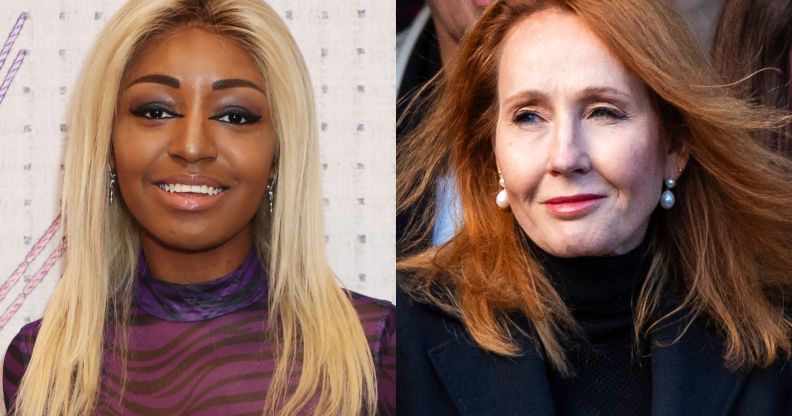
Yasmin Benoit said JK Rowling has ‘hijacked’ the conversation on asexuality. (Getty)
The co-creator of International Asexuality Day (IAD), Yasmin Benoit, has accused JK Rowling of “hijacking” the conversation around asexual awareness.
JK Rowling, best known for writing the Harry Potter novels, wrote a post on X/Twitter on Sunday (6 April) mocking the national awareness day, calling those marking it, people “who [want] complete strangers to know they don’t fancy a shag.”
The 59-year-old author followed up with several responses claiming that asexual people can’t know “whether they’re gay or straight,” and misinterpreting asexuality with aromantic people, asking: “How are you supposed to tell which [sexuality] you are if you don’t experience sexual attraction?”
Asexuality is an umbrella term housing a variety of identities characterised by a lack of or very little sexual attraction to others. These include terms such as Demisexual, queerplatonic, or “Grey-A”, according to The Trevor Project.
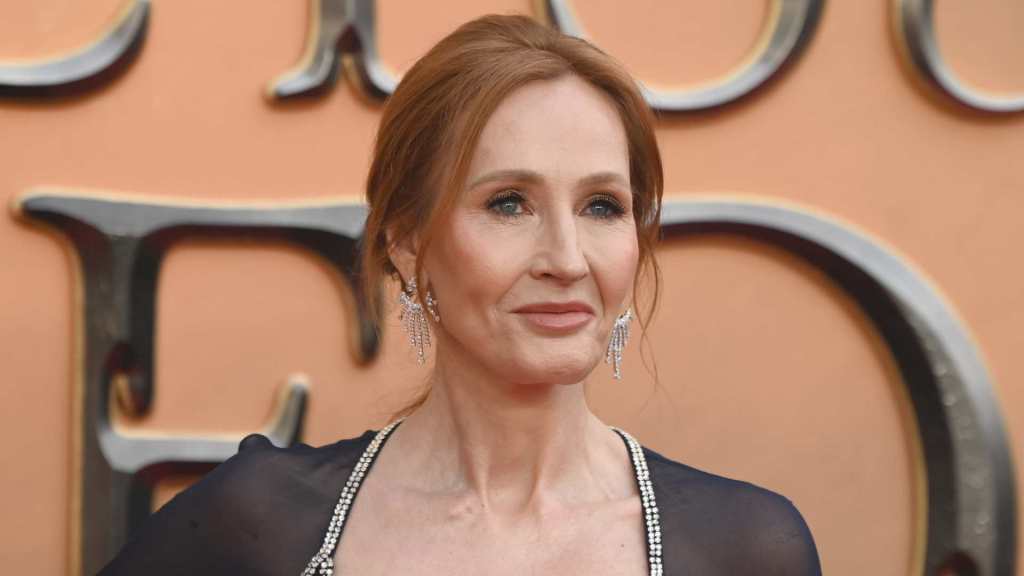
Yasmin Benoit, the asexual activist who co-created International Asexuality Day, condemned Rowling’s comments.
Speaking to PinkNews, Benoit detailed some of the ignorance around asexuality, and accused JK Rowling of “hijacking” the conversation.
“A lot of people’s introduction [to International Asexuality Day] has now been through JK Rowling hating on it,” she says. “It’s becoming a conversation in so many spaces I haven’t seen before, but for a negative reason. She kind of hijacked the occasion.”
Detailing some of the ignorant comments she has seen and received online from other internet users since Rowling’s post was shared, she says: “I’ve had people commenting saying that asexual people don’t exist, the asexual community doesn’t exist, but it’s like there’s literally a community of asexual people talking right now. Like, I don’t know what more I can tell you.
“A lot of them are saying that it’s a mental disorder, some have even said it’s a side effect of SSRIs or that it’s part of the ‘trans agenda. ‘”
She adds: “That’s why a lot of my work has been centred on legislative protections for the asexual community, because this is the consequence of awareness.”
1 in 3 Brits think asexuality can be ‘cured’
A study published in collaboration with Benoit by researchers at King’s College London (KCNL) unveiled shocking statistics about the British public’s views on asexuality.
According to the data, over 40 per cent of Brits think asexual people can’t identify as such if they have sex, while 26 per cent think asexual people haven’t met the right person. 11 per cent, shockingly, believe that asexual people don’t exist.
Benoit says that sweeping statements about the asexual community have contributed to the rise in acephobic rhetoric and misinformation, which she says is “very worrying.”

“I think it’s shown exactly why International Asexuality Day is needed and why asexual activism is needed. Education and awareness is so important. I think the influx of comments I’ve received really shows what acephobia looks like and that it is something that exists, because there’s a lot of people who don’t believe me when I talk about it.
“There’s thousands of people who couldn’t have cared less about asexuality before – some of them did, but not all of them – now being like, ‘oh so this is the next group we’re targeting’. Now they’re repeating the same comments uncritically.”
The wave of critical comments, Benoit says, should be a sign for the government to implement protections for asexual people based on KCL’s research. Currently, asexual people are not covered as a protected characteristic in the Equality Act.
She says that, despite the influx of comments against her, Benoit has also seen positivity spring from the controversy, with members of the community jumping in to defend her and other asexual people.
“It’s kind of gotten the conversation on people’s radars, but in a way where they were defending us, which I think is nice. I don’t know what the mainstream media is going to do, but at the very least there are parts of the internet that are like, ‘this isn’t correct’.”