
No, police aren’t strip searching trans people who enter public toilets
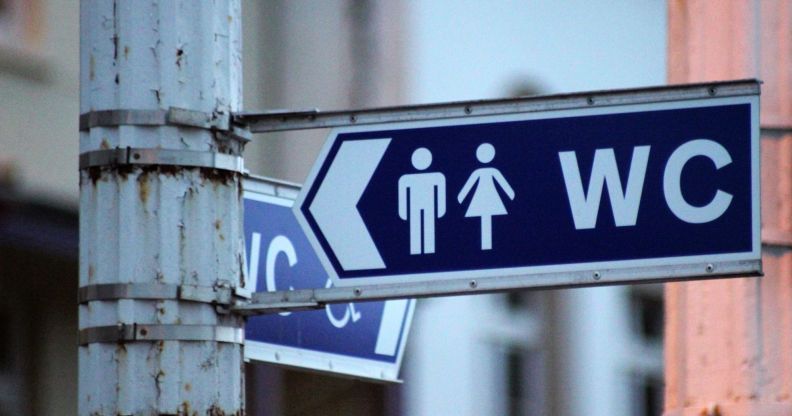
Police aren’t forcing trans people to leave bathrooms. (Getty)
Trans people are not being stopped from using the public toilets at a bus station in the UK, a pride organisation has reassured locals.
Unfounded rumours that West Yorkshire Police officials had begun forcing trans people out of public restrooms at the Leeds City bus and railway station in York Street reportedly began circulating across social media, according to local Pride organisations TransLeeds and TransPrideLeeds.
The groups shared a joint statement debunking the claims in a Sunday (11 May) Instagram post, writing to assure locals that “this is not true.”
It comes after a UK Supreme Court ruling, which dictated that the term “woman” refers to a “biological woman” in the 2010 Equality Act, caused immense concern over the rights of trans people to use public facilities such as toilets and changing rooms.
While TransLeeds and TransPrideLeeds are among the groups who condemned the ruling, it reassured readers that there is “no legislation” which permits police to prevent trans people from using the correct bathrooms.
“West Yorkshire Police have assured us multiple times since the Supreme Court ruling that there has been no change in their policy towards trans people,” a spokesperson writing on behalf of the groups said.
The groups also dispelled rumours that the British Transport Police had begun “strip searching” trans people who enter public toilets, clarifying that while it did update its strip search policy, the “bar for conducting a strip search is very high” and has “nothing to do with access to bathrooms.”
“We are in constant contact with [West Yorkshire Police] and we have asked a meeting with BTP,” they continued. “In the meantime, please don’t believe or spread these rumours as they cause needless worry and unecessary work in debunking them.”
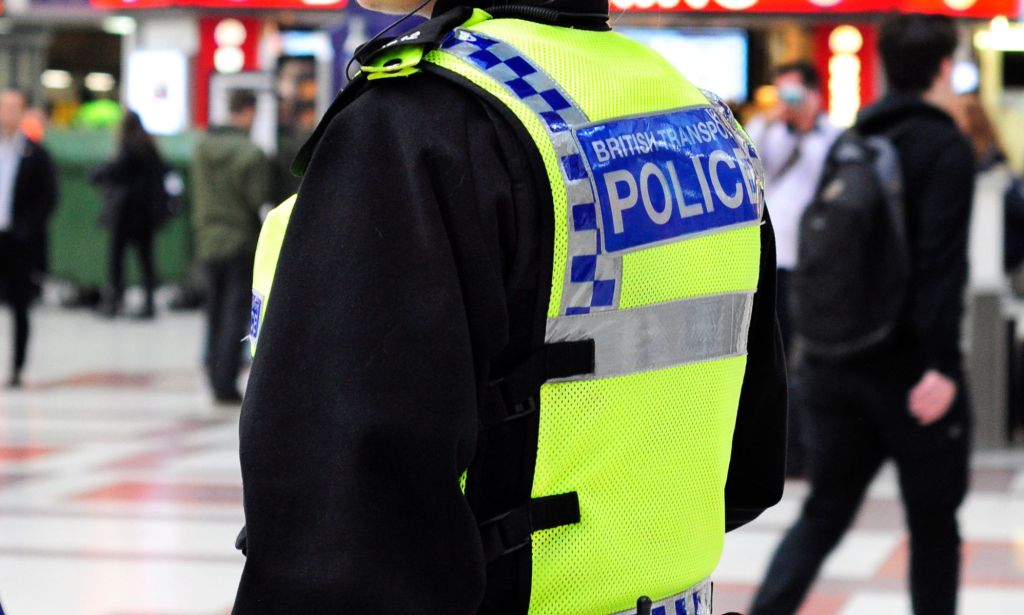
Confusion over the enforceability of the Supreme Court’s ruling has prompted right-wing and anti-trans actors to begin claiming that trans people are suddenly forbidden from using public toilets.
Furthermore, interim guidance published by the Equality and Human Rights Commission (EHRC), which calls for trans people to be banned from all gendered public facilities, has caused some people to falsely believe that the trans community is banned from toilets by law.
Neither the Supreme Court ruling nor the EHRC guidance are legally enforceable at the time of reporting. The Supreme Court ruling, which presiding judge Lord Patrick Hodge said should not be taken as a “triumph” over one group or more over another, is not a set of enforcable legal restrictions, but rather a legislative clarification over what the 2010 Equality Act means.
Additionally, the EHRC’s interim guidance is not enforceable legally speaking. It can, however, be used to justify the passing of legislation or policy which could see trans people banned from public restrooms. This, at the time of reporting, has not happened.
Writing for the Daily Mail on 20 April, reporter Katherine Lawton argued that trans people had “defied” the ruling by saying they had entered public female restrooms on social media. Others claimed the women were “trespassing” as a result.
None of this is true – a ruling on legal precedent is not law and cannot be enforced as such. It should instead be viewed as a legal analysis which permits the government to take certain decisions lawfully.