Least-safe social media platforms for LGBTQ+ people revealed in new report

The latest 2025 Social Media Safety Index has been published (Matt Cardy/Getty Images)
The top social media platforms are not doing enough to protect LGBTQ+ users, while the dismantlement of hate-speech policies actively endanger them, a new report has highlighted.
GLAAD’s annual Social Media Safety Index, which researches, monitors and reports on issues affecting queer social media users, with a particular focus on safety, privacy and expression, revealed that six well-known platforms – TikTok, YouTube, X/Twitter, Facebook, Instagram and Threads – were all failing LGBTQ+ users, with none scoring more than 56 out of a possible 100, across 14 indicators.
This year, GLAAD introduced a new scoring methodology which generated numeric ratings for each platform, so the results are not comparable with scores from previous years.
Video platform TikTok scored the highest, with 56. Meta’s Facebook and Instagram both scored 45 while Threads notched up 40. YouTube managed 41 and X was the worst of the six with 30.
“At a time when real-world violence and harassment against LGBTQ+ people is on the rise, social media companies are profiting from the flames of hate, instead of ensuring the basic safety of LGBTQ+ users,” said GLAAD president and chief executive Sarah Kate Ellis. “These low scores should terrify anyone who cares about creating safer, more-inclusive online spaces.”
The report noted that hate-speech policy rollbacks on Meta’s sites and YouTube “present grave threats to safety and are harmful to LGBTQ people on these platforms”.
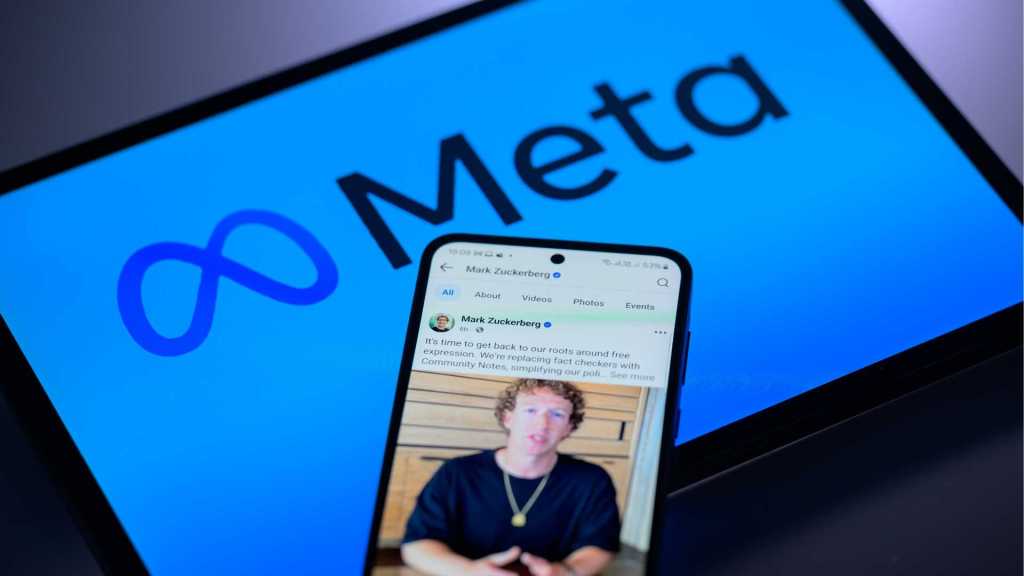
In January, Meta updated its hateful conduct policy – allowing users to call LGBTQ+ people mentally ill – and removed fact checkers. “We allow allegations of mental illness or abnormality when based on gender or sexual orientation, given political and religious discourse about transgenderism and homosexuality, and common, non-serious usage of words like ‘weird’,” the revised guidelines state.
The changes removed a prohibition on claiming that there is “no such thing” as a trans or gay person, and meant users can now call members of protected groups “freaks” and “abnormal”.
Meta chief executive Mark Zuckerberg said the changes “restored free expression” on the platforms.
The GLAAD study also found that sites were “largely failing to mitigate harmful anti-LGBTQ hate and disinformation that violates their own policies” while they “disproportionately suppress LGBTQ content, via removal, demonetisation and forms of shadow-banning”.
Commenting on Meta specifically, the reported noted that the updated policies “coincide and align with the increasing political attacks on LGBTQ people and their rights” and “contribute to a larger societal anti-LGBTQ animus, that leaves LGBTQ people vulnerable to increasing levels of hate and harassment online and off”.
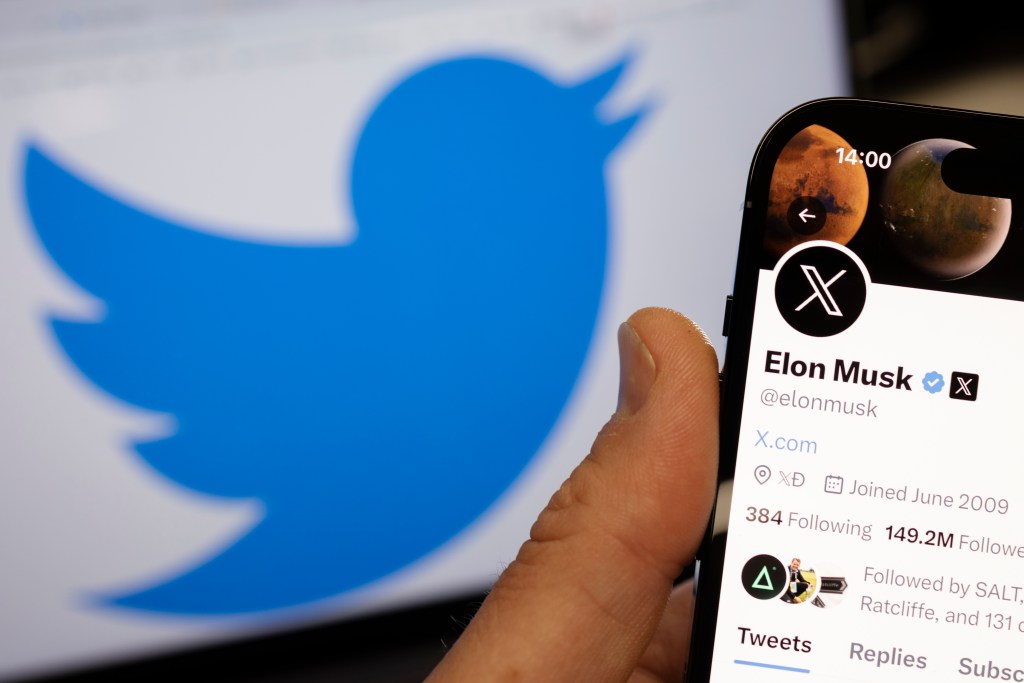
Meanwhile, X, owned by Tesla chief executive and the head of the Department of Government Efficiency, Elon Musk, was “one of only two platforms that prohibits both targeted misgendering and deadnaming” following a policy revision, but only provides this protection “where required by local laws”.
The research goes on to claim: “The policy does not provide sufficient protections for public figures”, and X “must always hear from the target to determine if a violation has occurred,” meaning only those individuals targeted can report suspected violations.
X, which has been criticised for not clamping down on hateful content, should reverse this change and
adopt a comprehensive policy that prohibits targeted misgendering and deadnaming, the report urged, and should cover public figures and not require self-reporting by the targeted individual.
Social media platforms should, the report continued, “strengthen and enforce (or restore) existing policies and mitigations that protect LGBTQ people and others from hate, harassment and misinformation, while reducing suppression of legitimate LGBTQ expression”, as well as improve moderation, working with independent researchers on transparency, and “promote and incentivise civil discourse”.
Share your thoughts! Let us know in the comments below, and remember to keep the conversation respectful.