
EHRC to extend gender consultation after ‘shambolic’ roll-out of interim guidance on single-sex spaces
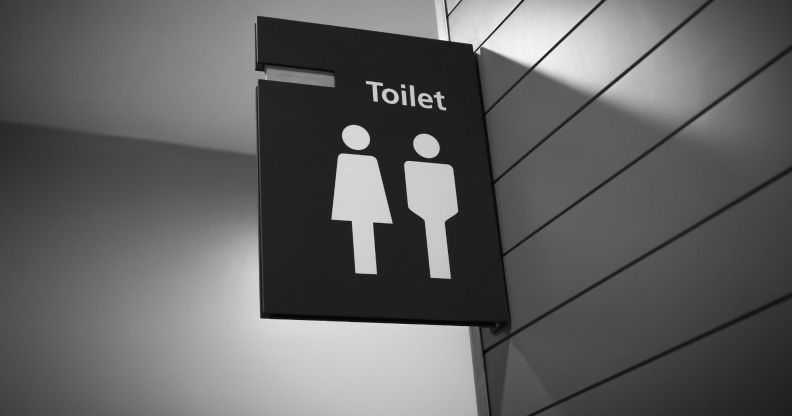
The UK equalities watchdog’s interim guidance on single-sex spaces has been heavily criticised. (Getty)
The UK’s equalities watchdog has extended the consultation period on updates to its Code of Practice – following the Supreme Court’s biological judgment – from two to six weeks.
The decision by the Equality and Human Rights Commission (EHRC) to extend the consultation to six weeks comes after pressure from the Women and Equalities Committee and trans groups, who criticised the limitations of the original two-week period.
Sharing details on Wednesday (14 May), the EHRC said the extension came “in light of the level of public interest, as well as representations from stakeholders in Parliament and civil society” and the consultation will now launch 19 May and conclude on 30 June.
Following the Supreme Court’s ruling last month that the definition of ‘sex’ in the 2010 Equality Act refers to ‘biology’ only, the EHRC issued interim guidance stating trans people should be banned from using single-sex facilities which match their gender and, in some cases, should also be barred from using those which match their ‘biological sex’.
This was later clarified to mean that when a trans woman or trans man present in an obviously feminine or masculine way “reasonable objection might be taken” to their presence in a single-sex facility, such as with masculine trans men – who are defined by the court ruling as ‘biologically female’ – using female facilities as per the guidance.
The interim guidance was condemned by trans people, legal experts and politicians including Green Party co-leader Carla Denyer as “rushed” and “ill-thought-out”.
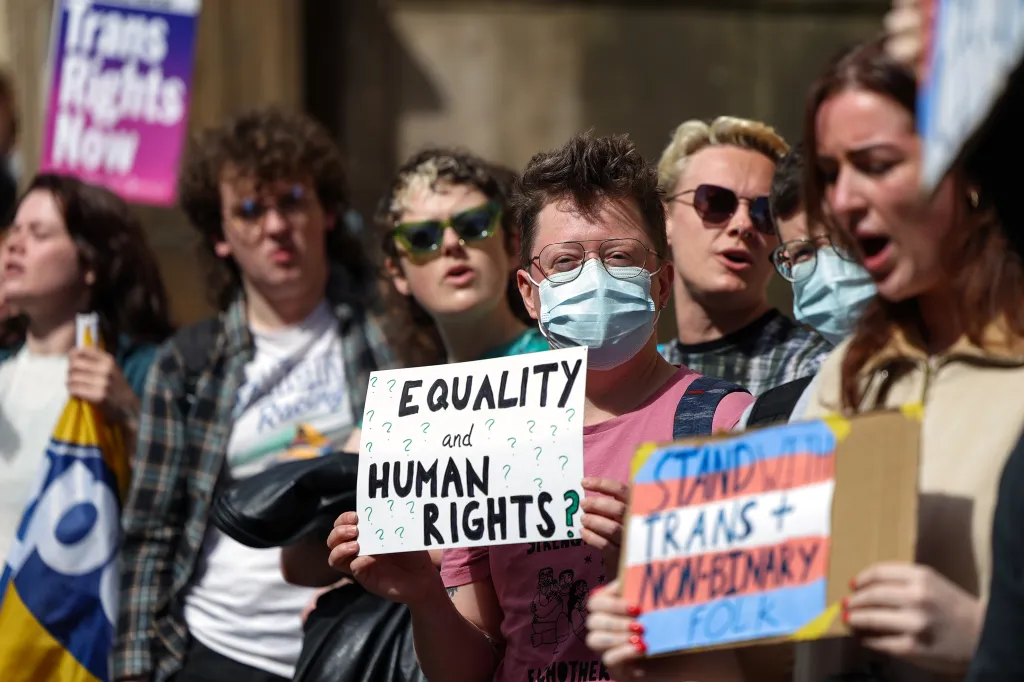
The EHRC noted at the time it aimed to provide an updated version of its Code of Practice – which will “support service providers, public bodies and associations to understand their duties under the Equality Act and put them into practice” – to the UK Government by the end of June, saying it would be reviewing sections of the Code to incorporate the Supreme Court’s judgment and ensure it is in-line with its guidance.
“We are currently reviewing sections of the draft Code of Practice which need updating. We will shortly undertake a public consultation to understand how the practical implications of this judgment may be best reflected in the updated guidance,” the EHRC said.
“The Supreme Court made the legal position clear, so we will not be seeking views on those legal aspects.”
In response, Sarah Owen, chair of the Women and Equalities Committee, wrote to EHRC Baroness Kishwer Falkner and questioned why the two-week period was chosen and how the equalities watchdog will “proactively seek input from any particular groups or stakeholders”.
“As a Committee, we feel that at least six weeks minimum would be more appropriate to allow all stakeholders, including individuals, charities and disability groups, businesses, health providers and local authorities to contribute,” Owen wrote.
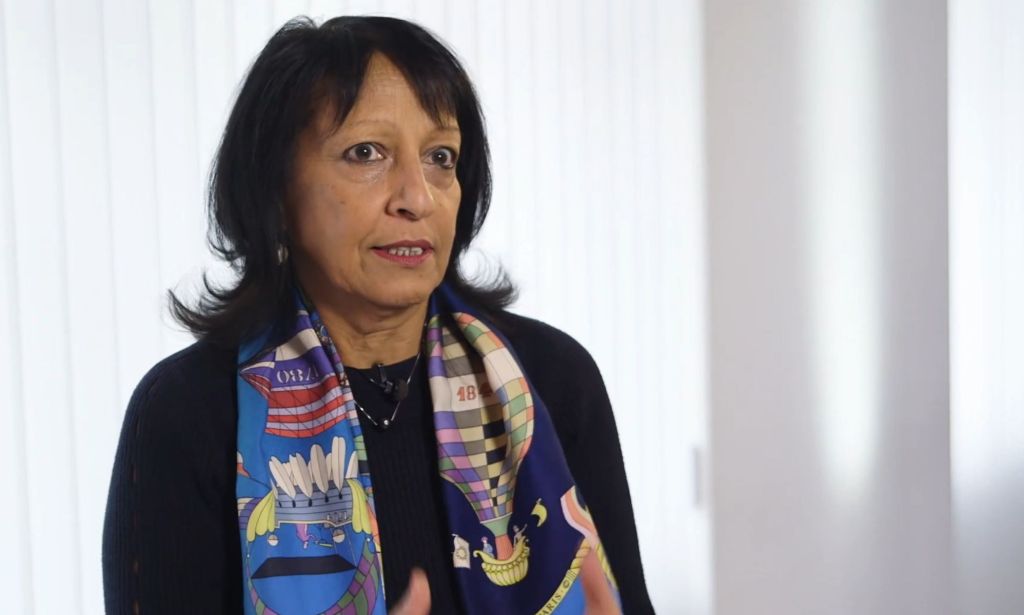
Similarly, trans organisation TransLucent – which has announced it is taking legal action against the EHRC – said: “The EHRC has a responsibility to hold a lengthy public consultation when they intend to update their statutory guidance on the implementation of the Equality Act.
“They have proposed a two-week consultation. We believe this is too short to adequately collect a broad range of views from stakeholders.
“The EHRC have a legal duty to enter this process with an open mind, and not with a settled view on how they will update their guidance.
“We believe that the EHRC does not have an open mind and they have come to a settled view on the consequences of this judgment because two senior EHRC personnel have made public statements expressing a seemingly settled view.”
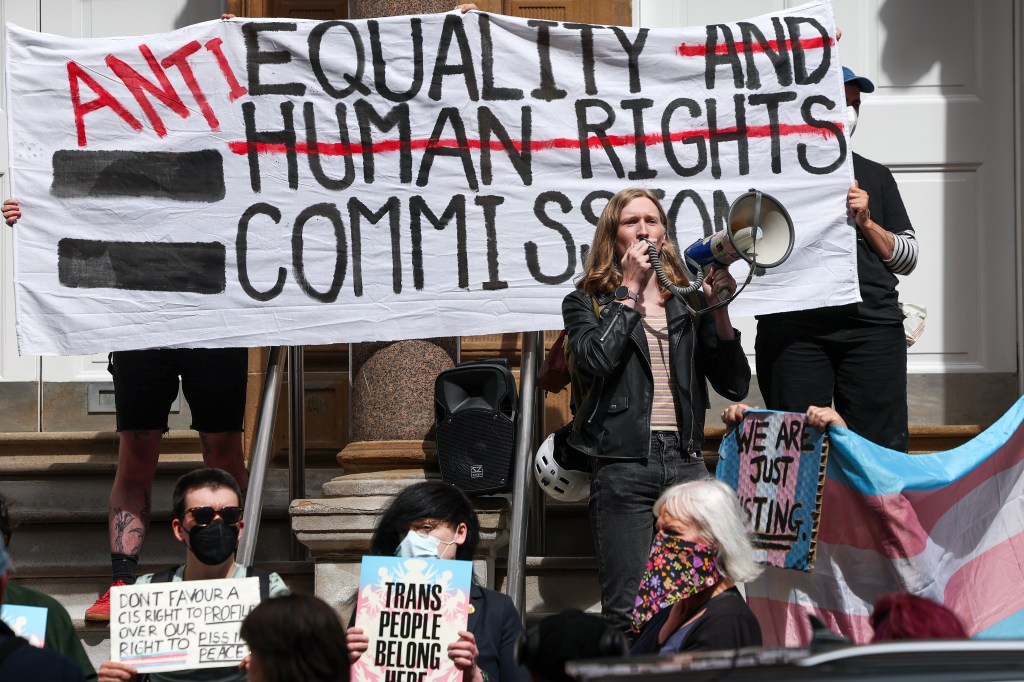
In a piece published by The Guardian on Wednesday (14 May), an anonymous staffer at the EHRC branded the roll-out of the interim guidance was “shambolic” and alleged key members of staff were not informed about its publication until after the fact.
“Most people, including some fairly senior ones, had no idea the interim guidance was coming until it was published late on the Friday evening.
“They woke up to texts from family members and friends saying: ‘What’s going on?’ Staff working on sex and gender issues hadn’t been told, and nor had the duty press staff who were meant to explain it to the media. It was completely shambolic.”
They added: “The pushback has been really strong. Some stakeholders are saying they can no longer work with us. Loads of staff say they’re looking for other jobs. The approach from the chair and senior leadership has been really secretive and paranoid.”
When issuing details about the extended consultation, the EHRC reiterated the Supreme Court “made the legal position on the definition of sex clear, so the EHRC is not seeking views on those legal aspects” but will seek views on whether updates to the Code “clearly articulate the practical implications of the judgment and enable those who will use the Code to understand, and comply with, the Equality Act 2010”.
“While the consultation is running, the EHRC will hold Q&A sessions with stakeholders representing affected protected characteristic groups,” the watchdog added.
“These meetings aim to answer questions on the EHRC’s understanding of the Supreme Court’s judgment, the consultation process, where views are being sought and what can and cannot be changed in the draft Code of Practice. Participants will still need to submit a consultation response.
“The EHRC will also meet with governments from across Britain and hold informative briefings for Parliamentarians.
PinkNews approached the EHRC for comment.