
LGBTQ+ student activism is more important than ever – so why more aren’t more people stepping up?

Why aren’t more University students speaking up for trans rights? (Getty)
It’s an odd feeling returning to your former university more than half a decade after your graduation.
Witnessing the subtle ways that the once familiar nylon carpet-laden halls have changed feels like staring at a flipped portrait of yourself – there’s a familiarity which makes the differences feel all the more peculiar, like a brick-built uncanny valley.
It’s no surprise, of course. Universities are in a constant state of flux to accommodate the revolving door of undergraduates who rotate through their lecture theatres every 4-5 years. I’m sure as I first wandered into Bournemouth University (BU), I likely passed by a returning stranger who had the same feeling of Déjà vu I would have so many years later.
As the sights and sounds of any university morph with the influence of its newcomers, so too does its culture. But, as members of the Students’ Union of Bournemouth University (SUBU) told me, the present shift is causing concern over the future of LGBTQ+ activism, particularly trans activism, among students.
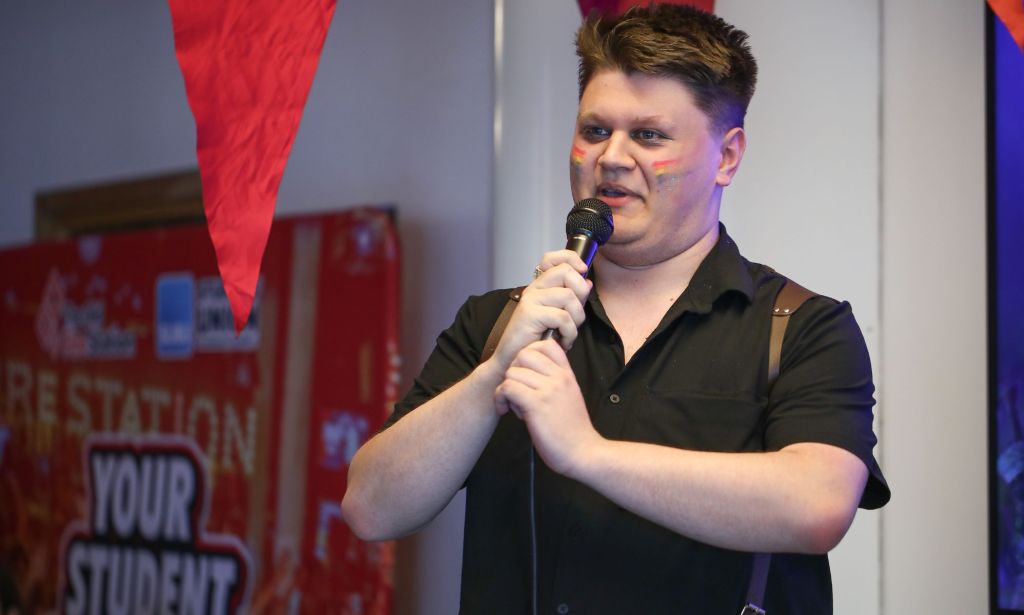
Speaking to PinkNews, SUBU LGBTQ+ Officer and student of Archaeology and Anthropology, Rhys Smith, says that there is currently a reluctance among students to stand up and take part in LGBTQ+ initiatives for a combination of reasons, which include a fear of speaking up.
“What I’ve noticed recently is that not a lot of people are speaking up in general. I’m not too sure why, potentially out of fear, potentially for other reasons,” he says.
SUBU’s LGBTQ+ Network is a student-led campaign which advocates for and is represented by LGBTQ+ students at BU. As the LGBTQ+ officer – a voluntary elected role – Rhys oversees the campaign’s operations, such as events, and listens to the needs of queer students.
Committees and campaigns are commonplace among student unions in UK Universities, acting as a mediation point between an institution’s faculty and its students.
The lack of engagement with the LGBTQ+ Network over the past year has made Rhys’ job as LGBTQ+ officer incredibly difficult, though this hasn’t stopped him from working to ensure LGBTQ+ students are heard.
“Obviously, we completely support whether students want to help with our activism or not, and we have opportunities for them to put forward any sort of ideas or suggest anything that needs changing,” he says. “But a lot of the time, we have to go out and find that information. It would make it a lot easier if people came to us and said what needs changing.”
‘It might be a lack of confidence, it might be the cost of living’
Rhys says things reached a breaking point after the annual elections for a new LGBTQ+ officer began earlier this year. He says that not a single student applied for the position.
A key problem SUBU is facing in dealing with the problem, Democracy and Campaigns Manager and staff member Kayleigh Heckford says, is that it’s difficult to pinpoint where the lack of engagement is coming from.
“It might be a lack of confidence, it might be the cost of living, maybe students are too busy having to work to [financially] survive, even more so now than before,” she says. “They could just be thinking, actually, I’m studying and then I’m going to work, I just don’t have the space to fight for my people right now.”
One of the prevailing theories is that the state of LGBTQ+ rights in the UK, particularly the continued attack on trans rights, has caused many students to avoid taking on public LGBTQ+ roles, either out of a fear of harassment or a reluctance to engage any further with traumatising issues.
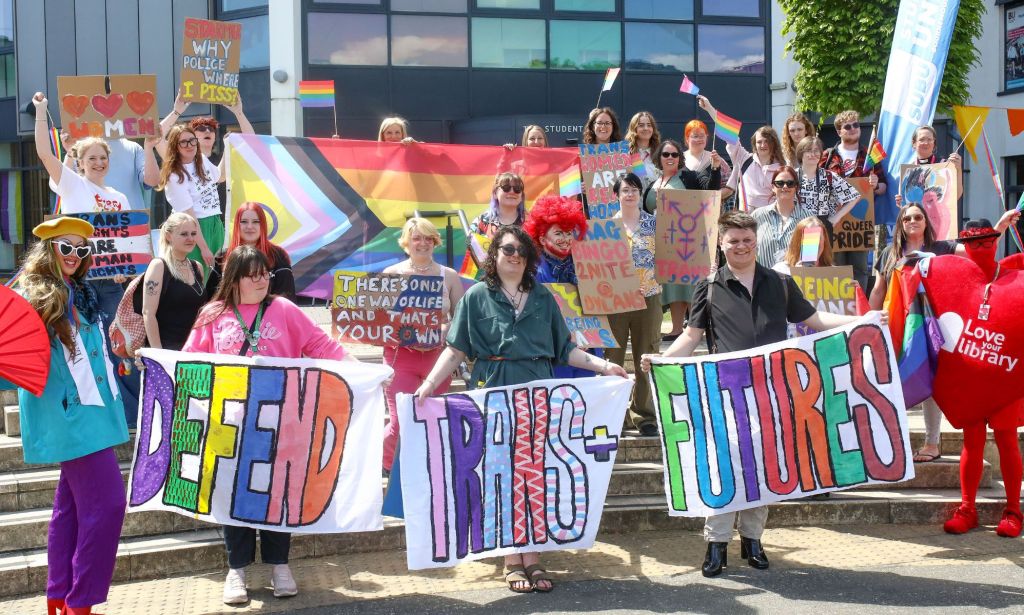
Another, suggested by Liberation and Campaigns Coordinator, Hayley Butler, is that students simply don’t have the emotional energy to deal with their own trauma, let alone an entire university’s worth.
“It’s one thing dealing with your own lived experience, but dealing with everyone else’s at the same time – trying to make sure that they’re okay – is not a great spot to be in.”
Rhys suggests that the issue could be generational, saying that the bulk of new undergraduates are young people who spent their teenage years at the height of the COVID-19 pandemic.
“A lot of people starting this year are the people who were 13, 14, 15 years old during the time of COVID,” he says. “That’s their formative years. They didn’t spend that time going out, they were locked at home, not really interacting with anyone. They were sort of not able to put themselves out there as much.”
Regardless, the issue threatens to create an increasingly solitary and fractured environment for LGBTQ+ students, which would only exacerbate the issue in a vicious cycle.
University safe spaces could be under threat, Student Union warns
For Rhys, the priority role of an LGBTQ+ officer is to create spaces where queer students can feel “part of the community,” which he says has been his “main focus.”
“That’s the best way we can help each other, by getting together and celebrating the positive things. We can draw people out and ask them things in those spaces as well. It just gives people the opportunity to, you know, see that this is their support group.
“That’s sort of the ethic that’s driven a lot of the events I’ve run. Nothing out there matters; in here, you can be who you want to be. That’s the driving force of all this.”
The demand for these spaces is plain to see for Kayleigh, which makes the scarcity of willing candidates for the campaigns all the more confusing.
“Every now and then, we get a student pop up asking, you know, why isn’t this happening? Why isn’t that happening? And this is why we have officers, but it’s just not happening; we’re constantly fighting to get people involved.”
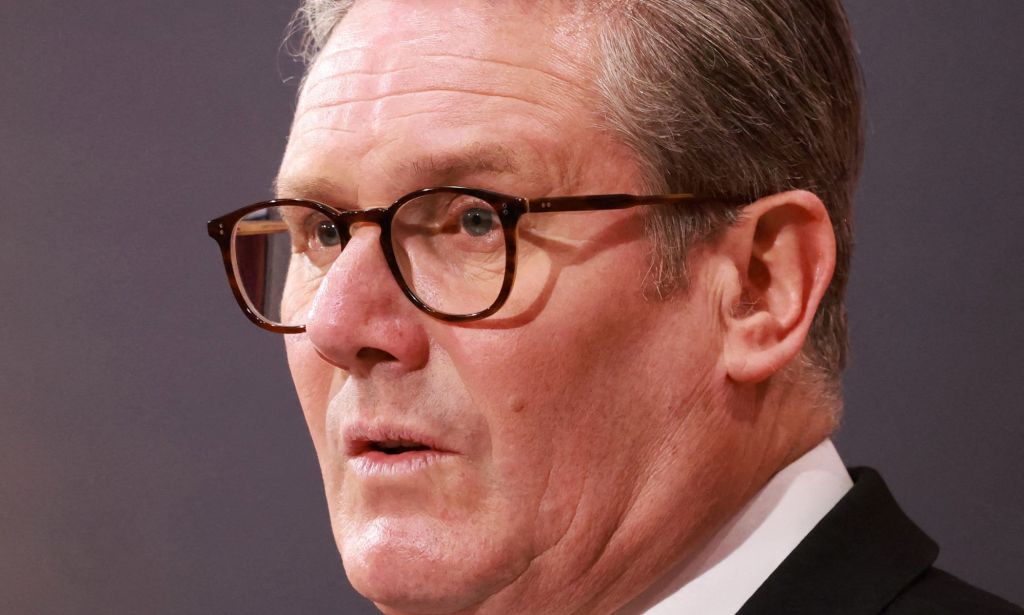
The flux of a university’s culture doesn’t happen in a vacuum; it is dictated in large part by the politics and societal shifts of the country. It’s little surprise that, as the UK government and prime minister Sir Keir Starmer continue their campaign of anti-trans political touting, young LGBTQ+ people would feel disheartened at the perceived futility of fighting for their rights.
Whether or not that’s the crux of the issue remains to be seen. As for Rhys, he says that, regardless of how far the UK manages to plummet into the rancid pit of transphobia, his commitment to equality will endure.
“I’ve had my fair share of struggles over the past two years [at university] and, while I’ve been a bit more stable this year, but sometimes it feels like I need to just put things on hold.
“I’ve since developed these coping strategies, but I think one of the main issues is that people who haven’t are scared to speak out, and that’s okay. It’s completely valid to focus on your mental health. It’s completely fine. It’s just very hard.
“But I and the other officers are still trying to make a difference. We are going to marches, we are holding events, and sometimes people get hung up on the visibility of it all, but it’s happening behind the scenes.
“We are trying our best to make stuff happen.”