
Review: BBC trans drama What It Feels Like for a Girl is visceral, essential viewing
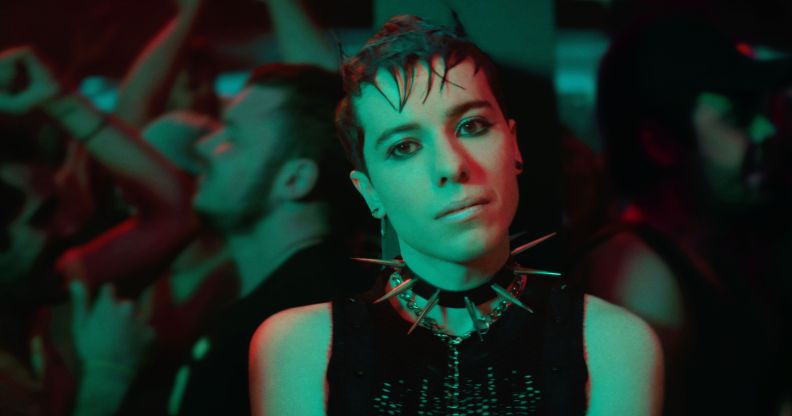
Ellis Howard as Byron in What It Feels Like for a Girl. (BBC)
For some, the welcoming in of the year 2000 signalled the end of the world. For others though, like Byron in the BBC’s new adaptation of Paris Lees’ 2021 memoir What It Feels Like for a Girl, it was only just the beginning.
We meet acting newcomer Ellis Howard as Byron, a queer 15-year-old trapped in the working class area of Hucknall, Nottinghamshire, on New Year’s Eve at the turn of the millennium. The world is alight with parties; Byron, currently identifying as a boy, is in bed playing Snake on his Nokia. This is the world in which What It Feels Like for a Girl is set: Sugababes’ “Overload” soundtracks scenes, rancid dick pics sent in chatrooms load a pixel at a time.
Yet Byron is woefully out of place. While he applies lip gloss, his brutish father (Michael Socha) laments having a “soft lad” for a child; when, as a kid, Byron says that he’s a girl, his father ferociously berates him. His mother is an absent presence; his nan, while his safest space, is classically ignorant. “One of ‘em always looks like a girl so why don’t they marry a girl?” she wonders while she and Byron watch a gay couple on TV. Vicious bullies leave him bloodied and bruised for being a “fairy” and a “poof”.
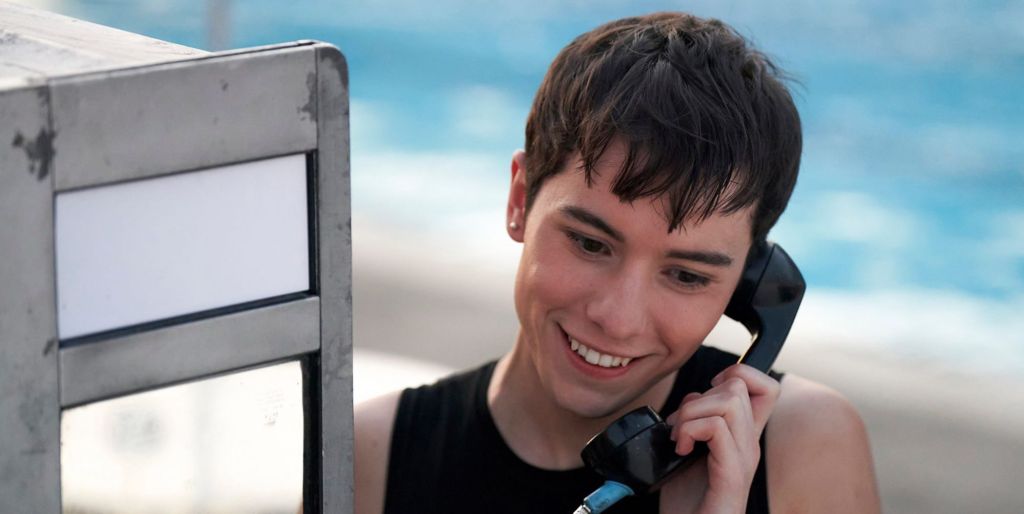
It’s a chance encounter in a grotty public toilet that sets Byron on a course that will change his life. While he starts cottaging with much older men for £7.80 – “He offered me a fiver, but I talked him up!” Byron gleefully tells a friend – he then meets Max, a 20-year-old love interest. While Byron is entangled in all the heady feelings of first love, Max becomes his pimp. When Max ghosts him seemingly without reason, Byron heads into the bright city lights to find him.
It’s here he meets the “Fallen Divas”, a clan of trans and queer folk who have nihilism coursing through their veins. Their life is a haze of drugs, drama and sex; Byron fits right in, instantly becoming family. They are fierce and fiery: “What are you looking at, b**ch?” yells Sasha (Hannah Jones) at an OAP who casts her a dirty look. Yet falling in with the group of glorious misfits means falling in with Liam, another, more menacing pimp, who coerces Byron into a criminal undertaking which will change his path once again.
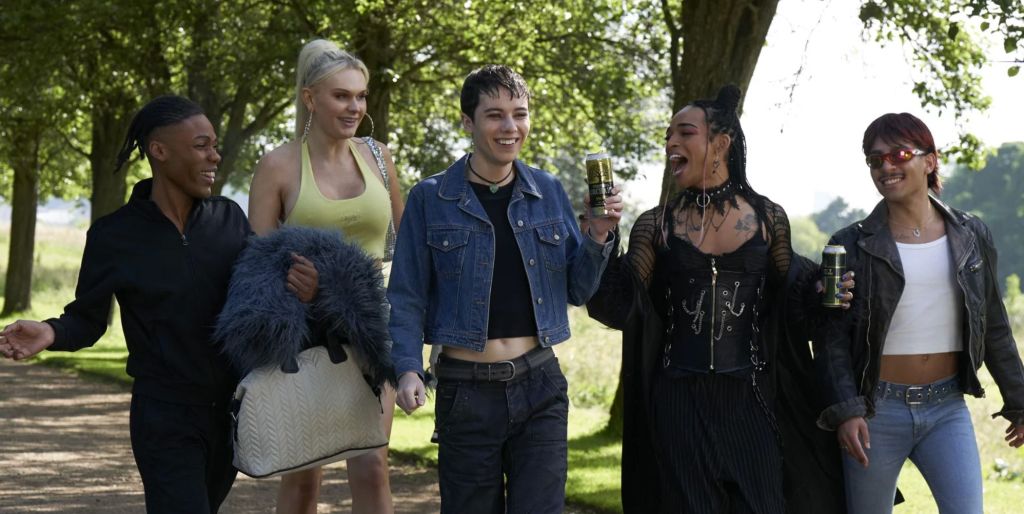
As the eight-part series continues, Byron slowly becomes aware of and embraces their transgender identity. Yet What It Feels Like for a Girl isn’t didactic; it’s more than a story about the complexity of understanding your transness, and coming out as such. It’s for anyone who has felt bigger than the place they were born into, anyone who has longed for somewhere to belong and had their life altered by the people they’ve met along the way. Its navigation of abuse, exploitation, and fractured family dynamics make it a story that crosses a deepening chasm between the LGBTQ+ community and the wider world.
What It Feels Like for a Girl is far from a neat, bow-tied coming-of-age tale, the ilk of which seems to be the cookie-cutter format for most LGBTQ+ stories. The BBC has bucked the trend in recent months – last year’s Mr Loverman and Lost Boys and Fairies were equally groundbreaking watches – but this drama feels exceptional still. Its trans characters are messy, undiluted, often morally questionable, like most other characters are afforded the chance to be.

The brilliant source material from Paris Lees’ memoir, written in a Midlands dialect, makes it an easy one to adapt. Then there’s Ellis Howard, who is fearless in his portrayal of young Byron. The character is volatile, both arrogant and searingly funny with their caustic tongue: when a bully says he’ll kill Byron if he ever tries it on with him, the teen quips, “If I ever feel like I want to try it on with you, I’ll f***ing kill myself”. Even through all the exploitative and risky situations Byron finds themself in, we see someone being built up in real-time, rather than coming apart at the seams.
Make no mistake, What It Feels Like for a Girl is raw and frequently uncomfortable viewing. In one scene, while opening up to a client about finding what he thinks is love, the client begins to masturbate to Byron’s childlike naivety before throttling him half to death. Yet the unease is what makes What It Feels Like for a Girl such a visceral, essential watch. We need more TV like it.
All episodes of What It Feels Like for a Girl are streaming now on BBC iPlayer. The first two episodes will air on BBC Three tonight (3 June).
Share your thoughts! Let us know in the comments below, and remember to keep the conversation respectful.