
BBC dismisses complaints after newsreader changes ‘pregnant people’ to ‘women’

BBC News presenter Martine Croxall changed trans-inclusive language live on air. (BBC News)
The BBC has thrown its support behind newsreader Martine Croxall after she changed trans-inclusive language written on a teleprompter to ‘women’ live on air.
Croxall’s change was clipped and shared on social media, subsequently going viral and garnering polarised responses from trans allies and members of the anti-trans gender critical movement.
In the clip which aired live on BBC News, Croxall – who has been with BBC News since 2001 – is seen reading from the teleprompter about new research regarding the number of heat-related deaths expected during a heatwave sweeping Britain.
The autocue prompted Croxall to warn “pregnant people” – a gender-inclusive term that reflects the fact some non-binary people and trans men can get pregnant – to take care in the hot weather, but she replaced the phrase with “women” while raising her eyebrows pointedly.
“Malcolm Mistry, who was involved in the research, said the aged, pregnant people – women – and those with pre-existing health conditions need to take precautions,” said Croxall.
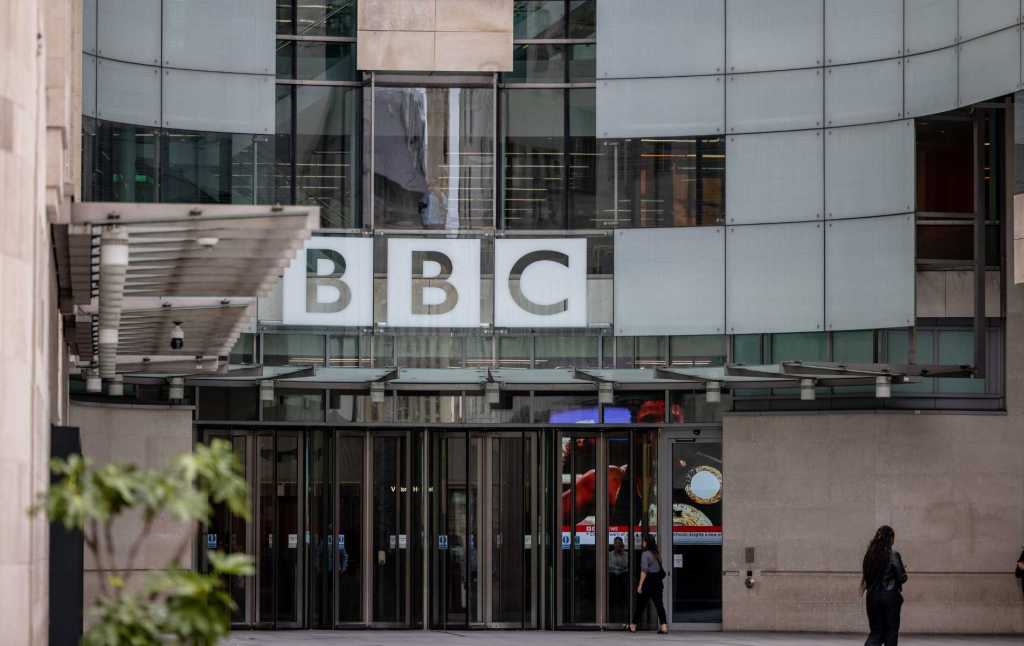
On its own website, the broadcaster states impartiality is “key to a relationship of trust with audiences” and it means “[audiences] know the BBC is not being influenced by any personal or other agenda in what it chooses to broadcast or publish or in how it covers stories and that it seeks to include a wide range of views on any given topic”.
However, the BBC’s response to one complaint regarding Croxall’s actions – which has been shared on social media – suggests shows it is backing the presenter because it believes her actions were “duly accurate and impartial in line”.
The email reads: “Thank you for contacting us about BBC News on 21 June.
“During a sequence about heatwaves, Martine Croxall was reading a script that directly quoted a report from The London School of Hygiene and Tropical Medicine. As the language wasn’t clearly attributed, she used her editorial judgement to make a live adjustment.
“We’re happy that this was duly accurate and impartial in line with the BBC’s Editorial guidelines.
“We appreciate you may continue to feel differently but we’re grateful for your feedback, which has been shared with senior members of the BBC News team.
“If you’d like to understand how your complaint is handled at the BBC, you might find it helpful to watch this short film https://www.bbc.co.uk/contact/complaints. It explains the BBC’s process for responding to complaints, what to do if you aren’t happy with your response and how we share the feedback we receive.”
Croxall herself acknowledged the incident in a series of social media posts after it originally aired.
On her own X account, Croxall shared a screenshot from the video at the moment she widened her eyes, writing: “A huge thank you to everyone who has chosen to follow me today for whatever reason. It’s been quite a ride…”
“If I wasn’t following you already, I would be now,” wrote one X user, to which the newsreader replied with a smiling face emoji.
“Are you a man-hating feminist, Martine?” another asked, prompting Croxall to reply: “What a strange question.”
Someone else said: “I’ll be really disappointed if this is AI”, to which Croxall confirmed “it isn’t”.
Croxall actions were even praised by Harry Potter author JK Rowling who is well known for her views on trans rights.
“I have a new favourite BBC presenter,” Rowling commented.
Rowling herself has previously criticised trans-inclusive language such as in March 2024 using Mother’s Day to mock gender-neutral language and in 2020 sharing an article which discussed “people who menstruate” and again taking issue with the words used.
PinkNews approached the BBC for comment and the broadcaster directed us to a statement issued on the BBC website on 1 July.
“During a sequence about heatwaves, Martine Croxall was reading a script that directly quoted a report from The London School of Hygiene and Tropical Medicine. As the language wasn’t clearly attributed, she used her editorial judgement to make a live adjustment,” the response reads.
“We’re happy that this was duly accurate and impartial in line with the BBC’s Editorial guidelines.”