LGBTQ+ double lower-leg amputee opens up about what Disability Pride Month means to him
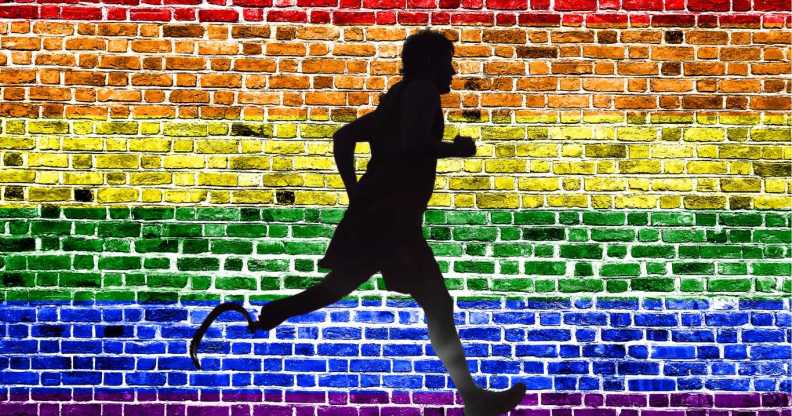
Disability Pride Month is celebrated throughout the month of July. (Getty/RubberBall Productions)
Daniele Lul, the co-founder of a charity for LGBTQ+ disabled people, has shared his hope of a more-inclusive future, to mark Disability Pride month.
The celebration takes place every July, to highlight the resilience, creativity and achievements of disabled people.
Daniele, who is a double lower-leg amputee and walks on prosthetic legs, founded ParaPride to advocate for the visibility, education and awareness of LGBTQ+ disabled people and told PinkNews that there is still a long way to go before they can feel truly visible.
Disability Pride Month enables him to “reflect” and “appreciate” his journey as an intersectional disabled, queer person of colour.
“It makes me value my life and achievements, despite having to deal with ableist behaviours and discriminations on a daily basis. Ultimately, it is my lived experiences as a disabled LGBTQ+ person that prompted me to found ParaPride,” he said.
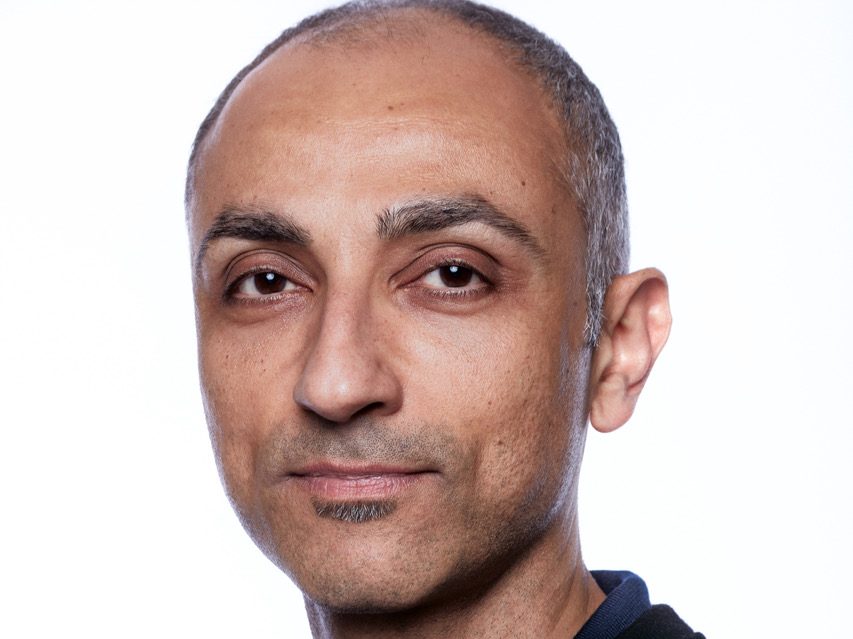
The month is “more important than ever” during this “era of struggle, uncertainty [and] fear… in the especially since the proposed cuts [to] disability benefits”, he added.
“Disabled people are often scapegoated in times of economic hardship and blamed for the state of the welfare system, even though we know it’s the systemic barriers that prevent disabled people from thriving.”
He urged people to watch Fighters, a documentary that follows Matt Edwards, a lower-limb amputee boxer determined to earn his amateur licence.
‘Challenging the negative attitudes towards disability is very difficult’
On common misconceptions about disabled people, he highlighted “the narrative that only portrays us as a charity case or the vulnerable people in need of care and incapable of having a sexuality”.
Daniele went on to say: “There is so much more to our disability: we are talented, bold, creative, resilient and empowered. We want to embrace our disability identities positively but challenging the negative attitudes towards disability is very difficult.”
More still needed to be done to make LGBTQ+ spaces inclusive for disabled members, beyond physical access such as ramps and lifts, he insisted. Behavioural barriers, such as ableist attitudes, also prevent disabled people from feeling included.
“Talking more about the different aspects of disability inclusion, and relying on the support of non-disabled friends, colleagues and allies, to help us share these learnings, can contribute to preventing further barriers and promoting more inclusion,” Lul said.
Share your thoughts! Let us know in the comments below, and remember to keep the conversation respectful.