
This is why the lowered voting age could be great news for LGBTQ+ rights in the UK

The UK lowering the voting age could spell good things for LGBTQ+ rights. (Getty)
The UK government’s historic decision to lower the voting age to 16 could mean good things for the future of LGBTQ+ rights, due to the largely pro-LGBTQ+ views of that age group.
On Thursday (17 July), it was announced that 16-17 year olds will, for the first time, be able to vote in the next general election under a set of measures proposed in a new Elections Bill.
Those within the age group were already able to vote in local council elections in Scotland and Wales, as well as elections to the Senedd and Scottish Parliament.
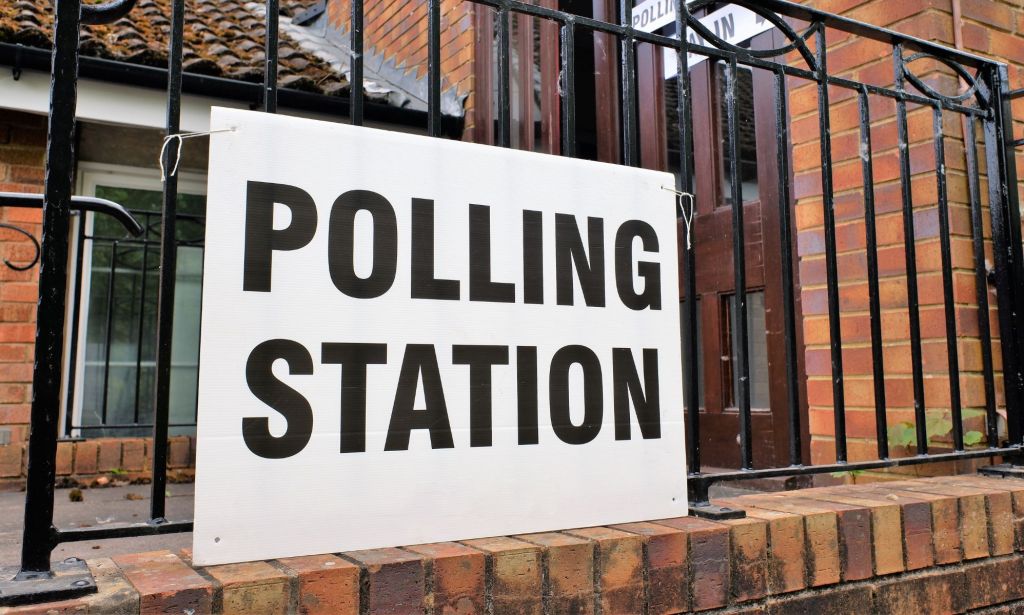
However, the change would allow over 1.6 million additional young people to have their voices heard in the next general election, which can be held no later than August 2029.
Other changes in the Elections Bill include expanding forms of Voter ID, allowing automatic voter registration, while also tightening rules on donations to political parties.
Democracy minister, Rushanara Ali, said the change comes as part of Labour’s commitment towards “modernising our democracy.”
“We are taking a generational step forward in restoring public trust and boosting engagement in UK democracy, supporting our Plan for Change,” Ali continued.
16-17 year olds voting could have a positive effect on LGBTQ+ rights in the UK
While the full influence this change will have on voting results will only be seen when the next general election rolls around, an array of statistics and research suggests that allowing young people to vote could have a significant impact on LGBTQ+ rights in the UK.
Several studies from the UK and beyond show that Generation Z – those born between 1997 and 2012 who, at the time of writing, are aged between 13 to 28 years old – are far more likely to identify as LGBTQ+ than any other generation.
Census data from 2023 found that respondents aged 16-24 were over twice as likely to identify as LGBTQ+ than any other age group. The data did not consider gender identity.
Another study published by Business Insider and YouGov in the same year found that five per cent of Gen Z identify as LGBTQ+, compared to 1 per cent of Gen X (44 – 59 years old) and Millenials (29 – 44 years old) respectively.
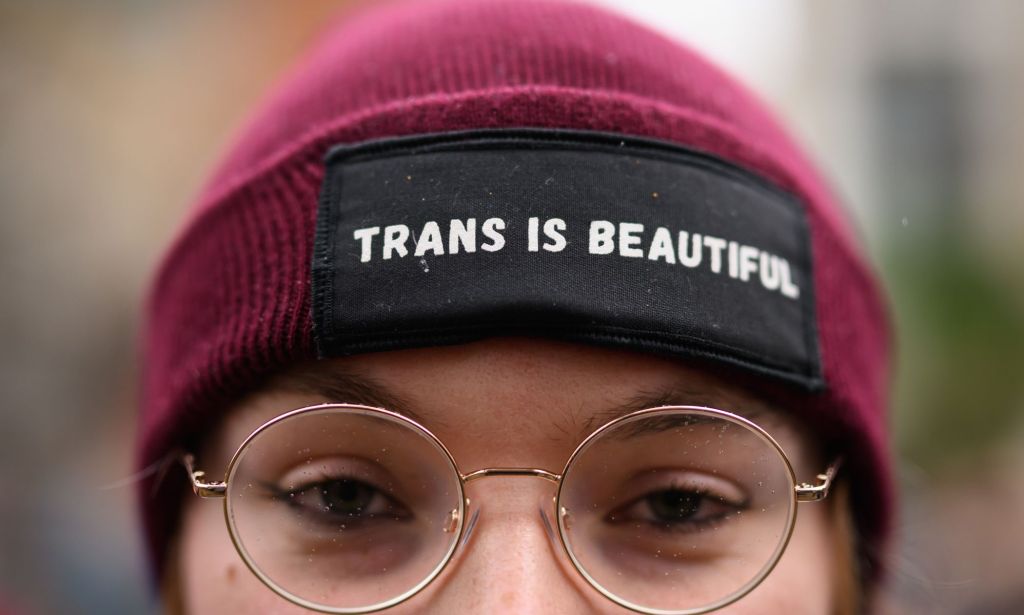
Globally, an average of 17 per cent of Gen Z identify as LGBTQ+ according to a 2024 Ipsos survey, compared to 11 per cent of Millenials and 6 per cent of Gen Xers.
Ipsos’ Pride survey also revealed eye-opening statistics about Gen Z’s views on LGBTQ+ rights. It found that, in the UK, 66 per cent agreed that same-sex couples have a right to marry, while 58 per cent of Gen Z women think companies, brands, and institutions should actively promote LGBTQ+ rights.
Statistics published by Kantar in 2020 echo the trend of pro-LGBTQ+ views among Gen Z voters. A survey of 2,363 respondents found that 93 per cent of 16-24 year olds were comfortable with LGBTQ+ people and would accept them.
In a June 2024 poll of 16-24 year olds, YouGov found that 50 per cent have attended a Pride event at some point, with 28 per cent saying they have attended more than one Pride event.
As for trans rights, a 2021 Just Like Us survey found that a whopping 84 per cent of young people in the UK would support a friend if they came out as trans, while more than 57 per cent say they already have a friend who is trans.