
LGBTQ+ disabled community not consulted before ‘devastating’ government cuts
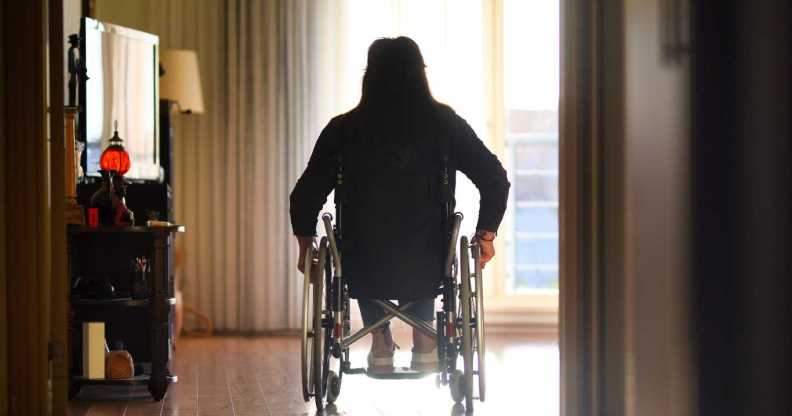
The co-chair of Regard has called out the Government over its failure to consult LGBTQ+ disabled community. (Getty Images)
“I’ve never felt more invisible,” the co-chairperson of Regard, a national organisation for LGBTQ+ people who self-identify as disabled, has told PinkNews.
Three weeks into Disability Pride month, Dr Ju Gosling says there’s little to celebrate in the wake of recent government cuts which “will hit LGBTQ+ disabled people much harder” than their straight cisgender peers.
The Universal Credit Bill passed through the Commons recently and is set for its second reading in the House of Lords on 22 July. It aims to introduce stricter eligibility criteria for Personal Independence Payment (PIP) claims from November 2026 and reduce the Limited Capability for Work and Work-Related Activity “health top-up” from £96 to £50 per week from next April. Existing claimants won’t see any changes.
“Disability Pride month could be a time to celebrate, if we weren’t LGBTQ+ disabled people who feel completely invisible, watching our rights being flushed away,” Gosling says.
‘Millions will be pushed into deeper poverty’
According to Disability Rights UK, the government aims to cut disability benefits by £5 billion ($6.7 billion). But other analysis claims the figure is closer to £7 billion ($9.4 billion).
A spokesperson for Disability Rights UK said: “We are shocked and appalled at the government’s intended cuts to benefits disabled people rely on. Narrowing PIP eligibility and slashing the health component of Universal Credit will push millions into deeper poverty.”
Citizens Advice also warned that failure to consult properly on these cuts would have “a devastating impact on disabled people and their children, sending hundreds of thousands into poverty.”
However, a Department for Work and Pensions spokesperson told PinkNews: “We are not bringing forward any changes to the PIP eligibility criteria but will be conducting a ministerial review of the PIP assessment process – which puts disabled people at its heart – to make sure it is fit and fair for the future. We will only make changes to the benefit once this is complete.
“Our reforms to fix the broken system we inherited will genuinely support those who can work into employment, ensure there is always a safety net for the most vulnerable and lift 50,000 children out of poverty.”
‘We’re forced to look to the state’
But Gosling points out how LGBTQ+ disabled people will be affected in a different way.
“We’re much more dependent on social care,” she says. “Nearly three-quarters of LGBTQ+ people don’t have children, so we have no one to rely on when we need help. We also tend to be less-well-off than other disabled people. We’re forced to look to the state.”
One in three LGBTQ+ people are disabled, compared with one in four of the general population, she goes on to say. “Despite that, there has been zero consultation with our community. If there had been, they would have come to Regard.”
All requests to engage with representatives from the LGBTQ+ disabled community have been ignored, Gosling claims.
“Nobody was interested that LGBTQ+ people will suffer more because of these cuts. We’re proud to be disabled and LGBTQ+ disabled people but we face very serious issues.”
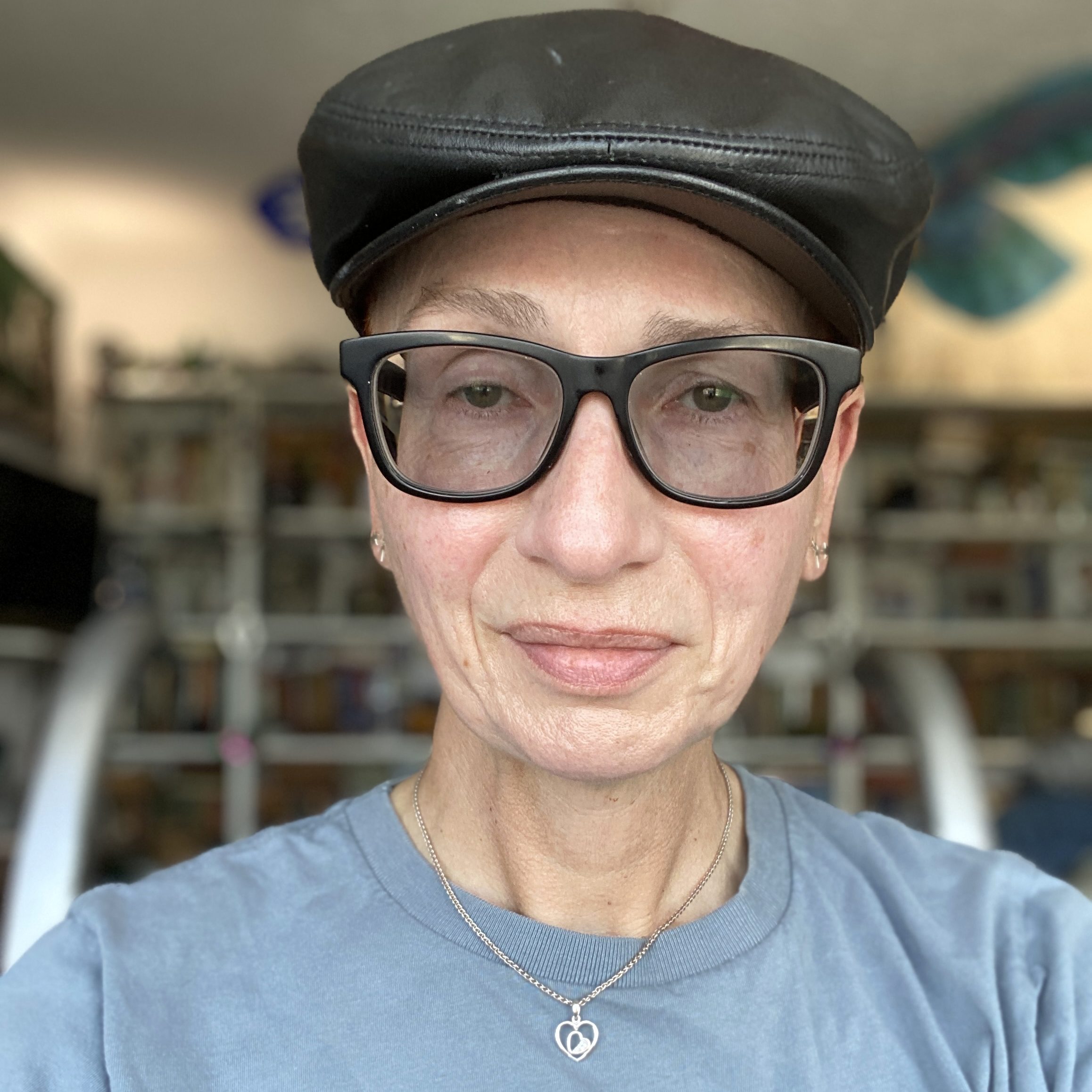
Gosling, who has been permanently shielding since the COVID-19 pandemic because of genetic immune conditions, also raises concern about the conversation around assisted suicide.
Despite the suicide rate among LGBTQ+ people being double that of heterosexuals, the government has failed to acknowledge this. Last month, MPs voted in favour of The Terminally Ill Adults (End of Life) Bill, which, if it passes into law as expected, will allow people with less than six months to live to request medical assistance to die. It is now under review by the Lords.
“What we would have liked before they voted on assisted dying was for them to hear about LGBTQ+ people and the impact it could have on us,” Gosling says. “But it’s difficult to find volunteers to oppose such bills. All disabled people have limited energy and resources.”
To oppose the cuts, visit: Disability Rights UK: Take Action.
Share your thoughts! Let us know in the comments below, and remember to keep the conversation respectful.