
Wes Streeting orders review into LGBTQ+ health inequality in the NHS

Health secretary Wes Streeting has been criticised for extending a ban on puberty blockers for trans youth. (Getty)
Health secretary Wes Streeting has commissioned a review into LGBTQ+ health inequalities in the NHS.
The six-month inquiry will analyse the impact of any inequalities and provide recommendations on how to improve access to healthcare and patient safety.
It looks set to examine research and data from a range of clinical settings, including mental health, sexual and reproductive health, HIV prevention, perinatal care, primary care, cancer screening, and smoking, alcohol and drug prevention services.
The inquiry would help to address the “challenges” that many LGBTQ+ people face in accessing quality healthcare, said Streeting, who is gay.
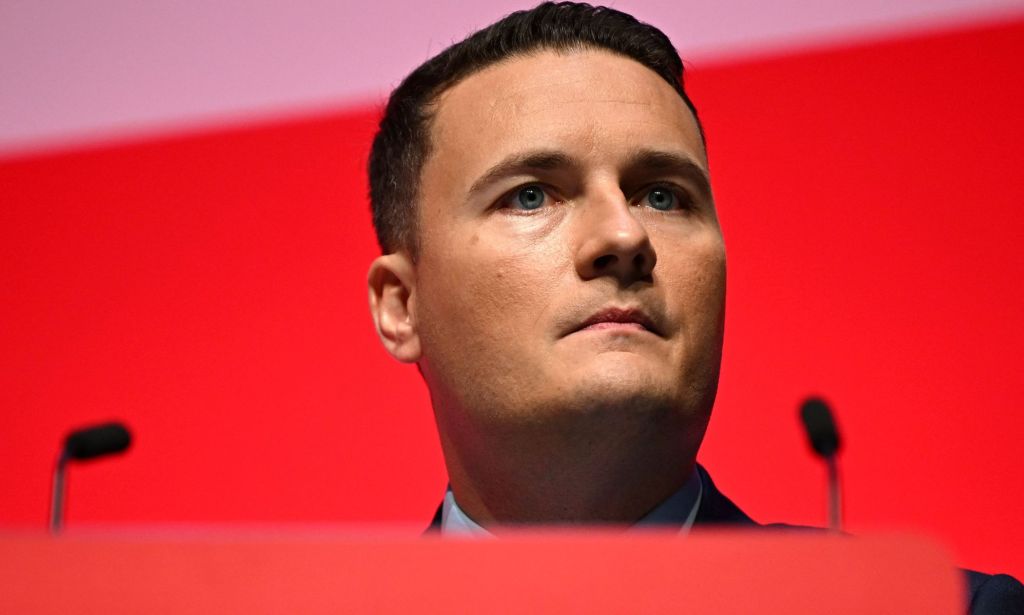
“Every patient deserves dignity, respect and excellent care, regardless of who they are or who they love,” he added. “Through our plan for change, we’re not just rebuilding our NHS, we’re building it back better for everyone.”
Last year, Streeting took the decision to ban puberty blockers for trans under-18s, a move which some research has shown to have caused “extensive” harm to young people in the UK.
Streeting, who has said that he no longer believes trans women are women, or that trans men are men, announced in December that a temporary ban on prescriptions for the medication would be made permanent because of an “unacceptable safety risk”.
The temporary ban had been enacted by the Conservative government, in the wake of the publication of the Cass Report. It was extended in August, following Labour’s landslide victory in the general election.
Puberty blockers ban causing ‘overwhelming levels of distress’
Research published in June suggested that the ban has caused “overwhelming levels of distress” for “previously happy” transgender youngsters who were now being denied treatment. One parent told researcher Dr Natacha Kennedy that her daughter had resorted to self-harm and had said that life wasn’t worth living.
“With no warning it was taken away,” the parent said. “The shock was awful for her and she could not cope. My child feels despair as puberty… and body changes seem so out of control and irreversible.”
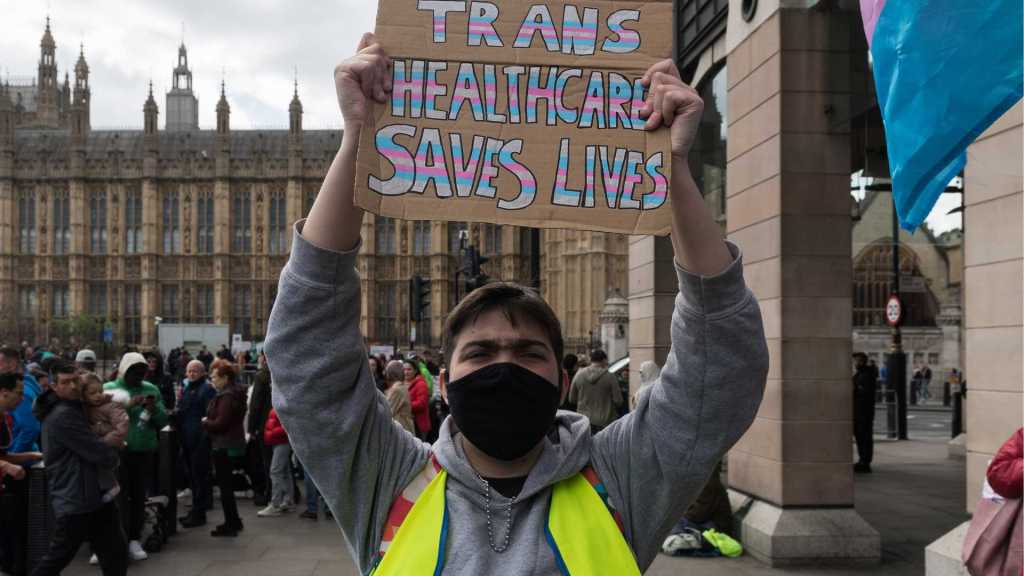
There is no hard-and-fast evidence that puberty blockers are harmful to people under the age of 18. The medication is typically prescribed to teenagers who are on the pathway to adult care. Research has shown that not only are puberty blockers “safe, effective and reversible,” but almost no youngster regrets taking them.
When one member of the public criticised Streeting’s policies, which they claimed were “ruining the lives of trans people,” he told them to “get a grip”.
NHS England has not said whether the inquiry would look into the effects of the ban,but Dr Michael Brady, who is set to lead the inquiry, said it was “unacceptable” that LGBTQ+ health inequality, which had led to “worse health outcomes” for queer patients, still existed.
“This is the first review to look in depth at this issue and make recommendations which will help the NHS better meet the health needs of LGBT+ people,” he continued. “We will use an evidence-based approach to examine where and why these inequalities persist and to recommend how we should focus our energies on addressing them.”
Share your thoughts! Let us know in the comments below, and remember to keep the conversation respectful.