
‘Rushed out’ EHRC trans toilet guidance could be sent to UK government as soon as August
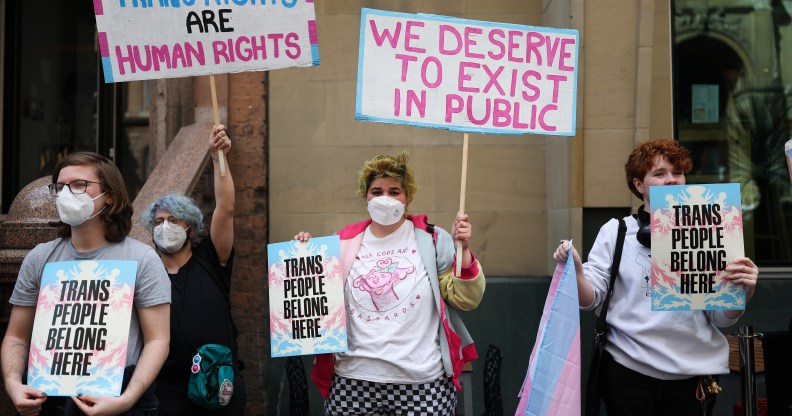
Trans rights demonstrators gather outside the Equalities and Human Rights Commission on May 02, 2025 in Glasgow, Scotland to protest ‘trans segregation’ (Getty)
The UK’s equalities watchdog has said it hopes to finalise controversial changes to its single-sex services guidance, described by critics as “trans segregation” and a “bigot’s charter”, by the “end of August.”
A representative for the Equality and Human Rights Commission (EHRC) reportedly said, during a High Court session, that the regulator hopes to send the finalised guidance to the government in a month’s time.
A transcript seen by PinkNews, and confirmed by sources who attended the hearing, suggests that work on the EHRC’s Code of Practice on services, public functions, and associations remains “ongoing”, that the updated document would look “very different” from draft guidance and that the CoP would hopefully be done by the “end of August.”
EHRC chair, Kishwer Falkner, said in June that the guidance could become “statutory” within “seven or eight months.“
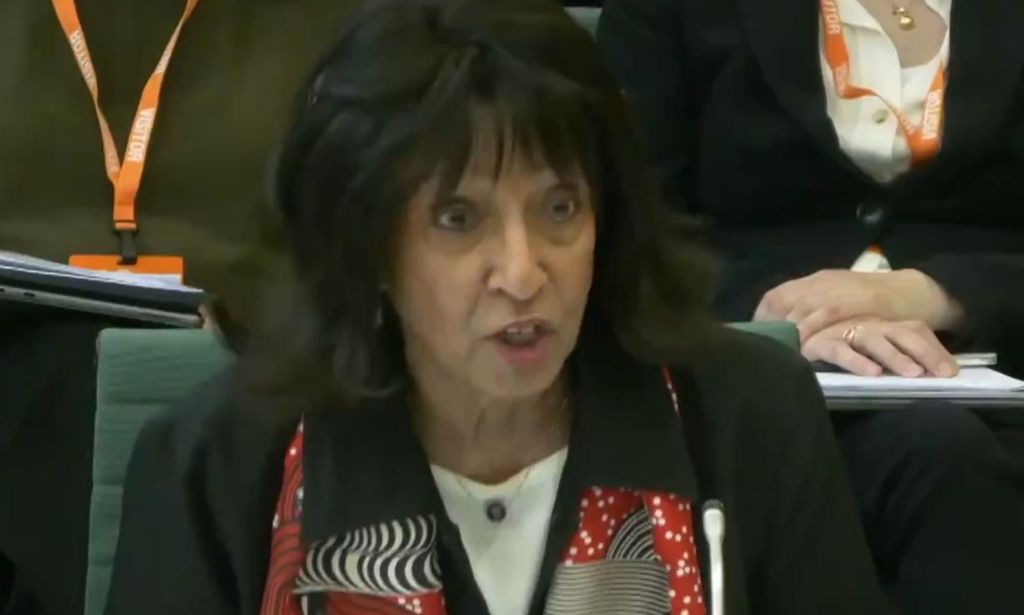
The independent human rights regulator, which had courted controversy for its treatment of trans policies, began consulting on changes to the policy following the FWS v Scottish Ministers Supreme Court ruling in April.
The ruling argued that the 2010 Equality Act’s definition of sex related to “biological sex” and its definition of women related to “biological women,” language that excludes trans women.
In response, the EHRC proposed changes that include forcing trans people to take ID with them into “single-sex” facilities, such as changing rooms and toilets.
It also published interim guidance which recommends that trans people be barred from spaces exclusive to their gender identity and, in some cases, their birth sex too.
Legal challenge of EHRC guidance to be heard in November
Challenging the guidance, legal nonprofit, Good Law Project, described it as having “spread confusion and fear through the trans community since it was rushed out in April.”
Jess O’Thomson, the group’s community outreach lead, said the guidance could be “leading people into legal error” while urging services to “hold for, or find themselves in hot water.”
The EHRC was forced to extend its consultation period after it gave members of the public just two weeks to have their say. It was extended to six weeks.
A spokesperson for the regulator confirmed to PinkNews it had received over 50,000 submissions on the recommendations and would use the findings to amend the guidance “over the summer.”
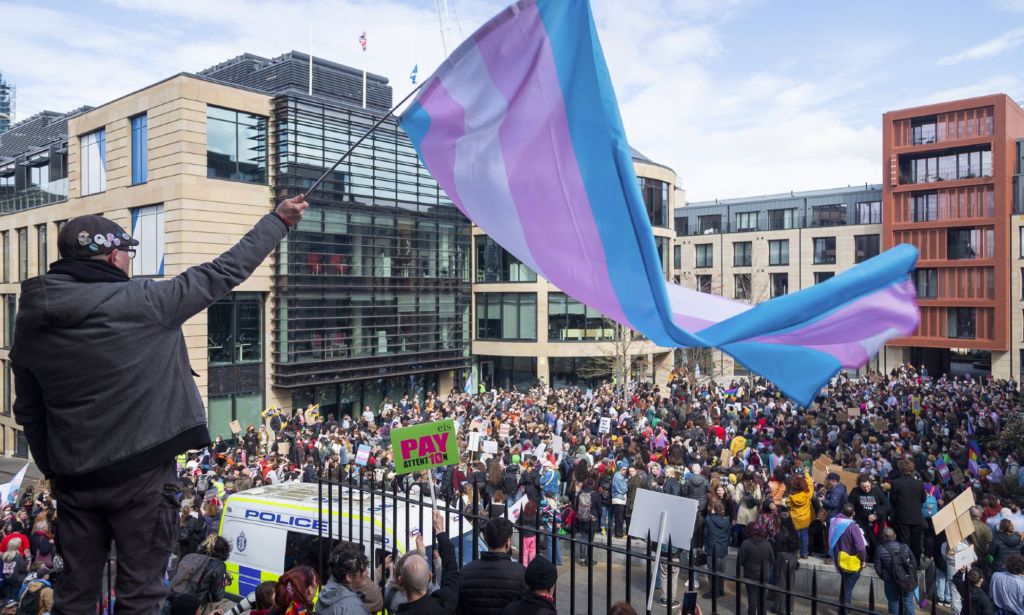
Alex Parmar-Yee of Trans+ Solidarity Alliance argued that the EHRC’s claim that it would seriously consider the submissions in just a month is “simply not credible.”
“This isn’t how we should make decisions about fundamental rights”
“Without substantive changes to the current draft, the Equality Act would be used to mandate the blanket exclusion of trans people from gendered spaces and services – to devastating effect,” she said. “This is an emergency, and we urge people to tell their MP now – this isn’t how we should make decisions about fundamental rights.”
The High Court has scheduled a two-day hearing on the Good Law Project’s case against the EHRC’s guidance in November.
Responding, Falkner claimed the court had “not granted permission for this claim to proceed” but had “deferred its decision to a later hearing.”
She added that, while the policy proposals were not “a comprehensive statement of the law,” the EHRC believed the updates to be an “accurate summary which is consistent with the Equality Act 2010 and Human Rights Act 1998.”