
Polari Prize long list’s only trans author explains why he’s choosing to stay
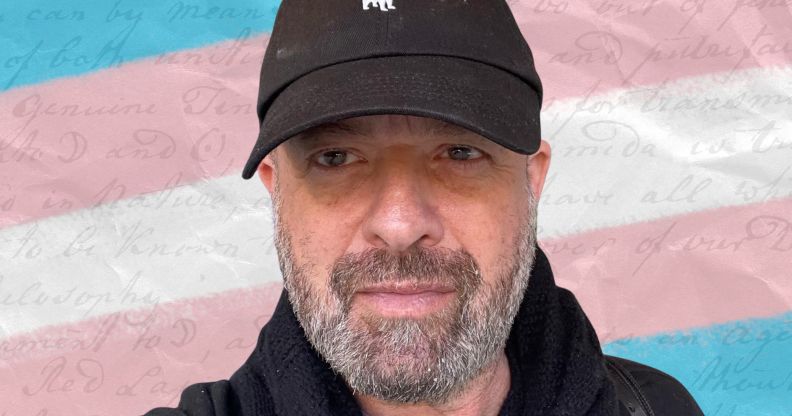
Dr Avi Ben-Zeev. (Supplied/Canva)
The only trans author on this year’s Polari Prize long list has said he refused to be “bullied” into withdrawing, following a controversy over the inclusion of a self-proclaimed a trans-exclusionary radical feminist, or “TERF”.
The author of Calling My Deadname Home, Dr Avi Ben-Zeev, told PinkNews that, while he understood and supported authors choosing to withdraw their books from the UK’s annual literary award list, he refused to “disappear and take my trans story with me”, adding: “If I walk away, I’m erasing my trans story.
“I’ve been bullied as a child for sitting with my legs too wide apart for a ‘girl.’ Ostracised by popular kids for being different. I’m not going to be a ghost, I’m not going to walk away.”
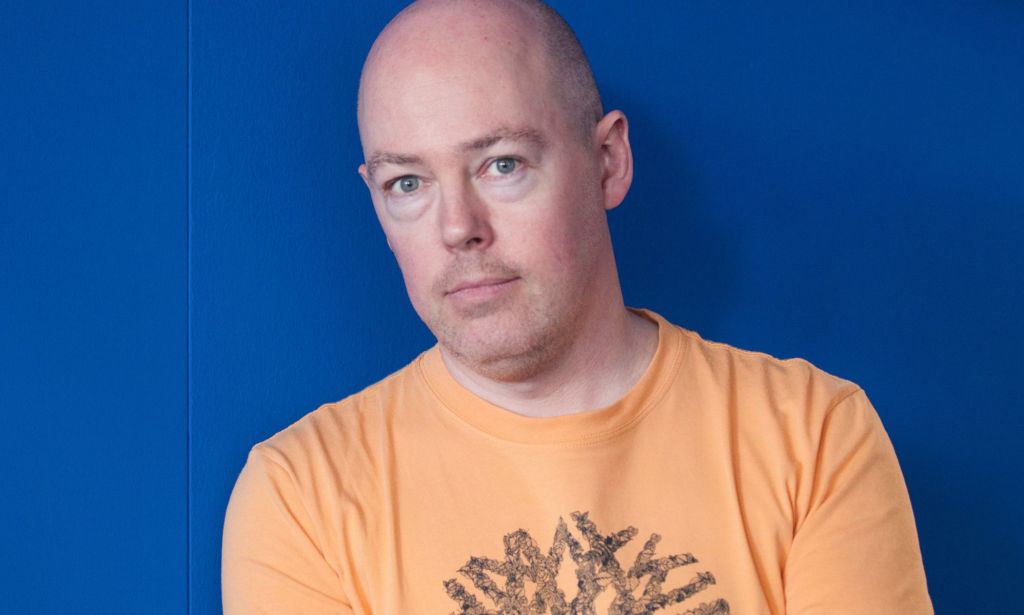
The Polari Prize faced a backlash after including John Boyne and his novel Earth on the list just days after he described himself as a “fellow TERF”, in support of JK Rowling.
In a column for the Irish Independent, Boyne, probably best-known for Holocaust tale, The Boy in the Striped Pyjamas, which went on to be made into a film starring Asa Butterfield in 2008, paid tribute to Harry Potter author Rowling, whose views on trans issues are well-documented.
Some “grown women” who publicly disagree with Rowling were “astonishingly complicit in their own erasure”, Boyne said. He then compared them to a character in The Handmaid’s Tale who was “ready to pin a handmaiden down as her husband rapes her”.
A number of authors have withdrawn their books from the 2025 long list in protest at Boyne’s inclusion, including Sacha Coward, who wrote Queer as Folklore, who said he could not “continue in good faith” to associate with Polari.
However, Dr Ben-Zeev said that walking away from the Polari Prize long list meant “erasing myself,” and that there was “nothing more trans-exclusionary… than to see people like me disappear.”
He went on to admit: “I’m afraid of staying, I’m afraid of the backlash, I’m afraid of the horrible things [people might say]. I’m not staying because I think I’ll get more recognition but I can’t walk away.
“[However], the joy’s gone, the innocence is gone. I can’t trust if they’re going to choose me for the right reason or if I’m the token. If they did nominate me, is it because they saw merit in my book?”
‘If I thought the Polari Prize was transphobic, I would have left’
Responding to the backlash, a spokesperson for Polari said they were “committed to supporting trans rights and amplifying trans voices,” pointing to a 15-year history of highlighting LGBTQ+ literary works.
The spokesperson expressed “great sadness” at the resignation of judge Nicola Dinan, who won last year’s prize for her novel Bellies, but they understood and respected her decision.
Ben-Zeev urged Polari to be “a lot more explicit” about the rejection of “TERF” rhetoric, saying it needed to be stronger
“They need to look deep into their values and make sure they specify that if someone’s TERF beliefs come to light post-nomination, then there should be a right to rescind [their inclusion on the list]. I have faith they’ll go back and change their [policies] so this will never happen again.
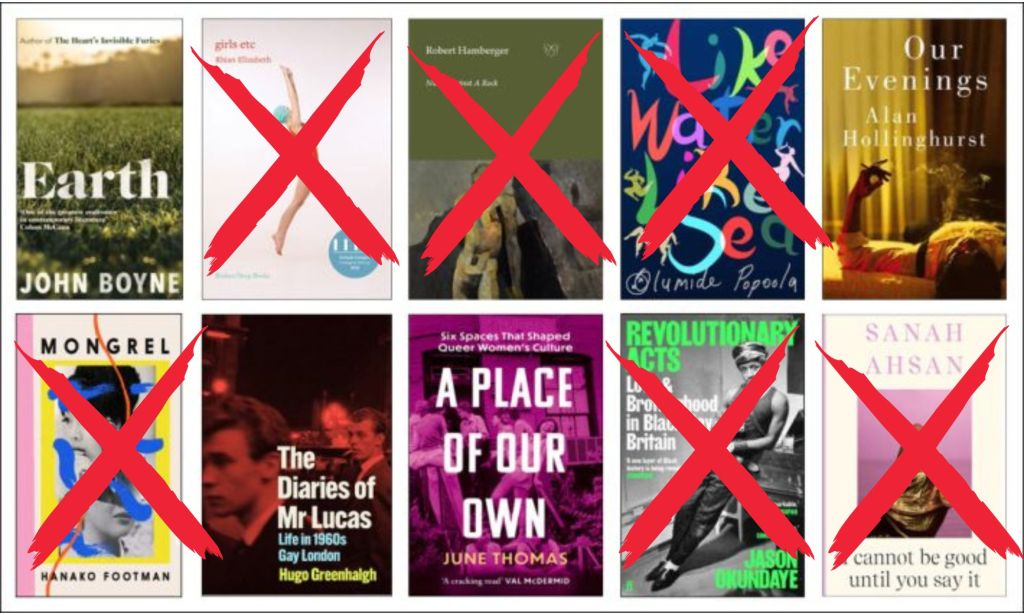
“I support those who withdrew because they voted with their conscience, I just wish there was more recognition that there are more ways to respond… I think there’s more nuance to this situation because Polari didn’t know, and we should use what happened as an opportunity for discussions about how to protect trans and nonbinary people from TERFy folks in our queer communities.
“Do I hold [Polari officials] responsible? Yes. They should have [researched] it… they should have done a much better job. But if I thought the Polari Prize was transphobic, I would have left.
“It’s really the only prize we have that’s taken seriously. It’s changed a lot of queer authors‘ [careers], and we need that. But at the same time, there’s a learning curve.”