
Gender-critical group lodge new legal case over single-sex spaces
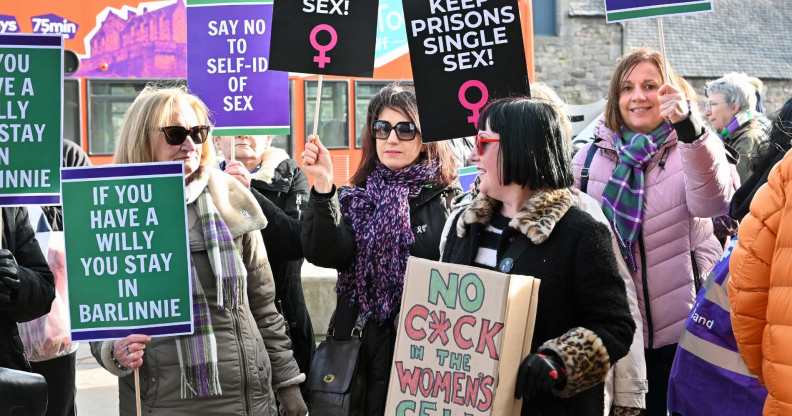
For Women Scotland are bringing another legal case against the Scottish government (Ken Jack/Getty Images)
The gender-critical group that brought the case that led to the Supreme Court’s ruling on the legal definition of the protected characteristic of “sex” is taking legal action against the Scottish government over policies it claims are “inconsistent” with the judgement.
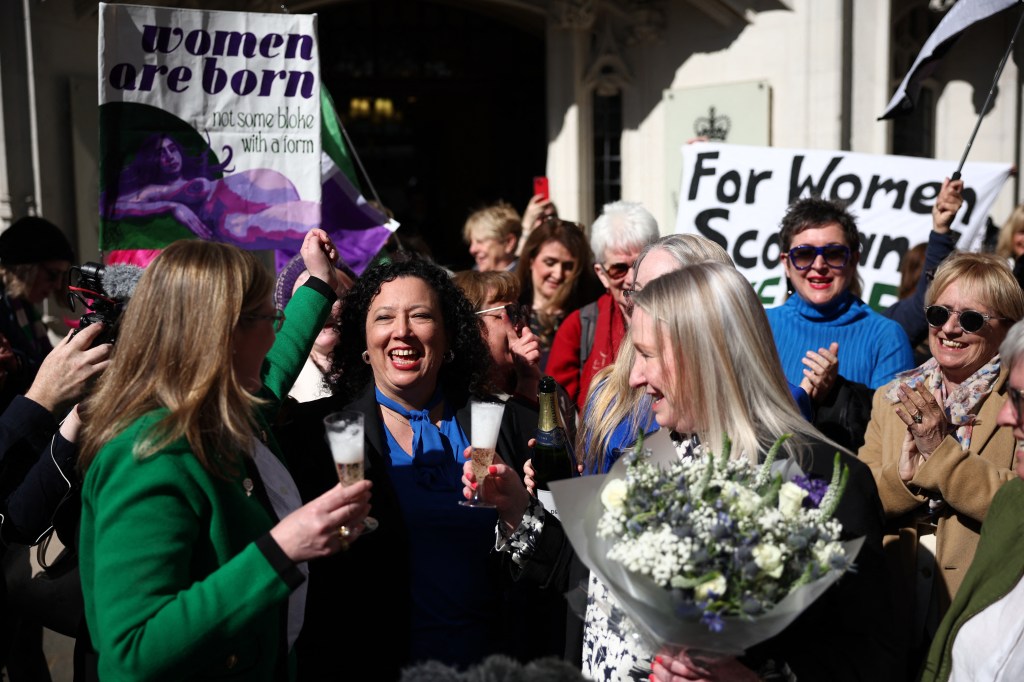
The Supreme Court ruling in April came after years of legal tangles between For Women Scotland and the Scottish government over single-sex spaces. The UK’s top judges eventually decided “the terms woman and sex in the Equality Act refer to a biological woman and biological sex”.
On Saturday (16 August), For Women announced they had lodged action at the Court of Session over policies in Scotland regarding trans pupils in schools and transgender people in custody that remain in place and which they claim are “in clear breach of the law”.
The legal action was “not a petition for a judicial review but an ordinary action for reduction (quashing) of policies that are inconsistent with the UK Supreme Court judgement”, a spokesperson said.
The guidance related to education states that trans pupils should “not be made to use the toilet or changing room of their sex assigned at birth” and schools should be aware some transgender youngsters “may not be comfortable using a single-sex toilet or changing room that matches their gender identity”, so gender-neutral toilets should be provided. It is “important that young people, where possible, are able to use the facilities they feel most comfortable with”, it goes on to say.
The prison guidelines outline that a trans woman can be sent to a women’s jail if she does not meet the criteria regarding violence against women and girls and there is no basis to “suppose they pose an unacceptable risk of harm” to other female inmates.
For Women Scotland spokesperson have called on Holyrood to withdraw the guidelines but “nothing has persuaded the government to take action and both policies remain stubbornly in place, to the detriment of vulnerable women and girls”, leaving the group with “little choice but to initiate further legal action”, the spokesperson claimed.

Ministers have 21 days to respond, they added.
“If the policies have not been withdrawn by then, we will lodge the summons for calling, and the government will have to defend its policies in court. We are asking the court to issue a declarator that the school guidance and the prison guidance are unlawful and that they be reduced in whole. We are also asking that both policies are suspended in the meantime.”
The Supreme Court verdict is already having implications for the trans community after the Equality and Human Rights Commission issued draft guidance to bar trans people from single-sex spaces, facilities and services which match their gender. Leaked documents suggest the final version of the guidelines will be not too dissimilar.
Several organisations have already taken steps to exclude trans people from single-sex spaces and services, including the Football Association, the England and Wales Cricket Board and the Scottish parliament building.
Share your thoughts! Let us know in the comments below, and remember to keep the conversation respectful.