
The Danish Girl star admits Oscar-winning trans drama already feels ‘extremely dated’
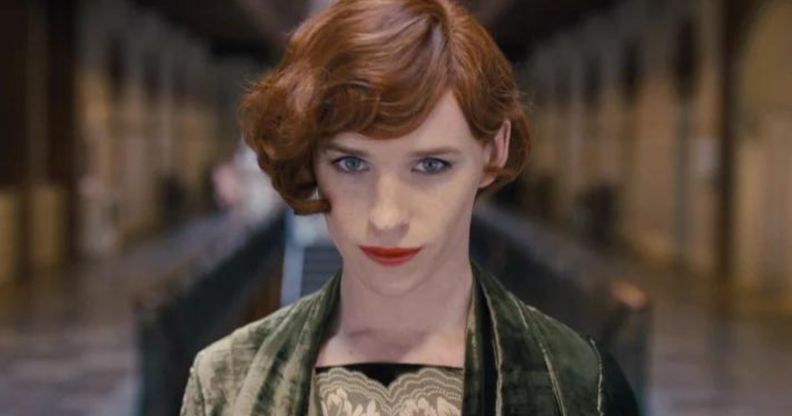
Eddie Redmayne played trans icon Lili Elbe in 2015’s The Danish Girl. (Universal Pictures)
Alicia Vikander, who starred opposite Eddie Redmayne in The Danish Girl, has said the 10-year-old film already “feels extremely dated”.
The Oscar-winning film focused on the life of Danish painter Lili Elbe (Redmayne), a trans woman who was one of the earliest recipients of gender-affirming surgery, with Vikander as her wife and fellow painter Gerda Wegener.
The film was well-received by the critics and was nominated for a number of awards, with Vikander taking home the gong for best supporting actress at the Oscars. However, it was panned by some members of the trans community for casting a cis man rather than a trans woman in the lead role.
A decade on, Testament of Youth star Vikander feels that casting is somewhat stale.

“It already feels extremely dated, which I think is a good thing,” she told Variety. “At that time, it was a pivot, in that [the subject of transgender lives were] at least discussed. I hope that in a way it was a bit of an eye-opener and opened the way for art to cover those themes.”
Vikander is not first member of the cast to criticise Tom Hooper’s movie. In 2021, Redmayne admitted that he had made a “mistake” in accepting the role. While he “made that film with the best intentions”, he would not make the same decision again, he told The Sunday Times.
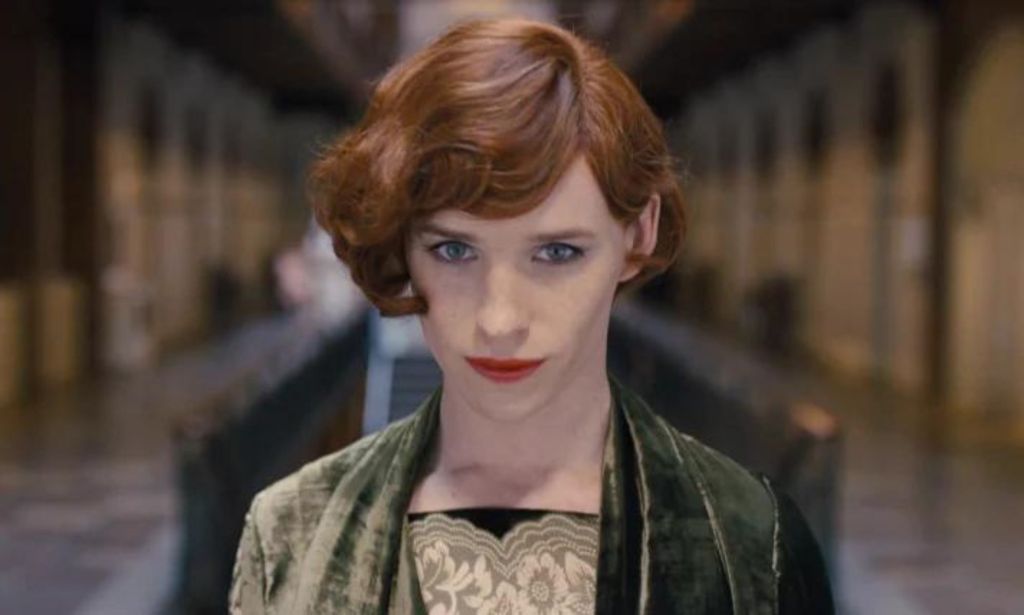
Two years later, Redmayne revealed how trans actors had questioned his decision to take the part.
“A few years ago, I did a workshop with trans actors at the Central School of Speech and Drama,” the Fantastic Beasts star told The Guardian. “A lot of them were quite rightly interrogating me about my choice to do The Danish Girl, pointing out that many trans actors don’t go to drama school because they don’t see it as an opportunity.
“Unless there are parts you think are possible for you to play, why would you? Everyone wants to be able to play everything… no one wants to be limited by their gender or sexuality but, historically, these communities haven’t had a seat at the table. Until there’s a levelling, there are certain parts I wouldn’t play.”
And speaking on the Podcrushed podcast last year about playing the queer-coded role of the Emcee in Cabaret on Broadway, for which he also faced criticism, he said: “I have a history of parts that I’ve played, that have been problematic in some of those choices, and I’ve spent a lot of time ruminating on those things and wondering what I would do differently.
“When it came to Cabaret, I’d learnt my lesson, and I didn’t take the part on without knowing exactly what I was doing.” While he understood the backlash for portraying an “iconically queer role”, he felt the character was “description-less and deserves any form of interpretation”.
Share your thoughts! Let us know in the comments below, and remember to keep the conversation respectful.