
Judge strikes down parts of ‘Florida book ban: ‘None of these are obscene’
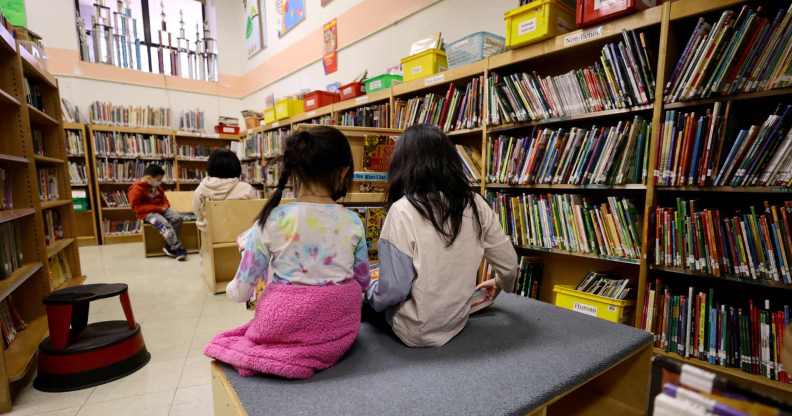
The judge ruled the book are not “obscene” (Michael Loccisano/Getty Images)
A judge in Florida has struck down parts of the state’s book ban, ruling that the legislation was so “unclear” as to be actually unconstitutional.
Ron DeSantis’ Sunshine State has continually targeted LGBTQ+ rights, including restricting drag shows and access to gender-affirming care for trans youngsters, and barring transgender people from toilets. And in 2023, the governor signed a bill into law which served as an expansion to the Parental Rights in Education Act, more commonly known as Don’t Say Gay.
House Bill 1069, sponsored by Republican state representative Stan McClain, banned teachers from discussing sexual orientation and gender identity in classrooms up to eighth grade, and staff and students were prohibited from referring to people by names and pronouns that “do not correspond to that person’s sex”.
The law also set out a process for parents to complain about books and material with which they disagreed, and forcing educators to remove them from their libraries “within five school days… until the objection is resolved”.
The wording of the legislation broadly singled out books with “pornographic” content or those which “describe sexual conduct”. Titles pulled from shelves included The Color Purple, On the Road, Looking for Alaska, The Handmaid’s Tale and Slaughterhouse-Five, also known as The Children’s Crusade: A Duty-Dance with Death.
Last year, several book publishers, along with the Authors Guild and parents from Escambia County, took legal action after dozens of books were removed from school libraries under the law. And now, district court judge Carlos Mendoza has struck down large parts of legislation.
“None of these books are obscene,” he said in his ruling. “The restrictions placed on these books are thus unreasonable.”
The prohibition of material that “describes sexual conduct” was “over-broad and unconstitutional”, he added, because the law “mandates the removal of books that contain even a single reference to the prohibited subject matter, regardless of the holistic value of the book individually or as part of a larger collection”. In addition, the law gave “parents licence to object to materials under a I-know-it-when-I-see-it approach”.
Mary Rasenberger, the chief executive of the Authors Guild, welcoming the ruling by saying: “This victory affirms what we’ve always know: that literature has the power to expand worlds, foster empathy and help young people understand themselves and their experiences.
“Book bans don’t just censor words on a page, they silence authors’ lived experiences, and deny students access to stories that help them navigate an increasingly complex world.”
Share your thoughts! Let us know in the comments below, and remember to keep the conversation respectful.