
EHRC sends finalised trans single-sex spaces guidance to UK equalities minister

Equality Minister, Bridget Phillipson. (Getty)
The Equality and Human Rights Commission (EHRC) has finalised updates to its Code of Practice on single-sex services.
The UK’s top human rights regulator, which has faced criticism for its policies on trans people, announced it had shared a finished version of its Code of Practice for services, public functions and associations with equalities minister Bridget Phillipson.
The EHRC began consulting on updates to the Code in April following the FWS v Scottish Ministers Supreme Court ruling that determined the 2010 Equality Act’s definition of women referred to “biological women.”
Proposed changes included clauses that would force trans people to take ID with them into ‘single-sex’ facilities, such as changing rooms and toilets.
Its draft proposals, which include forcing trans people to bring ID with them into toilets have been criticised by multiple rights groups, who have argued the “harmful” regulations would push trans people out of public life.
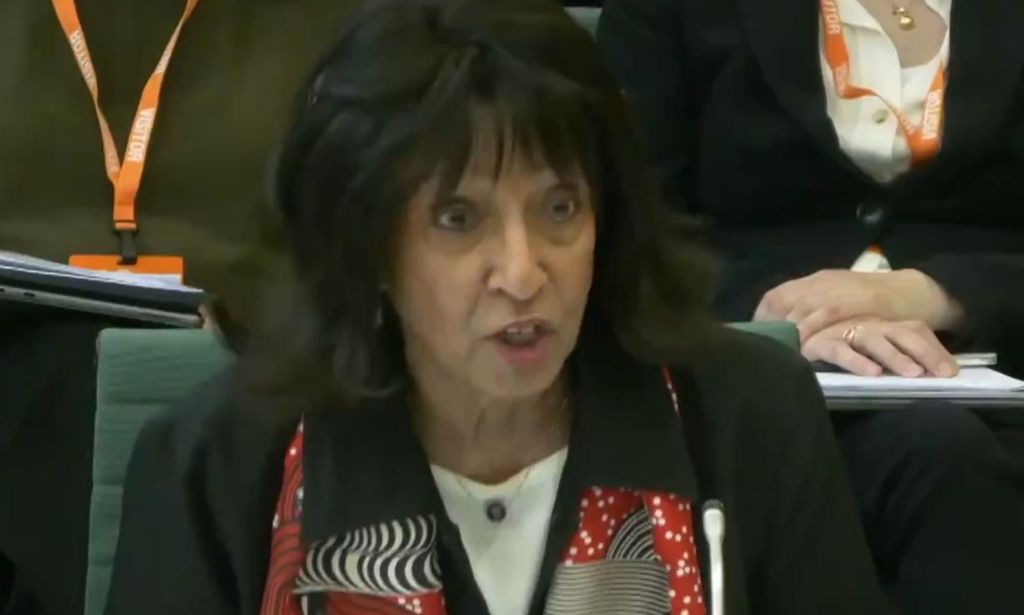
Speaking on Friday (5 September), EHRC chair Baroness Kishwer Falkner said the changes reflected “over ten years of new legislation,” including the Supreme Court ruling.
“The government is responsible for laying it before Parliament,” she continued. “Once Parliament has considered its content, I look forward to the EHRC publishing this guidance, fulfilling our statutory role to provide clear information that protects everyone’s rights under the Equality Act 2010.
“We have been clear that service providers, associations, and public functions should not wait for the Code of Practice to be published to make any changes needed to comply with the law. As duty-bearers, they must assure themselves of their legal responsibilities in their own specific circumstances and seek independent legal advice where necessary.”
The finalised Code of Practice has not yet been made public and is likely to remain unpublished until the government approve its changes, which will begin the process of making its provisions statutory, or legally binding.
Earlier this month, over 80 organisations and activist groups signed an open letter calling on prime minister Sir Keir Starmer to hold a “meaningful debate” on the Code’s new provisions in the House of Commons.
“Parliament and the public are not expected to even gain sight of the Code until after it has had ministerial approval, and MPs are expected to have no opportunity to debate or vote on this momentous change in Parliament,” the letter, published on Monday (1 September), reads.
As part of its public consultation on the updates, the EHRC received over 50,000 responses from the UK public, which it claims to have reviewed since the consultation period ended in August.

Groups and activists have accused the regulator of “rushing” the changes. In a column for PinkNews in May, former Green Party co-leader Carla Denyer claimed the proposed updates wouldn’t keep “any of us safe – trans or not.”
“The implications of these guidelines are deeply worrying,” she continued. “At best, trans people face having to out themselves in order to use facilities and services, which violates their right to privacy. At worst, this guidance will act as a bigot’s charter, unleashing vigilante harassment, intimidation and violence against trans people.”
“Tell your MP to stand up against this terrifying overreach”
Responding to the EHRC finalising its Code of Practice, Trans+ Solidarity Alliance founder, Jude Guaitamacchi said to PinkNews: “We have to fight this – and bring transparency and democracy to this process rather than allow rights to be taken away behind closed doors. For trans people and anyone who care about us – tell your MP now to stand up against this terrifying overreach.
“We all need to see what the EHRC has created and Parliament needs to be able to scrutinise it properly with a free vote, not have it gain ministerial approval in secret.”