
Republican and Democrat senators join forces in bid to restore LGBTQ+ youth suicide hotline
Close-up of a mental health crisis helpline sign reading ‘Call or text 988’ in California (Photo by Smith Collection/Gado/Getty Images)
Warning: This article contains themes of suicide and mental-health distress for LGBTQ+ youngsters, including statistics and details. Reader discretion is advised.
Senators from across the political spectrum have jointly proposed a bill which would restore a “vital” LGBTQ+ youth suicide lifeline.
Wisconsin Democrat Tammy Baldwin and Arkansas Republican Lisa Murkowski introduced legislation to counteract the Trump administration’s “lethal” decision to close the 988 Suicide & Crisis Lifeline’s specialised service lifeline extension for LGBTQ+ youth.
The specialised lifeline, known as the ‘Press 3’ options, provided emergency support for distressed LGBTQ+ youngsters by connecting them to appropriate suicide-prevention organisations.
US president Donald Trump closed the lifeline, which actively supported millions of young people since 2022, in July this year under a series of budget cuts to public spending.
In an effort to counteract the impact of its closure, the ‘988 LGBTQ+ Youth Access Act,’ aims not only to restore the service, but to codify its right to exist in federal law.
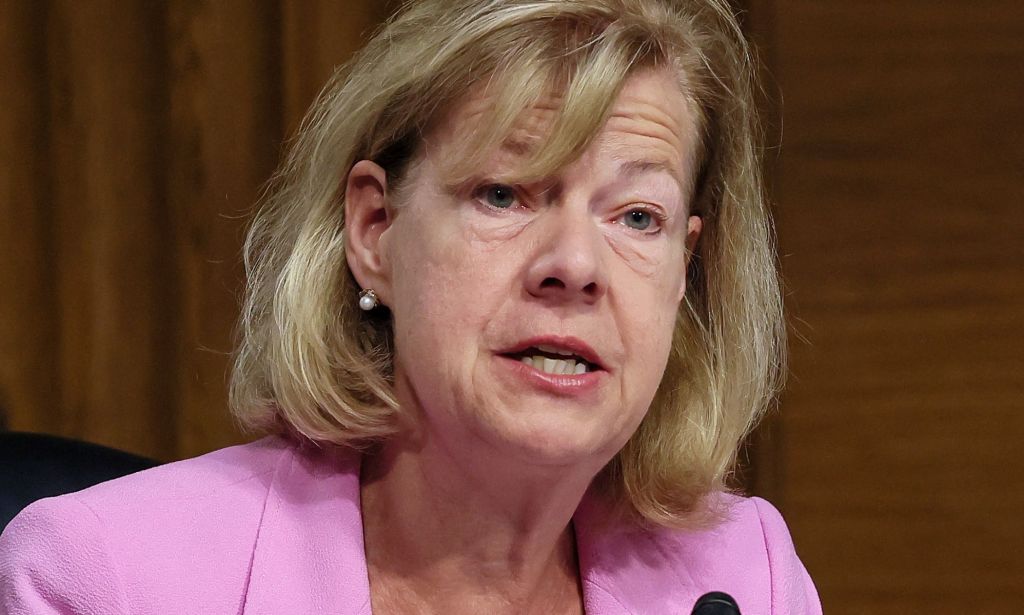
Announcing the bill, senator Baldwin, said the government had provided “absolutely no good reason” to justify closing the specialised service and called on all senators, Democrat or Republican, to support its reinstatement.
“We are in the middle of a mental health crisis, and the 988 lifeline saves lives, plain and simple,” the first out gay US senator said. “There is absolutely no good reason that Donald Trump took away this specialised help for our LGBTQ+ youth.
“Mental health does not see partisan lines or geography, and I’m proud to be working with Democrats and Republicans to do what’s right and ensure that all kids have access to the help they need – regardless of who is president.”
The 63-year-old Wisconsin Democrat penned the legislation to create the lifeline extension in 2020 as a way to address the sharp rise in suicidality among LGBTQ+ youth. Suicide prevention organisations have attributed the rise in mental health challenges among queer young people in the US to growing homophobia and transphobia.
During its lifespan, the specialised service received over 17.7 million contacts, including over 12 million calls, 3.1 million texts, and 2.6 million chats. Just months before it closed, the answer rate hit its highest point at 92 per cent.
LGBTQ+ youth four times more likely to attempt suicide, research shows
The Trevor Project, an LGBTQ+ youth suicide prevention group and one of the places where callers were directed, said its closure was a “devastating blow” for those in need of mental health support, but were hopeful that the proposed bill could save lives.
“Given that LGBTQ+ youth are more than four times as likely to attempt suicide than their peers, the need for these services remains pressing,” Jaymes Black, the Trevor Project’s CEO, said. “We are immensely grateful to the members of Congress – both Repuiblicans and Democrats – who are calling to restore this vital suicide prevention funding through new legislation.”
According to the organisation, nearly 40 per cent of LGBTQ+ young people in the US have seriously considered attempting suicide in the past year, including 46 per cent of trans and non-binary people. More than 1 in 10 LGBTQ+ young people attempted suicide last year.
Months before the closing date, more than 100 members of US congress from both political parties signed an open letter pleading with health secretary Robert F Kennedy Jr to reconsider the “short-sighted” and “dangerous” move.
“Surely, you can agree that every American deserves the resources necessry to prevent suicide and self-injury, regardles of their sexual oreitnation or gender identity?” the May open letter read.
The American Foundation for Suicide Prevention’s executive vice president, Laurel Stine, noted that specialised care which “understands” LGBTQ+ identities and issues can be “life-saving.”
Commenting on the bill’s proposal, Stine thanked its sponsors for “introducing bipartisan legislation to restore these specialised services,” while urging Congress to “act quickly” in passing the law.