
Less than a third of GPs satisfied with training on prescribing HRT to trans people, study finds
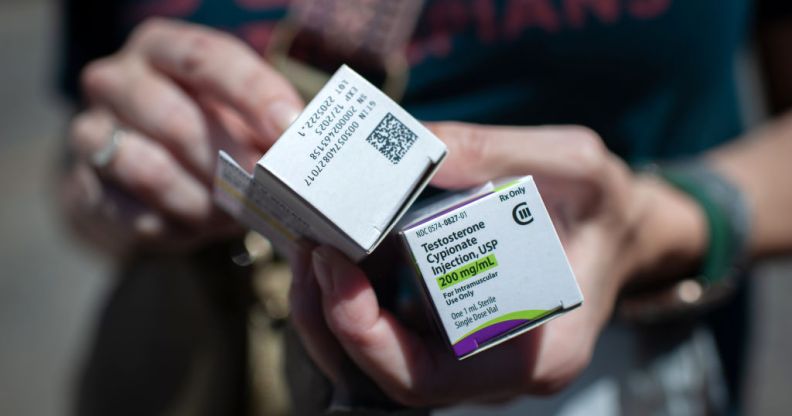
NHS GPs are increasingly untrained on prescribing HRT. (Getty)
Less than a quarter of GPs feel they have adequate training to provide trans healthcare, an eye-opening study has revealed.
A new report into the confidence and training of GPs across the UK revealed that less than a third of GPs were satisfied with the training they had received on prescribing hormones to trans people.
Published by TransActual on Thursday (25 September), the study, believed to be the largest of its kind, found that over half of trans people in the UK have experienced transphobia in a medical setting, with the overwhelming majority blaming a healthcare professionals’ lack of knowledge on trans healthcare.
Despite this, 67 per cent of the GPs surveyed by TransActual said they were confident in their ability to assess and interact with trans patients.
Over the past year, several GPs in the UK have begun denying trans adults hormone replacement therapy (HRT) prescriptions, with many citing a “lack of support” or “lack of expertise” for the move.
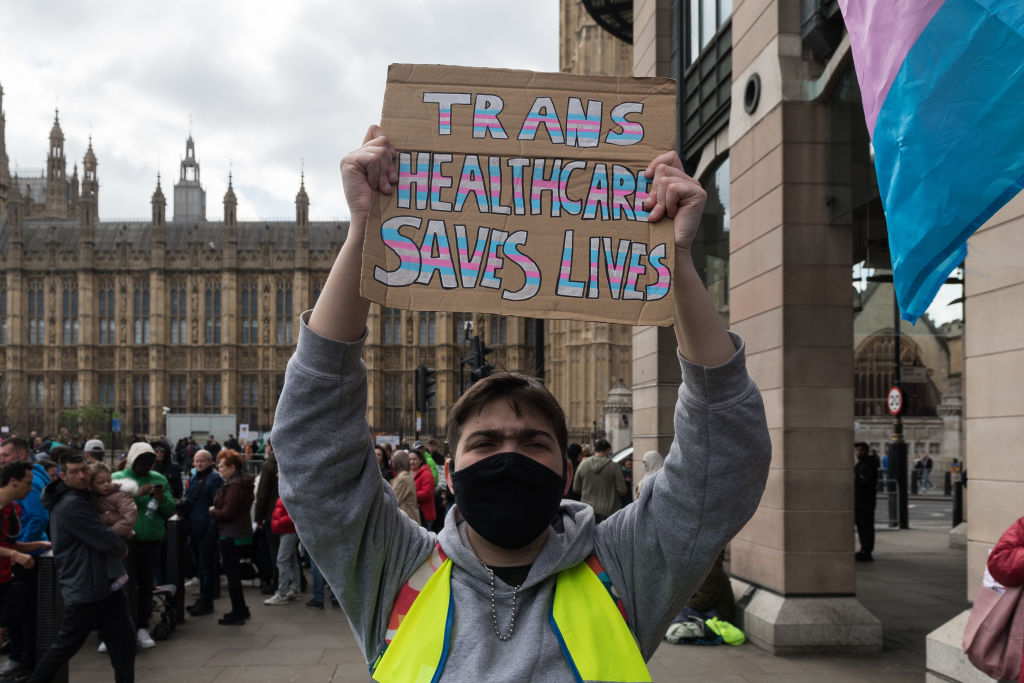
PinkNews has seen letters issued to trans patients from GPs in London, Sheffield, Nottingham, and more abruptly cutting their prescriptions without warning, despite the same GPs continuing to prescribe HRT to cisgender patients.
A report published in October 2024 suggests that at least 215 people had been refused hormones at the time. 56 of them had received a recommendation from an NHS gender clinic, which can take years to acquire.
TransActual’s report found that NHS GPs often had to proactively seek out training on trans healthcare, with many even paying for it out of their own pocket.
Many who felt confident in providing support said the majority of their knowledge came from their trans patients. More than a quarter of GPs said they do not knowingly care for a trans patient.
Chay Brown, TransActual’s healthcare director, said the report highlights “how little access there is to high quality training on trans-inclusive care.”
Brown added: “Too often, trans patients themselves are the only source of [Continuing Professional Development] that GPs have access to, and this needs to change.
“It is essential that all GPs – and the wider medical professions – are trained to understand trans people’s healthcare needs and to offer high quality trans-inclusive care.”
GPs should ‘have expertise’ to prescribe HRT, experts say
Several experts have said a lack of knowledge as justification for the denial of prescriptions is logically inconsistent, since GPs usually work with Gender Identity Clinics (GICs), who provide clinical expertise, to prescribe HRT under shared care agreements.
Clinical psychologist Dr Aidan Kelly told PinkNews in March that GPs should be able to rely on the expertise from GICs to prescribe hormones.
“GPs have expertise in prescribing hormones, they do it for cis people all of the time,” he said.
“Once you get to that point of assigning a diagnosis and having a specialist recommend that they’re appropriate for hormones, which is the point that shared care comes in, then they’re not at the front end. It’s not something that’s outside of most GPs abilities to do, or at least have someone in the practice who could advise on it.
Patients who have been denied care told PinkNews they are “terrified” over the implications of the ban and have considered self-medicating – the act of taking hormones without medical oversight – should the NHS deny treatment altogether.
One patient said accessing HRT had allowed her to “enjoy life,” adding: “As history shows us, removing people’s access to healthcare does not remove the need for it.”