Cisgender Big Brother housemate experiences ‘transphobia’ for being bald: ‘Transphobia hurts cisgender women’

Big Brother housemate Feyisola experienced verbal transphobic abuse – because she is bald. (ITV)
Big Brother newcomer Feyisola has revealed that she has experienced “transphobia” in the outside world – despite being cisgender – because she is bald.
In a powerful conversation on the ITV reality show last night (30 September), 33-year-old financial investigator Feyisola spoke to 25-year-old trans personal trainer Zelah and 22-year-old farmer Cameron about how transphobia can impact cis women, too.
Asked by Cameron which is more difficult, being a woman or being Black, Feyisola said that the fact that she is a Black woman without hair has led to “a lot of weird comments” about her gender identity.
“I get a lot of people who make comments that they probably shouldn’t feel comfortable saying. I get a lot of people shouting at me, ‘You’re always going to be a man’,” she revealed.
“You’d be surprised. Very close to my house, these two men shouted ‘You’re always going to be a man’ and he said to his friend, ‘That’s a man! That’s a man!’ The look on his face – the only way I can describe it is utter disgust.
“This man, I didn’t know what he was capable of,” she said. “I felt so vulnerable and I don’t often feel that way. I did. It wasn’t nice… I get, essentially, transphobic abuse.”
Zelah, who has started opening up to his housemates about his trans identity, then chipped in to try and explain to Cameron why the increase in transphobic sentiment in the UK can have a detrimental impact on those who don’t identify as trans.
“With transgender policies and stuff like that, people say that being against transgender women, also hurts cisgender women,” he said.
“Because what happens is, society’s idea of femininity, usually white femininity as well – that’s usually what it’s based on – anyone that doesn’t match that, for example masculine lesbians, they then get a lot of hurt towards them.”
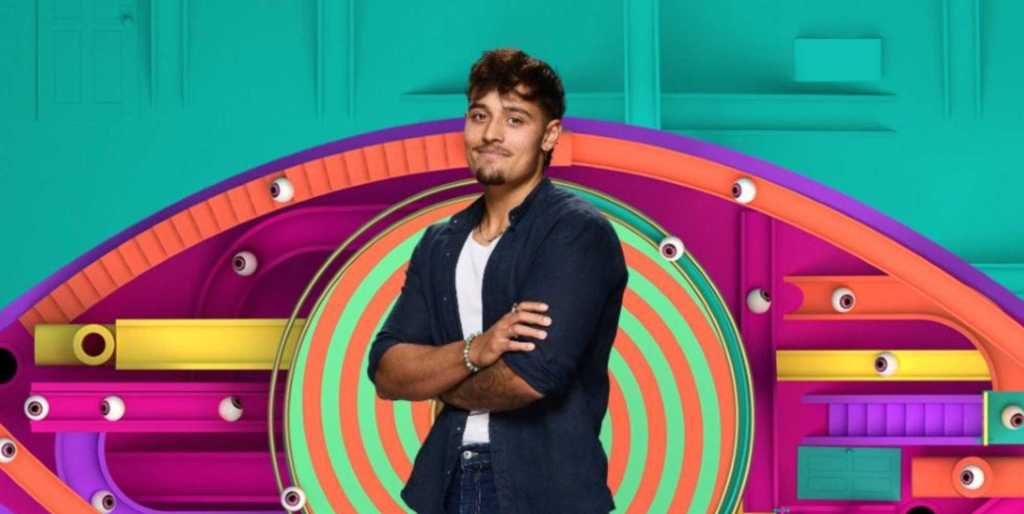
“It’s a good example of intersectionality where if your feminism is anti-trans, it can’t really be feminism.”
Feyisola agreed, revealing that she knows “so many cisgender women” who have been “attacked” because they do not resemble what society deems cisgender women to look like.
“That whole concept in itself is so problematic but people aren’t seeing it. As soon as I shaved my hair off, I was getting quite a few weird looks,” she said.
“I started wearing a lot more pink; I was doing my nails. What is the idea of femininity? I’ve never been that person; it’s never been important to me. But society then forced me into feeling that it was important to me, which is crazy.”
In April, the UK Supreme Court ruled that the terms “sex” and “woman” in the 2010 Equality Act relate exclusively to “biological sex” and “biological woman”, thus excluding trans women.
As a result, the Equality and Human Rights Commission’s (EHRC) finalised updates to its Code of Practice on single-sex services, with proposed changes including clauses that could force trans people to bring ID with them into ‘single-sex’ facilities, including changing rooms and toilets.
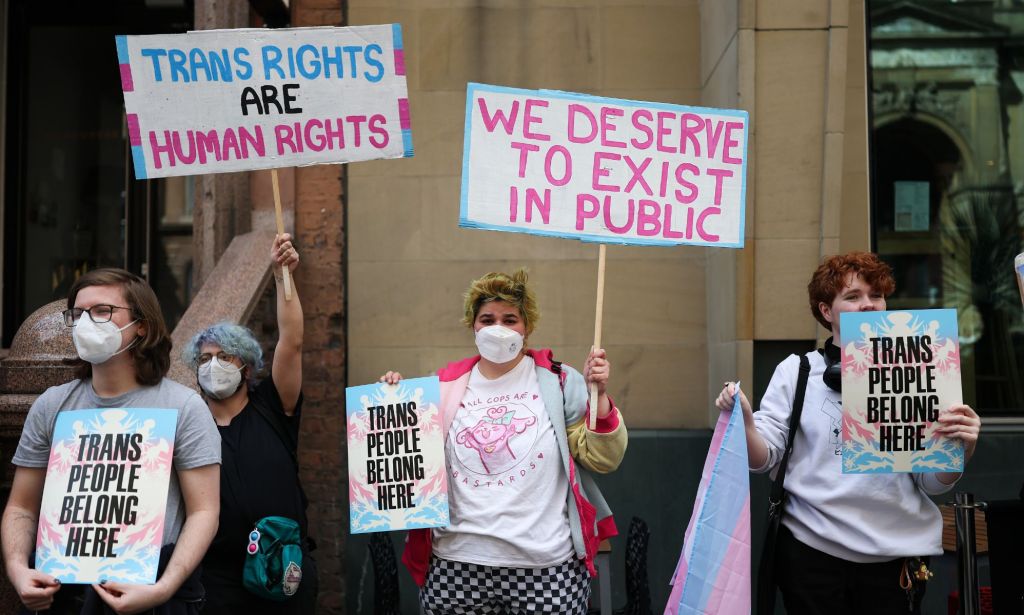
Activists have warned that the proposals would not only effectively push trans people out of public life, but would also harm cisgender women who do not adhere to typical, physical gender ideals.
A report, published by TransActual in August, revealed that cisgender and intersex people – as well as trans people – have faced increased harassment since the April ruling.
In one case, a cisgender lesbian who had a “short haircut” that could be defined as “masculine” was told that she was “not allowed” to use a women’s bathroom.
Big Brother continues on ITV2 and ITVX, Sunday through to Friday, at 9pm BST.
Share your thoughts! Let us know in the comments below, and remember to keep the conversation respectful.