
Chiles vs Salazar: US Supreme Court case to determine future of conversion therapy bans
The Supreme Court’s decision could widely impact conversion therapy in the US. (Getty)
Supreme Court justices are set to decide the future of so-called conversion therapy in the US.
The case of Chiles vs Salazar will determine the legality of state and federal laws that bar medical professionals from subjecting people under the age of 18 to practices that can supposedly change their sexuality or gender identity.
The court will begin to hear oral arguments on Tuesday (7 October).
The case was brought to the Supreme Court in March after mental-health counsellor Kaley Chiles sued the state of Colorado over the protective law, claiming it violated her right to free speech.
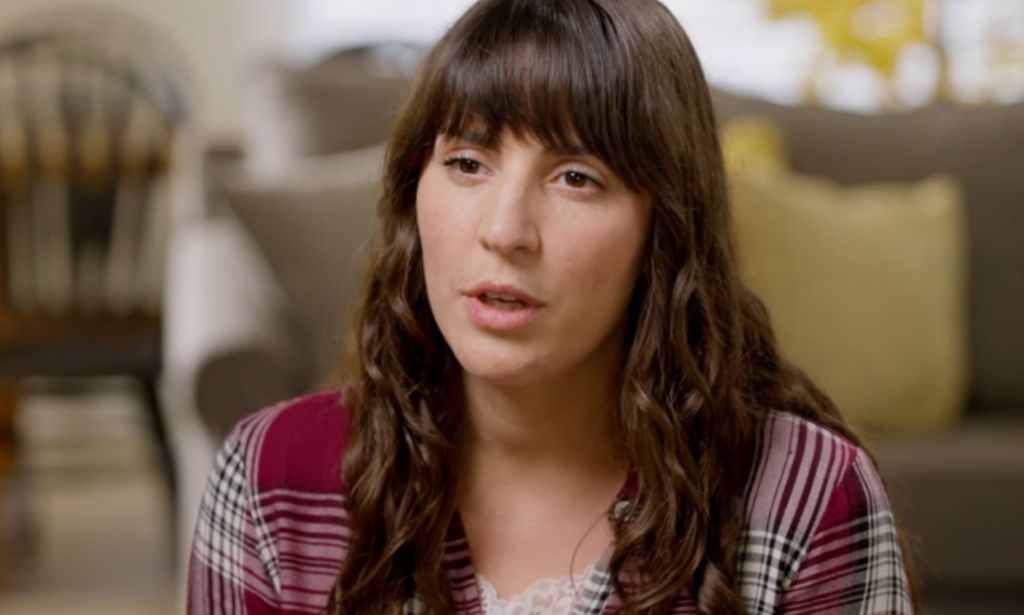
Colorado Department of Regulatory Agencies executive director Patty Salazar has said the law was necessary to protect young people. Conversion practices can involve traumatic behaviour modification and aversion therapy rooted in the outdated belief that LGBTQ+ people can be “cured”. Those subjected to them often develop mental-health issues such as depression, anxiety and suicidal ideation.
Research has shown that LGBTQ+ youngsters forced to undergo conversion therapy were twice as likely to attempt suicide and nearly three times as likely to report numerous attempts to take their own life.
How could the outcome of the case affect other states?
The Supreme Court’s decision is likely to mirror the judgements in abortion rights case Roe vs Wade, and Obergefell vs Hodges, which legalised same-sex marriage throughout the US. The rulings effectively imposed federal restrictions on what US states can – and cannot – to legislate. A decision that the Colorado law violated Chiles’ free speech would be likely to set a legal precedent preventing other states from instigating bans.
Since 2012, almost half of all 50 US states have banned licensed mental-health professionals from subjecting minors to conversion practices. Many of those restrictions, including Colorado’s, do not apply to non-licensed religious counsellors.
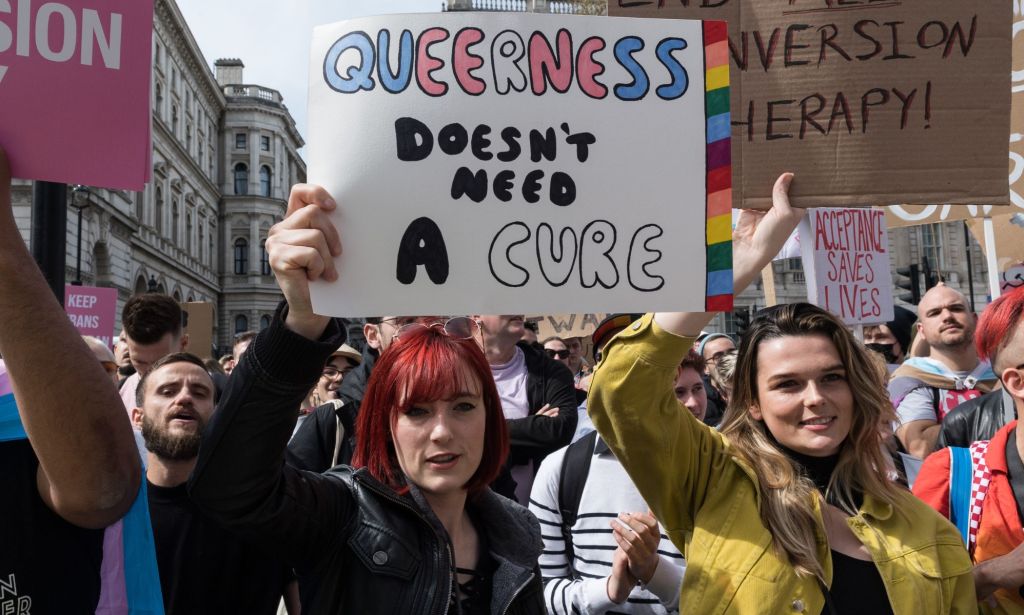
Shannon Minter, the legal director for the National Center of LGBTQ+ Rights, told Stat News that such a ruling would probably cause confusion for medical professionals and institutions over minimum standards of care.
“If the court were to go down that path, it would really lead to, probably, massive deregulation of medical care and leave consumers very vulnerable to harm and mistreatment,” he said.
Suicide prevention charity urges Supreme Court to uphold conversion therapy ban
The Trevor Project has urged the Supreme Court to uphold Colorado’s law, warning that allowing conversion practices to proliferate would lead to fatal consequences.
It was “unimaginable” that institutions were continuing to debate banning conversion therapy, which had been “been debunked, discredited and known to cause harm for decades now”, Jaymes Black, the chief executive of the suicide prevention charity, said.
“Therapists can, and do, help young people navigate and understand their identity but they should not be allowed to pressure youth toward a specific outcome, such as changing their sexual orientation or gender.
“These efforts, no matter what proponents call them, are proven to cause lasting psychological harm.” While many people believe the practices to be a “relic of the past,” evidence has shown that young Americans were still being harmed, Black added.
A report from 2023 identified more than 1,300 active conversion therapy practitioners across the US.
Suicide is preventable. Readers who are affected by the issues raised in this story are encouraged to contact the Samaritans on 116 123 (samaritans.org), or Mind on 0300 123 3393 (mind.org.uk). Readers in the US are encouraged to contact the National Suicide Prevention Line on 1-800-273-8255.
Share your thoughts! Let us know in the comments below, and remember to keep the conversation respectful.