Tilda Swinton went to ’43 funerals’ in one year at height of Aids crisis
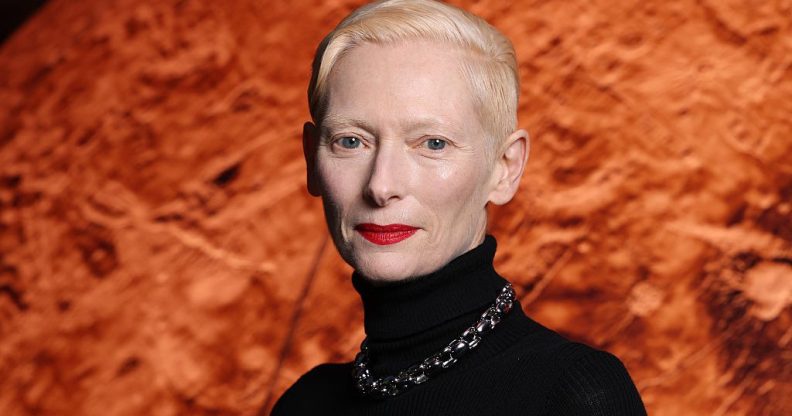
Tilda Swinton. (Photo by Pascal Le Segretain/Getty Images)
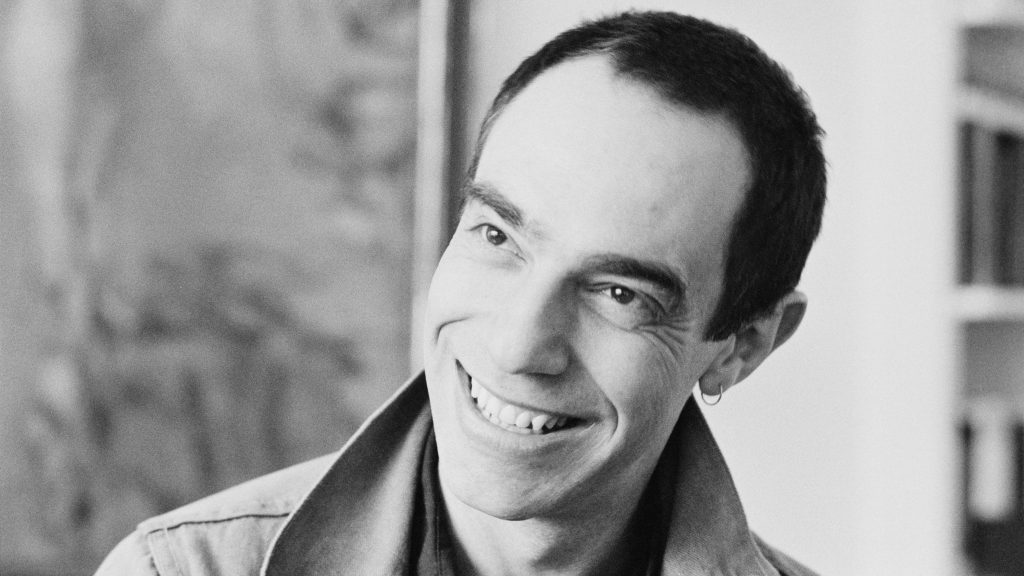
Tilda Swinton has recalled going to “43 funerals” in one year, at the height of the Aids pandemic, including for her friend, collaborator and gay rights activist Derek Jarman.
The actress, who starred in director Jarman’s Caravaggio in 1986, has been celebrated in a new exhibition, documenting her career, in Amsterdam. Tilda Swinton – Ongoing, runs at the Eye Filmmuseum until February and explores the Oscar-winner’s work with filmmakers such as Luca Guadagnino, Joanna Hogg and Jim Jarmusch, as well as Jarman.
Included in the displays are previously unseen works from Jarman, including Super 8 footage of the actress.
Speaking to the BBC, Swinton recalled Jarman, who died of an Aids-related illness at the age of 52.
Swinton said it was “unimaginable” that she’d be working in film without him. Having gone to university as a writer, she was drawn into performing by friends. She met Jarman after university and was introduced to the type of cinema “I really wanted to be a part of”.
Asked about the element of grieving in aspects of the exhibition, including losing Jarman in 1994, Swinton revealed that she attended 43 funerals that year. She was only 33.
“One of them was Derek’s in the February but that was what our life was like then, and it bears repeating because I know there’s a younger generation that has somehow missed out on knowing enough about it.”
Swinton, who turns 65 next month, then referred to a news report regarding a “game changing” treatment to prevent HIV. It was “poignant… to know that it isn’t necessarily a death sentence” for those who lived through the Aids crisis, she added.
“It was at a certain point. As a young person, that was a sort of bedrock of a lot of my creative life. And my exhibition, I have to say, has got a lot of ghosts in it. It’s all about phantoms and surviving the departures of people, [while] holding them close. How do we survive things? How do we go on?”
Swinton has previously described spending her twenties in a “queer environment,” and in 2021 told British Vogue: “I’m very clear that queer is, for me anyway, to do with sensibility. I always felt I was queer, I was just looking for my queer circus and I found it. Having found it, it’s my world.”
Share your thoughts! Let us know in the comments below, and remember to keep the conversation respectful.