
Texas judges can refuse to perform same-sex marriages, court rules

Texas judges can now refuse to perform same-sex marriages. (Getty)
Judges in Texas can, tragically, now refuse to hold same-sex weddings, the state’s Supreme Court has ruled.
A judgement from the state’s top court will allow judges to refuse to perform marriages based on “sincerely held religious beliefs.”
Signed on Friday (24 October), Supreme Court justices argued in a ruling opinion that refusing to perform certain marriages is not a violation of the Texas Code of Judicial Conduct – a set of ethical standards that Texas judges must adhere to.
McLennan County judge, Dianne Hensley, sued the state after she was publicly sanctioned for refusing to perform same-sex weddings over what she described as a “Bible-believing” conscience.
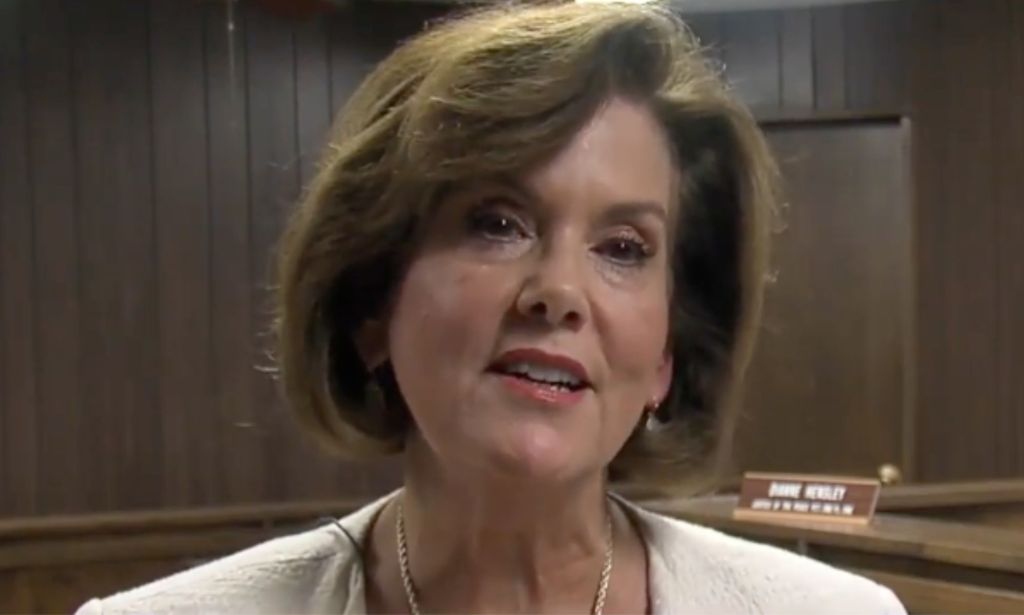
The county justice of the peace argued in legal filings that the State Commission on Judicial Conduct violated her religious rights with its decision to publicly warn her over her actions.
In its warning, the Commission said Hensley was “casting doubt on her capacity to act impartially to persons appearing before her as a judge due to the person’s sexual orientation.”
The Supreme Court’s decision amended Canon 4 of the Judicial Code, which outlines impartiality rules for Texas judges.
“It is not a violation of these canons for a judge to publicly refrain from performing a wedding ceremony based upon a sincerely held religious belief,” the ruling opinon reads.
US Supreme Court could hear case on same-sex marriage
The case mirrors a federal legal challenge brought by Kentucky county clerk Kim Davis for her refusal to issue marriage licenses to same-sex couples.
Davis, who served as Rowan county clerk from 2015 to 2019, refused to issue marriage licenses to a same-sex couple shortly after the Supreme Court recognised a constitutional right to same-sex marriage through its Obergefell v Hodges judgement in 2015.
After a decade of litigation over her refusal to issue marriage licenses to any queer couples, she called on the US Supreme Court in July to hear her case challenging a decision which argued her actions were unconstitutional.
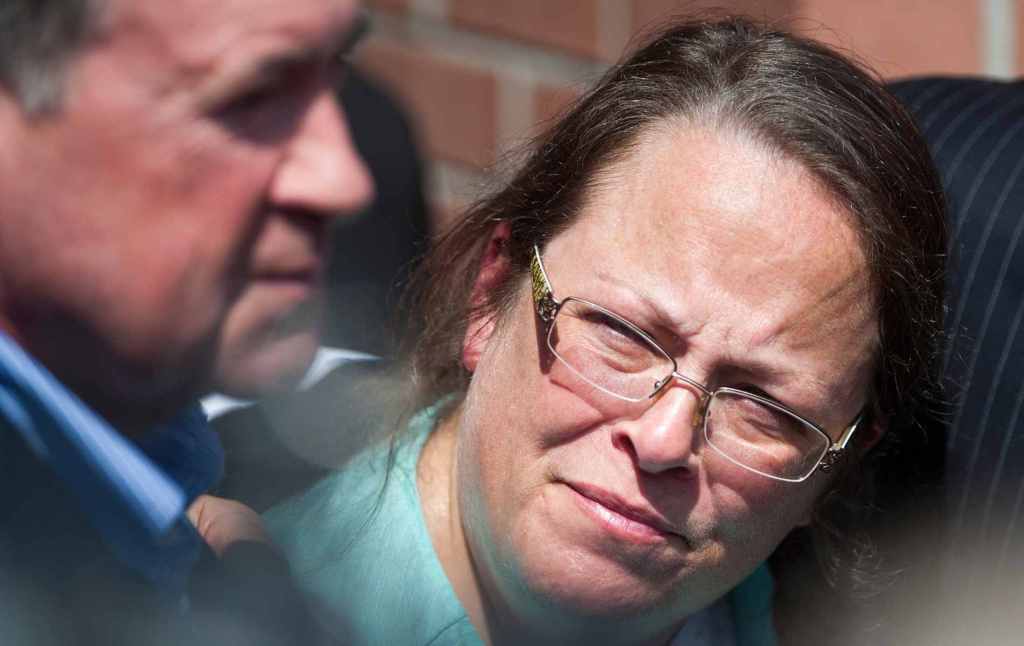
The US Supreme Court will discuss whether to take on the case during their next private conference on 7 November. A decision could be announced as early as 10 November.
The result could have significant implications on nationwide protection of same-sex marriage brought by Obergefell, which include a constitutional right to marriage.
However, even if the Supreme Court grants review of the petition, it does not automatically mean it will overturn the ruling or end same-sex marriage protections in the US.
Instead, legal analysts have instead suggested the court could decide the case on narrower grounds, such as qualified immunity or the difference between Davis’ personal and professional capacity.