Gay MP perfectly explains why EHRC’s ‘shocking’ guidance on single-sex spaces is ‘unworkable’
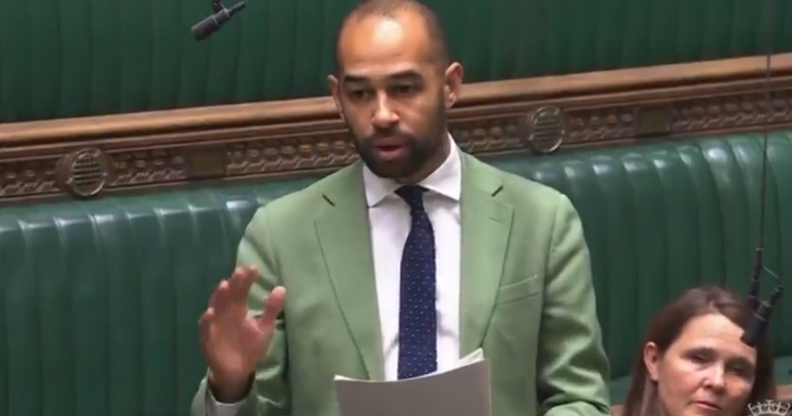
Gay MP Josh Babarinde stood up for trans people in parliament. (UK Gov)
A Liberal Democrat MP perfectly explained in parliament why the Equality and Human Rights Commission’s (EHRC) leaked draft single-space guidance is “unworkable” in practice.
The draft update to the human rights watchdog’s Code of Practice – which was put together following April’s controversial FWS v Scottish Ministers Supreme Court ruling that decided the legal definition of the protected characteristic of ‘sex’ does not include trans people – was submitted to equalities minister Bridget Phillipson in September.
Immediately following the court verdict, the EHRC published interim guidance which outlined clauses recommending businesses, organisations and service providers to ban trans women from female facilities and trans men from male facilities, alongside stating in “some circumstances” trans people could be prevented from using spaces based on “biological sex”.
It was later clarified these “circumstances” referred to situations where “reasonable objection” could be taken to a trans person’s presence, such as in female spaces when “the gender reassignment process has given [a trans man] a masculine appearance or attributes”.
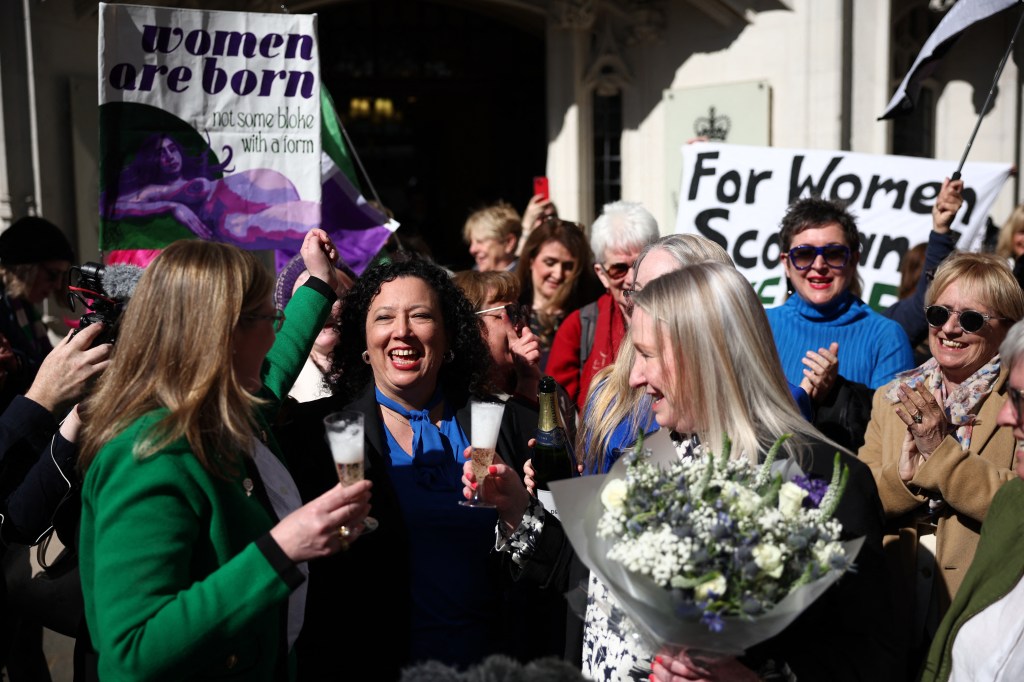
Gender-critical campaigners view the Supreme Court ruling as a landmark victory but trans, wider LGBTQ+ and human rights groups – as well as some MPs – have warned finalised guidance based on the ruling could result in a sweeping bathroom ban for trans people.
Despite criticism, a leak published in The Times showed it closely resembled the interim version, with later leaks – published on Trans Day of Remembrance (20 November) – suggested service providers will be given the right to ban people from gendered facilities based on their appearance alone.
The final version has not yet been made public but the interim guidance has been removed from the EHRC website.
Speaking in parliament about this, Eastbourne MP Josh Babarinde – who adorably proposed to his partner in the House of Commons earlier in November – said the suggestion that people can be challenged based on their looks is “shocking”.

“This would unacceptably result in trans, non-binary, and potentially anyone, being questioned because of how they look and would be unworkable for businesses and service providers,” he said.
He asked the government when it would put in place a “workable and inclusive proposal” before parliament “so the Liberal Democrats can protect hard won rights and dignity”.
Thank you, @JoshBabarinde for pressing the government on today's appalling leaked EHRC proposals. It is both sickening and predictable that they should leak on Transgender Day of Remembrance. Thank you for committing the @LibDems to standing up for our rights. pic.twitter.com/HEcofbzUjQ
— LGBT+ Lib Dems 🏳️🌈🏳️⚧️ 🔶 (@LGBTLD) November 20, 2025
In response, Sir Alan Campbell, Leader of the House of Commons and Lord President of the Council, said: “The Government respect the court judgment.
“This is a serious matter, and there are clearly different views on it, but the Government are absolutely committed to bringing forward proposals at the earliest opportunity and giving the House an opportunity to discuss them.”
The notion that people can be excluded from spaces based solely on how they look has been widely criticised – with some GC’s even expressing on social media that they feel nervous about being questioned in bathrooms and changing rooms.
Trans+ Solidarity Alliance founder Jude Guaitamacchi said if such leaks were true then the Code of Practice would amount to a “misogynist’s charter”.

“The leaks reveal that not only does the EHRC’s proposed code of practice seek to require trans exclusion, it instructs service providers to police this based on appearance and gender stereotypes,” they said.
“This is a misogynist’s charter, plain and simple, and the government must reject it.”
Green leader Zack Polanski also lambasted the idea, writing on X: “This is awful and beyond the realms of what anyone would see as basic decency for human beings.
“It’s awful not just for trans people but for anyone who doesn’t present with narrow stereotypes of femininity and doesn’t want the state policing women’s appearance.”
Trans people have long warned that policing gender based on appearance would also impact cis people, particularly those who do not conform to gendered norms of womanhood, such as butch and masc lesbians.
Despite this, recently a spokesperson for anti-trans group LGB Alliance claimed concerns that the EHRC’s restrictive provisions would extend to all people were just “silly speculation”.
“Those of us who don’t conform to hair and clothing stereotypes have occasionally been politely ‘challenged’. This is nothing new. A smile and quick vocal reassurance is all it takes for people to realise what sex we are,” they claimed.
However, there is already evidence that the Supreme Court ruling and the EHRC’s interim and draft guidance is negatively impacting gender non-conforming individuals, with report from TransActual published in August highlighting the experiences of huge swathes of cis, trans, and intersex people who have been wrongfully denied access to gendered facilities based on their appearance alone.
One person, a cisgender butch lesbian, said they “currently sport a short haircut that some would define as masculine” and also wear masculine clothing and was by another toilet user in the female facilities that she was “not allowed” to use it.
“I felt invalid and embarrassed. I am painfully aware my experience was a glimpse of what the trans community are suffering every day. Going forward I will be more hesitant and anxious about using public toilets, but I will continue to do so. It’s sad that at 47 I’m back to my life and appearance being a political statement in the UK,” they said.