
Trans boys can join Girlguiding under new policy, organisation confirms
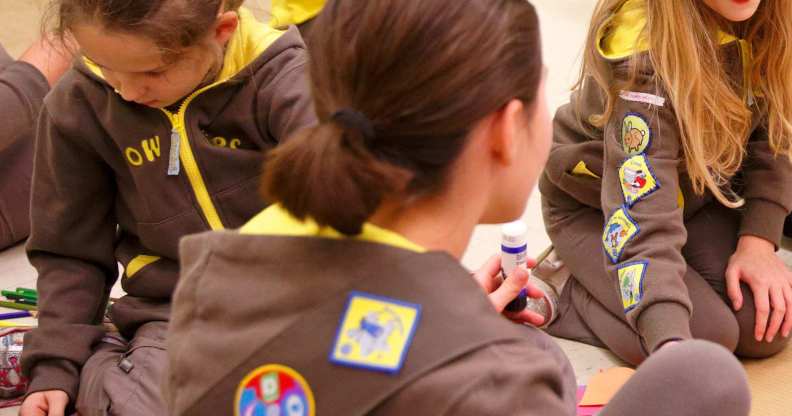
While trans girls have been banned from Girl Guiding, trans boys have not (Max Mumby/Indigo/Getty Images)
Following a new ban on trans girls getting involved in Girl Guides, Girlguiding has confirmed the ban does not apply to trans boys.
National governing charity Girlguiding, which oversees girl guide groups in the UK, announced on Tuesday (2 December) it had made the “difficult decision” to ban all trans girls from its groups, citing the controversial Supreme Court ruling on the legal definition of ‘sex’.
Condemnation of the decision has been wide-ranging and swift, with a petition published just hours after the announcement already amassing thousands of signatures.
The organisation first allowed trans girls to join its guiding groups, which includes Rainbows, Brownies, and Guides and Rangers, in 2017 after passing new guidelines aimed at supporting “all girls and young women”, with the chief executive at the time, Julie Bentley, saying the rule change meant Girlguiding would “welcome any young person who self-identifies as a girl or young woman”.
However, Girlguiding’s Board of Trustees has subsequently reversed this trans-inclusion policy following “detailed considerations”, “expert legal advice” and feedback from members, outlining in its updated equality and diversity policy that it will only accept “biologically female” members regardless of “however they identify” as this is “in line with the Equality Act 2010 definition”, as per the Supreme Court ruling.

The update concerns new members applying to become part of a girl guiding unit, with the organisation stating there will be “no immediate changes for current young members” and “more information will be shared next week” regarding those already involved in the organisation.
Following the announcement, PinkNews approached Girlguiding to clarify if transgender boys can become members, despite the organisation being one for girls and women.
“In line with the Equality Act 2010 definition, girl and woman refers to those who are biologically female (however they identify). If someone’s biologically female they can join,” a spokesperson for the organisation told PinkNews on email.
The Supreme Court judgement, which was handed down in the case of For Women Scotland vs Scottish Ministers in April, ruled the definition of “sex” for the purposes of the 2010 Equality Act means “biological sex” only and excludes trans people.
In the wake of the decision, the Equality and Human Rights Commission (EHRC) – the UK’s human rights watchdog – published interim guidance which recommended organisations, businesses and service providers prevent trans men and women from using single-sex services and spaces, such as changing rooms and toilets, which aligned with their gender. It also added in “some circumstances” trans people could be barred from spaces that align with their “biological sex” as well.
The EHRC later clarified these “circumstances” referred to situations where “reasonable objection” could be taken to a trans person’s presence, such as in female spaces, when “the gender reassignment process has given [a trans man] a masculine appearance or attributes”.
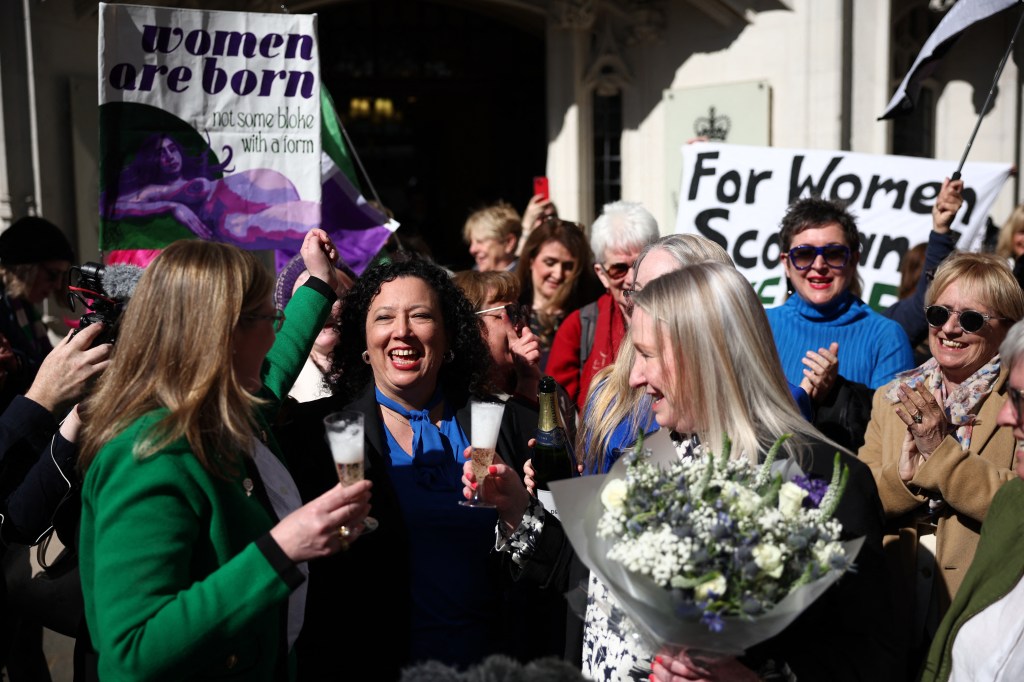
The ruling and interim guidance were viewed as a win for women rights by gender-critical campaigners but have been widely criticised by trans, LGBTQ+ and wider human rights organisations, all of which warned such measures could lead to the “widespread exclusion” of trans people from public life.
The EHRC sent the finished version of its code of practice to equalities minister Bridget Phillipson in September and a leak published in The Times showed it closely resembled the interim version, despite the criticism. The final version has not yet been made public but the interim guidance has been removed from the EHRC website.
Despite the ban on trans girls taking part in Girlguiding, the organisation said in its statement that adult roles, such as district helpers and administrative support, are open to all and so it is “confident that no volunteers will have to leave the organisation”.
“This is a decision we would have preferred not to make, and we know that this may be upsetting for members of our community,” the organisation said.
“Girlguiding believes strongly in our value of inclusion, and we will continue to support young people and adults in marginalised groups,” it added. “Over the next few months, we will explore opportunities to champion this value and actively support young people who need us.”