Eurovision’s first trans winner Dana International slams boycott of 2026 contest

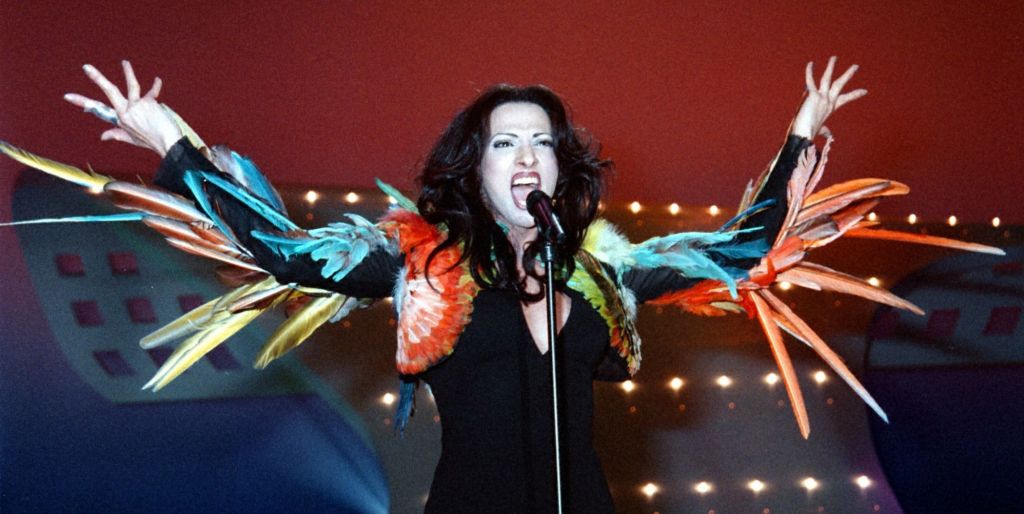
Dana International has slammed the Eurovision 2026 boycott. (Getty)
Dana International, the first publicly transgender winner of the Eurovision Song Contest, has slammed the “violent and insulting” decision by some countries to boycott the 2026 contest.
Last week, the national broadcasters for Ireland, the Netherlands, Spain and Slovenia confirmed that they would not compete in Eurovision 2026. Iceland’s broadcaster will meet on 10 December to decide whether the country will participate.
The decisions came after a vote by European Broadcasting Union (EBU) members on Thursday 4 December regarding proposed new rules for the contest, which effectively meant Israel would be allowed to compete in next year’s contest.
Israel’s inclusion in the song contest has been contentious for several years, due to the country’s military action in Gaza.
In a post on Instagram, Israeli pop singer Dana International – who made history as the first trans woman to win Eurovision in 1998, representing Israel – hit out at those countries who would be boycotting the competition.
Addressing the four abstaining countries directly, Dana International wrote that she had performed in them “numerous times” and had been welcomed “with warmth and love as she sang “a message of equality, acceptance, human dignity, and the basic rights of every person”.
The musician added that Israel is “the only country” in the Middle East that “is this liberal,” adding that Tel Aviv’s Pride event is “one of the largest in the world”.
“Beyond that, we’ve been part of the Eurovision Song Contest for many years. We try our best in the competition, and sometimes we even succeed,” she wrote.
“So, explain to me how and why you have turned against us and announced your withdrawal? You no longer want us singing with you? Do you understand how violent and insulting that decision is? How much it adds only hatred and harm?”
The 56-year-old “Diva” singer added that “a large part of the people in Israel do not agree” with the Israeli government, but urged Ireland, the Netherlands, Spain and Slovenia not to “punish an entire country because you disagree politically with its government”.
“The unbearable war that went on far too long has ended. It is legitimate to criticize it and to resent how long it lasted,” she wrote, referencing the UN-endorsed Gaza ceasefire plan which was signed in October of this year.
“Nevertheless, it must not be forgotten that Israel is a country fighting for its existence, trying to balance security challenges with sanity and liberal values, things that are not well accepted in the region we live in. Hamas executes people for being gay. Almost every Eurovision winner would have been hanged in the town square in Gaza,” she continued.
She went on to state that by abandoning Eurovision 2026, countries would be harming “the very idea of peace” as well as Israel and “the contest itself”.”
“I believe this decision will be reversed, and that we will all celebrate together at Eurovision with this message of equality, love, and acceptance, and with the music that brings people together. Because that is what Eurovision is truly about,” she rounded off.
The four countries to pull out of Eurovision made their intentions clear back in September, with Ireland’s broadcaster stating that “participation remains unconscionable given the appalling loss of lives in Gaza and the humanitarian crisis there which continues to put the lives of so many civilians at risk”.
Former Eurovision stars, including Bambie Thug, Nemo, and Mae Muller have expressed their wish that Israel is excluded from Eurovision.
At this year’s contest, Israel’s entrant Yuval Raphael landed in second place – below the winner, Austria’s JJ – with her song “New Day Will Rise”. She won the televoting section of the contest, which led to allegations that Israel had unfairly boosted the singer’s votes.
At last Thursday’s vote, the EBU backed new rules that would prevent governments from organising “disproportionate” voting campaigns for their acts.
Eurovision 2026 will take place in Vienna next May.
Share your thoughts! Let us know in the comments below, and remember to keep the conversation respectful.