
The fight to keep LGBTQ+ venues from disappearing is on
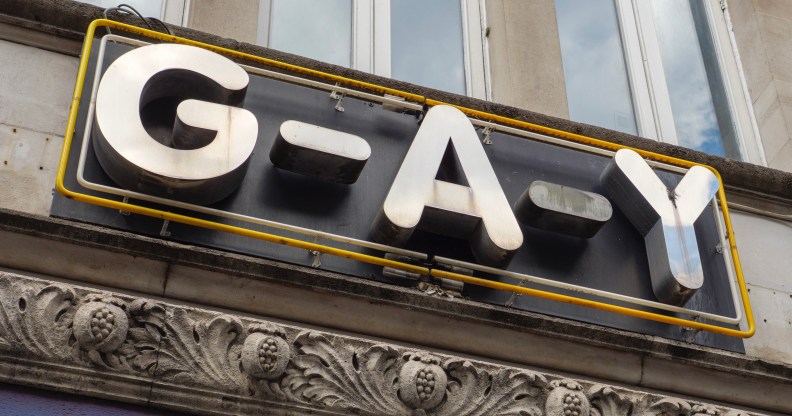
G-A-Y sign outside the venue in Old Compton Street. (Getty)
It’s impossible to say how many firsts were had within the walls of G-A-Y Bar on Old Compton Street. An innumerable number of LGBTQ+ people, young and old, will have flocked there from far and wide over the years to have perhaps their first experience of a gay bar, maybe even their first alcoholic drink, as well as their first taste of a different, brighter, queerer life.
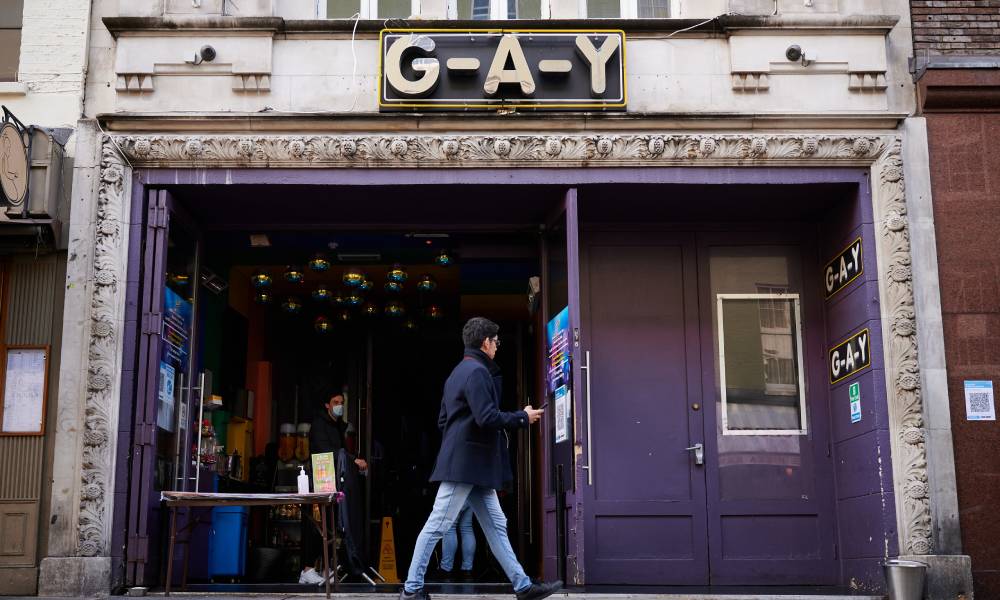
Sadly, the many years of late nights, gigs, and one-night love affairs were ended when G-A-Y Bar shut its doors for the last time in early October. It followed an announcement by the venue’s owner, Jeremy Joseph, that for many felt like the end of an era.
The closure of G-A-Y Bar, after G-A-Y Late’s closure in 2023, lays bare an issue that’s been bubbling away for quite some time: London’s LGBTQ+ venues are disappearing. In 2017, the University College London’s Urban Labs reported that the number of LGBTQ+ venues in London had fallen by 58% between 2006 and 2017 from 125 to 53. A few years later, in early 2024, the number of LGBTQ+ venues was reported to have fallen by 61% between 2007 and 2017, according to the Mayor of London. Numbers have since stabilised.
And the picture isn’t much rosier for non-LGBTQ+ spaces, with some predicting that London’s nightlife venues could be reduced by 50% come 2030. The economic realities of running a hospitality business don’t discriminate with rises in National Insurance contributions and an increase in minimum wages among many of the increasing costs facing pubs, clubs and bars.
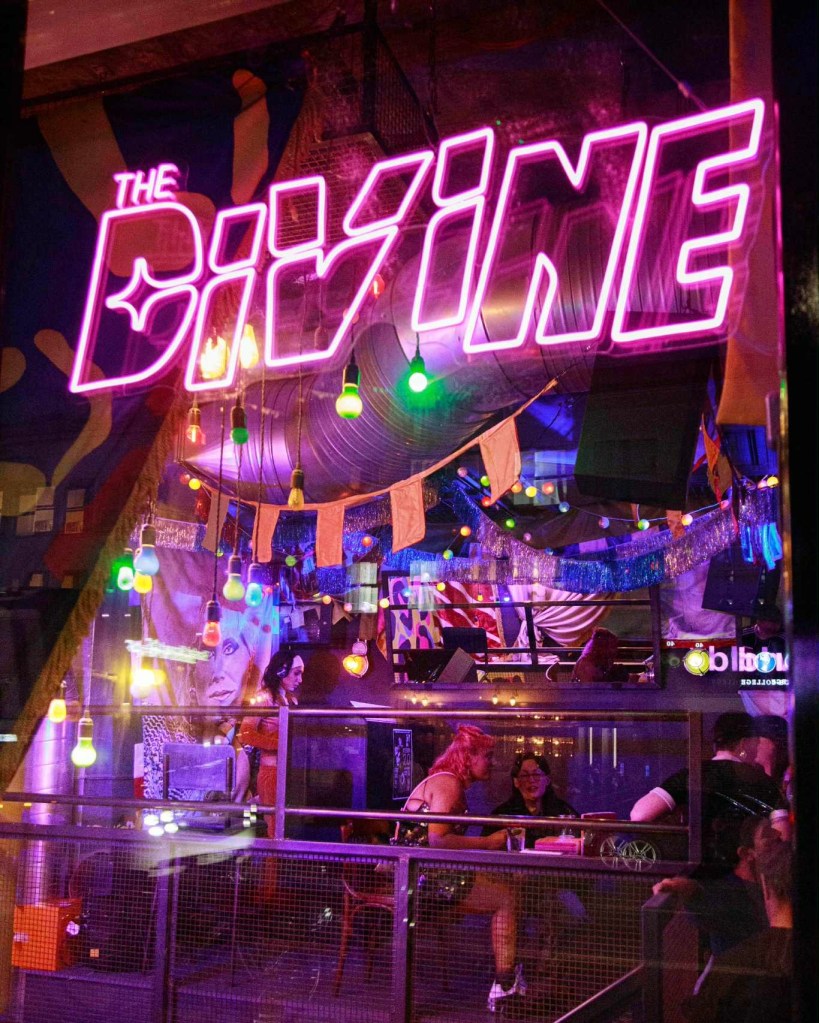
But business costs are just one problem facing LGBTQ+ venues. “People don’t have the disposable income to go out and spend so much,” laments John Sizzle, the Managing Director of The Divine and formerly of The Glory and stalwart of the capital’s LGBTQ+ nightlife scene.
“The younger folk are spending all their money on rent,” he continues. A common conversation among millennials, the state of the housing market is also a frightening one recognising the reality that home ownership in the city is unaffordable for many due to the cost of living and a lack of sufficient wage growth. Some research suggests people are even paying more than 60% of their take-home pay on rent, double the recommended amount.
In light of the cost of living these days people are understandably spending less on going out. And between that, wage stagnation, and rising business costs, “a perfect storm” faces hospitality, argues Sizzle.
Echoing much of this is David Ian, the Director of the Milli Group behind the Queer Comedy Club and the bar, Betty and Joan’s. As well as rising costs, his business is dealing with “constantly competing with lots of other things that are not necessarily LGBT specific, but appeal to the same market”.
One way people are trying to mitigate the challenges is offering more experiences. The trouble is, as Ian points out, with everyone doing that there’s a “constant oversupply of events for people’s time”. Ian also highlights another factor, the adverse reaction of the greater acceptance of LGBTQ+ people: queer people no longer feel the need to go to LGBTQ+ specific spaces.
Lazare Lazaro, one of the directors of Black Cap Community group currently in the process of reopening the iconic LGBTQ+ venue concurs. The latest update was they were hoping to be open last December. That’s been delayed but things are now going “in the right direction”. The state of LGBTQ+ nightlife and hospitality is a concern on the group’s mind as a venue yet to open, though they’re optimistic customers will return.
“There’s more to a venue than just declaring that you’re a gay venue,” offers La Camionera’s Alex Loveless. Opened in May 2024 after starting life as a pop-up, the Lesbian bar has found itself in a unique position of having a community desperate for a new space and willing to throw their support, emotional and financial, behind it.
By the end of 2023, She Soho was thought to be the only Lesbian bar in London, with two others in the rest of the UK. Tens of thousands were raised within hours of a crowdfunding campaign going live to find a suitable, permanent home.
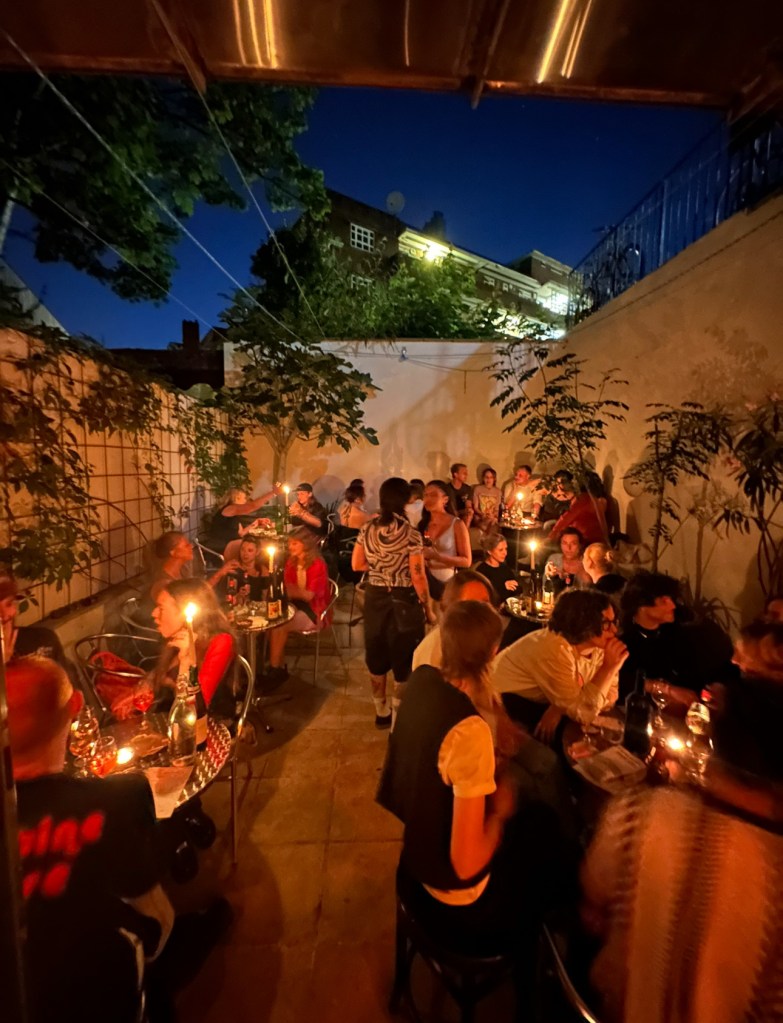
Loveless thinks La Camionera is a sign of things to come. “Things are becoming more specialised, more subcultural rather than just blanket gay bars.” Like many, La Camionera has taken financial hits, but they count themselves lucky between having “good landlords” and “reasonable rent” and a supportive customer base – “optimum conditions” – that mean they’re enduring the tough winds set upon hospitality.
Still, it’s a struggle. “We don’t really make a profit,” Loveless shares. “I’m the owner, and I take whatever might happen to be left and it’s, like, enough.”
The idea that LGBTQ+ venues have to be about more than drinking is a common one. It’s something that comes up with Isabella Lewis, the Vice-Chair of the Friends of the Joiners Arm group who are aiming to bring back the vibe of another iconic LGBTQ+ space to a new setting in Hackney in the new year, “all things being well”.

“We’re very rooted in the legacy [of The Joiners Arms],” says Lewis. “But we’re also committed to responding to the needs of the community now.” Being a community group brings “multiple benefits” to the cause, explains Lewis.
The campaign is deep rooted in the LGBTQ+ community as well as the Hackney community responding as much as possible to the needs of both. Lewis hopes that the fully wheelchair accessible space will be used by community groups, such as homelessness and refugee charities, as a hub to meet, organise, celebrate and provide services like drop-in advice clinics. The Black Cap aims to do something similar.
“It’ll be an interesting time to open a new pub,” Lewis says after conceding that FOTJA is wary of the troubles facing nightlife. But they go on to explain that opening a new space isn’t about making money. “If we were just about making a successful pub that makes a profit, we wouldn’t be opening. It’s a terrible time to do it. It’s about providing the space that isn’t available to a lot of people in our community.”
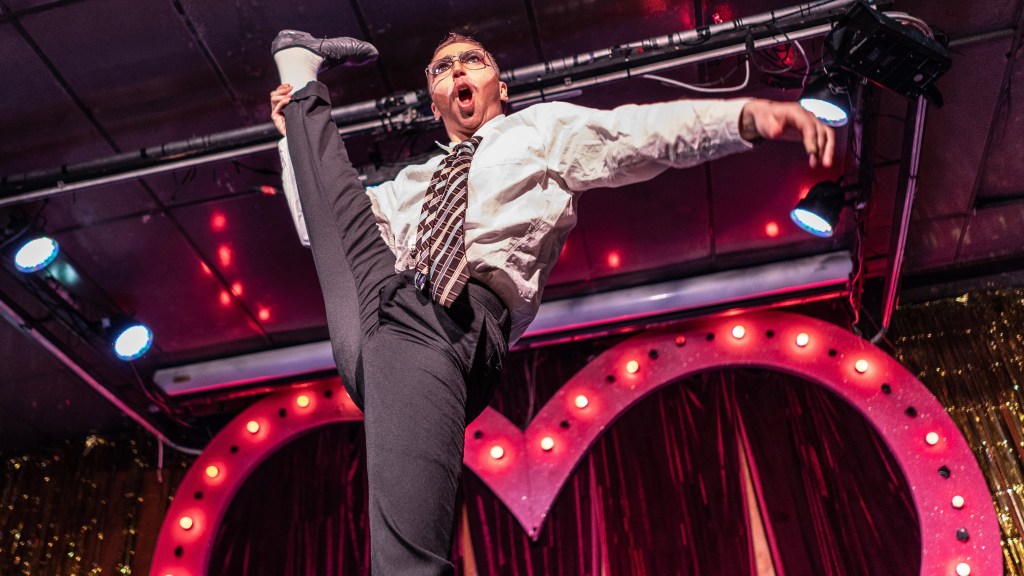
Similarly, The Divine looks to its programming to offer a range of experiences. Sizzle says there are nine events a week at the venue from quizzes to cabaret shows. As with The Glory, The Divine’s owners provide a vital space for alternative and emerging drag artists and performers to experiment outside of central London.
“Hopefully, drinks sales come off the back of that,” Sizzle remarks. “We’d essentially be empty if we didn’t have that going on… and it’s not just our venue.”
Sizzle does make a valid point of highlighting what he terms a “healthy” club scene with people wanting to spend what disposable income they do have on occasional and usually mobile club nights these days. But these aren’t always taking place in queer venues, which leads to a necessary distinction between nightlife and venues. While LGBTQ+ venues appear to be stagnating if not still in decline, LGBTQ+ nightlife lives on.
There appears to be little in the way of grants and support schemes businesses can apply for. With the exception of The Divine, who received Covid-19-era grants from Arts Council England to stay afloat, queer venues have been able to access little in the way of financial help.
When asked, The Mayor’s office pointed PinkNews to a scheme to support businesses “at risk” of closing, but most business owners felt it was an intervention that would come too late.
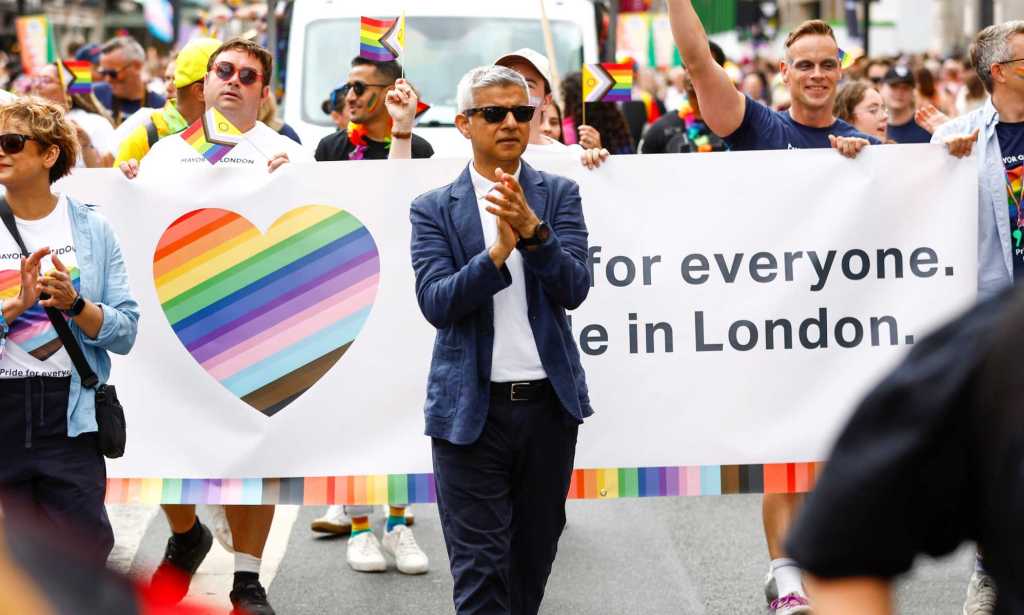
In February, the Mayor of London announced the creation of the Independent Nighttime Taskforce to support London’s nightlife. Including a range of voices, including queer ones, the Taskforce was to spend six months analysing the issues facing nightlife and recommend ways to ensure the nightlife scene’s survival.
By the beginning of December, nearly 10 months on from being announced, only two of the business owners PinkNews spoke to knew of the Taskforce, but only one had heard from it.
Sadly, the idea of the Taskforce is met with wary optimism. La Camionera’s Loveless hopes it won’t be as “vague” as the former night czar, Amy Lamé. He also hopes it will go some way to reducing the “Kafka-esque” nature of licensing laws. New powers granted to the Mayor of London in April should help with that, a move business owners have welcomed.
“The fact that they’ve set up a task force feels positive,” says Ian of the QCC. “The fact that I didn’t even know about it and they’ve not contacted us possibly suggests that nothing’s happening…” Invited to the Mayor’s Pride reception at Outernet earlier this year, Ian was disappointed with the lack of engagement with businesses, feeling instead “like I’ve accidentally been involved in some sort of pink washing”. He’s hoping for more in the future.
FOTJA’s Lewis echoes this precarious sense of hope and warns: “I don’t think it will be a silver bullet.” Sizzle is also sceptical as to what meaningful change the Taskforce can bring and doesn’t see it as an answer to the industry’s financial problems.
A spokesperson for the Mayor has told PinkNews: “London’s LGBTQI+ venues are at the heart of our capital’s nightlife and are crucial to London’s standing as a beacon of inclusiveness, acceptance and diversity around the world. The Mayor pledged to do all he can to protect these vital venues and he is proud to have helped stem the significant decline in the decade before he was elected.”
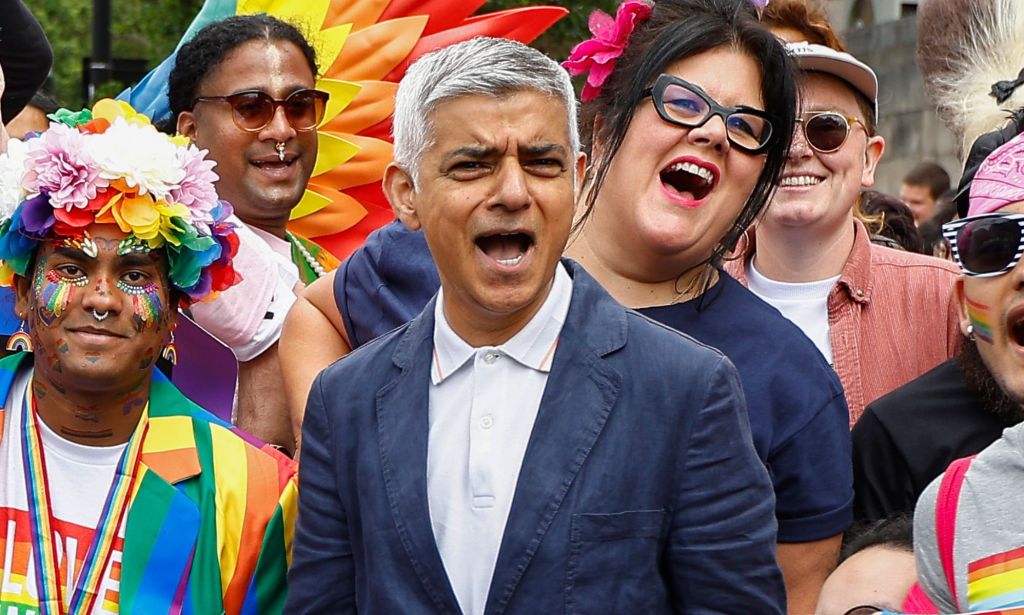
Regarding the Taskforce, the spokesperson said the Mayor “looks forward to receiving their recommendations and receiving new licensing powers from Government that will help him further support the capital’s nightlife, as we build a better and fairer London for everyone”.
Generally, the outlook on the state of queer venues is a mixture of optimism and concern. Threats loom large while relief remains elusive. As Sizzle comments: “This isn’t going away.”
However, one thing that is clear is that queer nightlife will continue regardless. The opening of other LGBTQ+ venues in the last couple of years such as The Rising in Southwark and The Arzner in Bermondsey, as well as the efforts of the Black Cap Community and FOTJA demonstrates an enthusiasm by the community to ensure there are spaces for queer people. “You can’t eradicate culture just because there’s a depression going on. It always comes through,” says a defiant Sizzle.
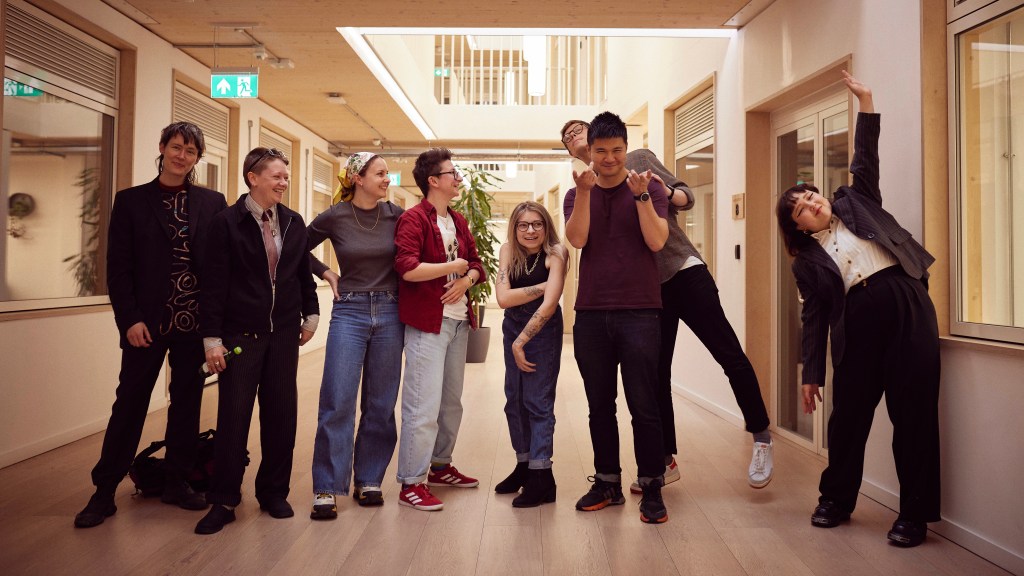
Lewis from FOTJA picks up. “It’s a struggle and it can be brutal and there’s a lot we are confronted with. Sometimes the outcome might mean that queer nightlife looks different, but we’re definitely not going anywhere. There’s always going to be queer nightlife because there’s always going to be reasons to celebrate queerness. And if any group are going bend ourselves into weird shapes to make sure that we’ve always got a space, then it’s us.”
Ian similarly holds fast to the resilience of the queer community though caveats “it would be really nice if we were cultivated more” by the powers that be as well as people in the community. “People need to get out and use their spaces,” he says plainly. Sizzle agrees, pointing to a good amount of lip service about saving queer spaces “but they don’t actually participate in that. People talk a lot of nonsense.”
Share your thoughts! Let us know in the comments below, and remember to keep the conversation respectful.