
Wicked novel banned in Utah for ‘sensitive’ material: ‘Censorship makes schools more dangerous’
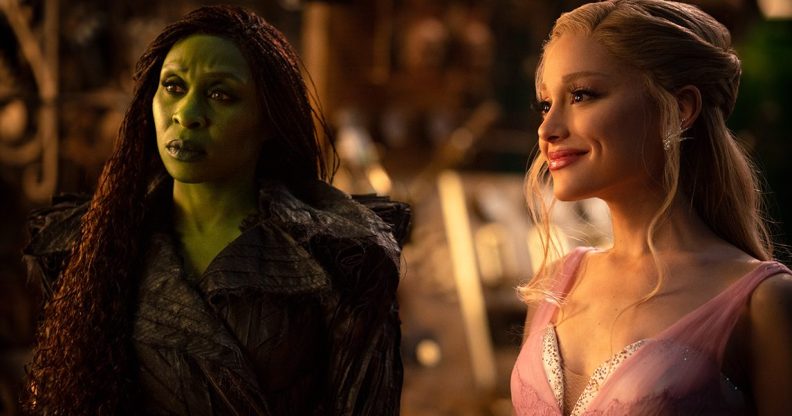
The novel behind Wicked has been banned in Utah. (Universal Pictures)
Wicked: The Life and Times of the Wicked Witch of the West, the novel which inspired Wicked the musical and subsequently Jon M. Chu’s epic cinematic adaption Wicked and Wicked: For Good, has been banned in Utah.
The 1995 book by queer author Gregory Maguire has been banned by the Utah State Board of Education due to “objective sensitive material”, under the state’s Sensitive Materials Law.
The Utah State Legislature defines “objective sensitive material” as content which “constitutes pornographic or indecent material”.
Utah’s Sensitive Materials Law, originally passed in 2022 and updated in 2024, enables the state to remove on a whim any books that it deems to be inappropriate for school-age children.
Unlike the musical film adaptation, which stars Cynthia Erivo and Ariana Grande as frenemies-turned-friends-turned-frenemies-again Elphaba and Glinda respectively, Wicked: The Life and Times of the Wicked Witch of the West does feature explicit and dark scenes including sexual assault.
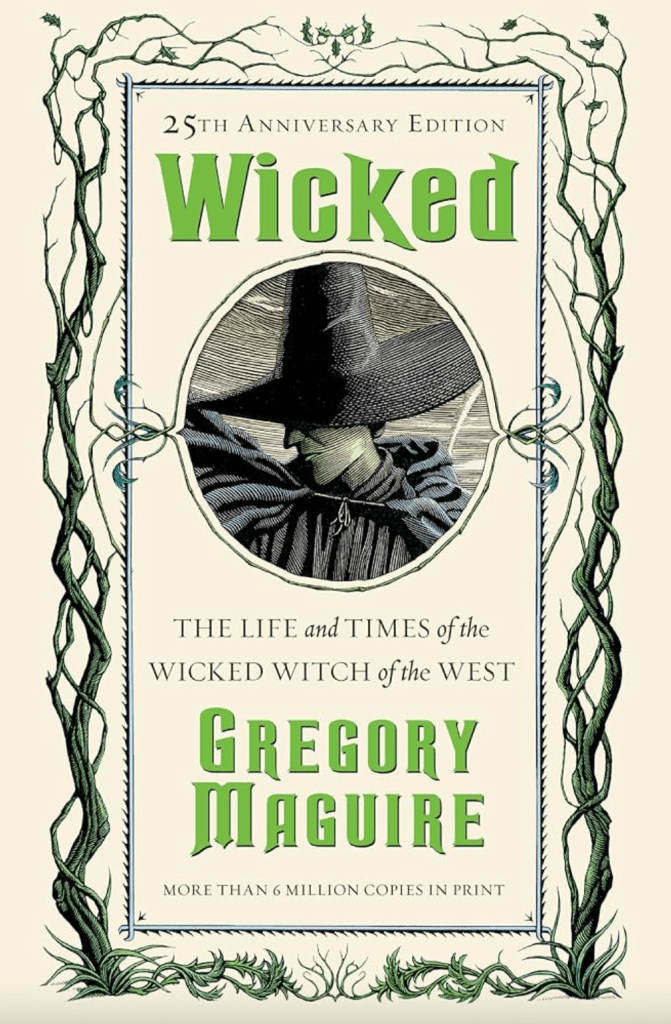
Maguire’s Wicked was added to Utah’s banned books list on 5 January, alongside Nineteen Minutes by Jodi Picoult, andThe Perks of Being A Wallflower by Stephen Chbosky. The latter, which was adapted into the eponymous 2012 film starring Emma Watson and Logan Lerman, features closeted gay characters Patrick and Brad.
The list of banned books in Utah includes 22 titles in total, including Maragret Atwood’s Oryx and Crake and Rupi Kaur’s Milk and Honey.
In response to the increasingly widespread banning of books in the solidly Republican state, the American Civil Liberties Union (ACLU) filed a lawsuit in the US District Court for the District of Utah. The filing is on behalf of the Estate of late, Slaughterhouse-Five, or The Children’s Crusade: A Duty-Dance with Death author Kurt Vonnegut, award-winning novelist Elana K. Arnold, Ellen Hopkins, and Amy Reed, and two anonymous high school students, Penguin Random House reports.
“The right to read and the right to free speech are inseparable,” said Tom Ford, a staff attorney at the Utah branch of ACLU, via Playbill.
“The First Amendment protects our freedom to read, learn, and share ideas free from unconstitutional censorship. This law censors constitutionally protected books, silences authors, and denies students access to ideas, in violation of the First Amendment rights of students and authors alike, and must be struck down.”
One of the anonymous students included in ACLU’s legal action said that book bans “send a clear message about whose stories matter and whose do not”.
“Book bans do more harm than simply removing stories. Empty shelves cost us understanding and connection, turning schools from places of learning into systems of control,” they said.
“Censorship does not just make ideas disappear, but also makes schools more confusing and dangerous because of its chilling effect on our right to learn.”
According to PEN America, which tracks book bans in the country, almost 4,000 individual books were targeted by bans in the country in the 2024 to 2025 school year alone.
A large portion of titles banned are written by or feature themes related to minorities including the LGBTQ+ community and people of colour.
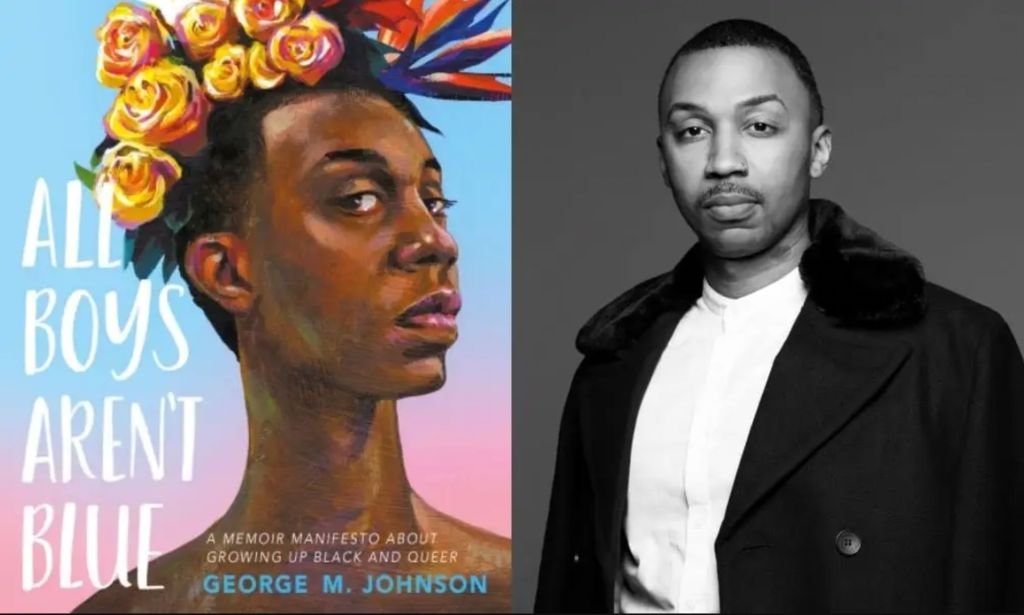
PEN America reports that Wicked: The Life and Times of the Wicked Witch of the West, by Gregory Maguire was the sixth most-banned book in the 2024-2025 year, while All Boys Aren’t Blue by LGBTQ+ author and activist George M. Johnson is the tenth most-banned.
Breathless by Jennifer Niven, which features an LGBTQ+ side character, is the second most-banned novel, while A Clockwork Orange by Anthony Burgess is the number one most-banned book in US schools.
In 2024, Chu’s Wicked adaptation was pulled from cinemas in Kuwait reportedly due to the numerous LGBTQ+ cast members who feature in the film. However, it was added back onto cinema listings several days later.
Share your thoughts! Let us know in the comments below, and remember to keep the conversation respectful.