
Celebrity SAS: Who Dares Wins star Ben Cohen: ‘I tried as hard as I could to be a good LGBTQ+ ally’
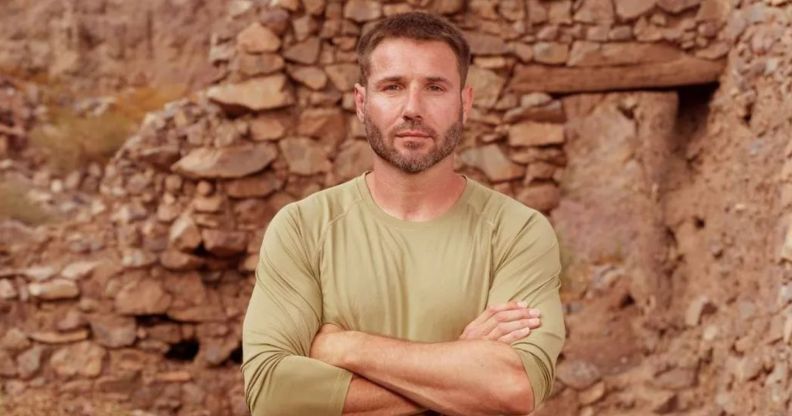
Rugby star Ben Cohen is a contestants on Celebrity SAS: Who Dares Wins. (Channel 4)
“It was a f****** hell of an experience. I’d do it again in a heartbeat, 100 per cent,” says rugby world cup champ Ben Cohen.
Cohen, now 47, isn’t on about rugby though. He’s talking about pounding Home And Away star Axle Whitehead, clawing his way through dirt tunnels in the Marrakech desert, and being forced to submerge himself underwater, holding his breath for dear life. Which brings us to his caveat. “I’d wanna quit the entire time,” he says, but yes, “I’d do it again in a heartbeat.”
The former rugby winger is a contestant on the eighth season of reality military training show, Celebrity SAS: Who Dares Wins. Though Cohen prefers not to call it a show – “it’s actually a course and it just happens to be filmed” – and the “celebrity” bit makes him wince, too. “I hate fame,” he grins, loafing on a sofa, his phone propped up on the back for our call. “I hate the s*** that comes with it. I don’t even class myself [as] anything like that anyway.”
Looking at his TV repertoire, that figures. It’s been nearly two years since his last sports-exclusive appearance on TV, for Pointless Celebrities in spring 2024. So why throw himself back into the ring, figuratively and literally, for what has become known as TV’s most unrelenting assault course? Its competitors have to complete tasks usually reserved for the actual special forces while being harangued by actual former military chiefs. Pointless Celebrities this is not.
There were plenty of reasons to say no. “You don’t want to be f****** shouted out, do you?” he laughs, then sighs, screwing his eyes up, exhausted by the memory. “I had to go into a cupboard and get a lot of old Ben out, which I kind of didn’t want to do and so that took some airing, which was, in the long run, so beneficial.”
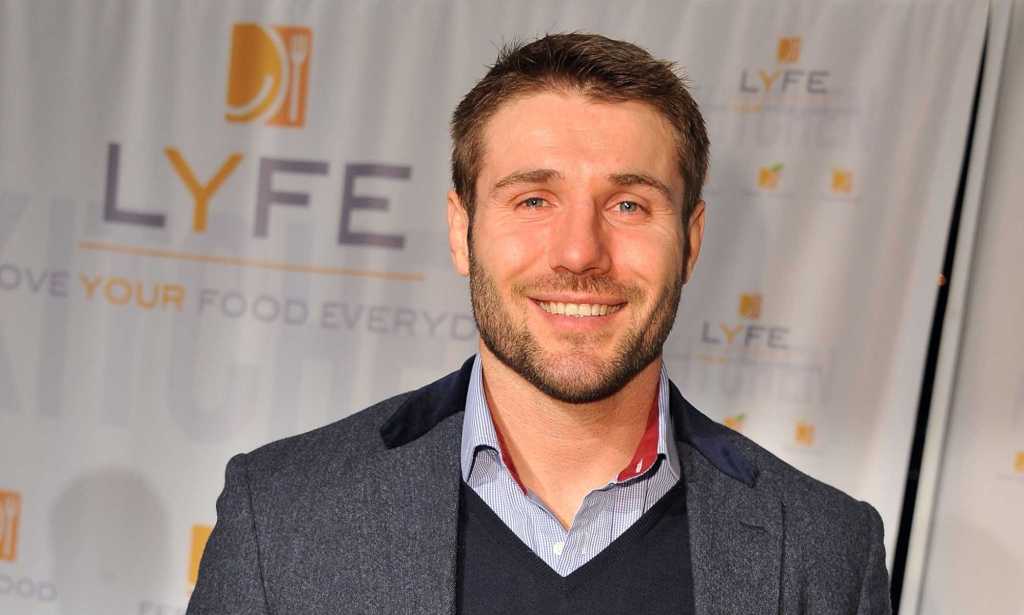
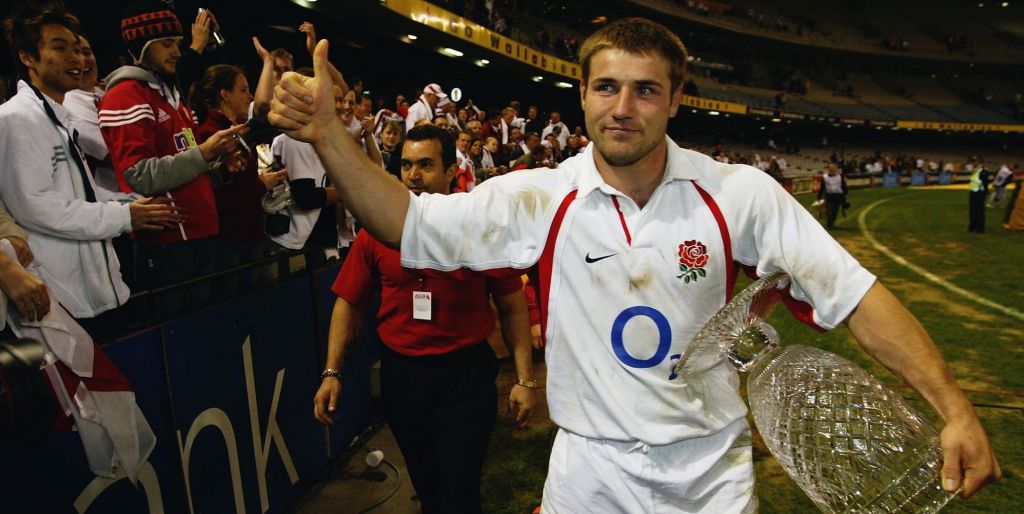
Presumably, the old Ben in question is the one who was a revered member of the indefatigable 2003 England rugby squad, who had to trade in countless training hours and the bulk of their twenties for a World Cup win. In recent years Cohen has spoken of the loneliness of retirement, which he announced in 2011 aged 32. He’s continued to be tabloid catnip, particularly down to his engagement, then split, then apparent rekindling with dancer Kristina Rihanoff, whom he met on Strictly Come Dancing in 2013.
“For me, by saying yes to the show…” – he considers the term – “and doing that course, was getting myself out of a bit of a hole. Overweight; mental health through the floor. Difficult few years like a lot of us have,” he says. When he was initially asked, he had five-and-a-half weeks to train. He sat on it for a week, umming and ahhing about the prospect of having to lock in like he once did as one of the Red Roses. “I wrestled with it. I had a real time with it. I just didn’t like it.” He grimaces. “We know what depression’s like. It can get you into a horrible, comfortable space, can’t it?”
Ultimately, and after a “meditative” 10km run, Cohen relented, hoping to “get back to a level of fitness for one, lose weight, and invest in me not just physically but also mentally”. Within the first few minutes of episode one Cohen, in full military khakis, is kidnapped, bundled across sandy plains in the searing heat, and lowered into a lake via a submarine.
“I suppose that above all else [I thought], ‘How am I going to react mentally when I get fatigue, relinquish control, anxiety, it’s relentless, it’s 45 degrees? How am I going to react under those [circumstances]?” Celebrities are notorious for dropping out of the show, frequently on day one. Those who stick with it are left with broken noses or infected boobs. “It gets harder and harder and harder every day.”
As a burly athlete who excelled in a famously confronting, all-hands-on-deck sport, some would expect Cohen to conquer SAS: Who Dares Wins with relative ease. Yet he isn’t a hallmark of typical sportsman machismo (though he looks it, as ruggedly handsome as ever on Zoom).
He was forced to navigate public grief following his father, Peter Cohen, being killed in 2000 after stepping in to protect a man being attacked, and the catastrophic event inspired him to set up an anti-bullying organisation, The Ben Cohen StandUp Foundation. In 2011, following plentiful fawning from gay men, he attended Pride in London, and began speaking out on the need for an active, anti-homophobia stance in sport.
One of the reasons behind his retirement that same year was to focus on his charity, which listed tackling homophobia as one of its main aims (it ceased operations in 2023). Considering the first publicly gay rugby union professional, Gareth Thomas, had only come out two years prior, and most sports were still in the nascent phase of tackling homophobia, Cohen’s allyship as a straight man felt fairly groundbreaking. The annual, stripped-off calendar that accompanied it, which he still makes, was simply a swoony cherry on top of the cake.
“I loved it,” he says of his campaigning work, and fundraising for LGBTQ+ organisations. “Most of my friends are gay. I’m very comfortable in my sexuality. I love being an ally in any part of life because it’s just nice to be nice, innit? Especially in the world that we are today. If you find someone you can fall head over in love with, f****** go for it.”
Clearly, his work didn’t dismantle homophobia or make sport instantly inclusive, but he’s proud of the “small part in that over here [and in] America” and how he tried to “be a role model beyond being [in] a world champion sport, a masculine sport. It was having those conversations that [we] should be having. It’s about learning and understanding differences.”
He’s less assured speaking on the exclusion of transgender women from sport; in 2022, the Rugby Football Union (RFU) banned trans women from competing in women-only games.
“It’s a minefield, so I’m going to deter from the conversation,” he says, “but in a way of this: I’d love to have a deeper conversation about it. Because when I sit back and I hear and see what’s happening around that, there’s not really been a conversation that I’ve seen that’s been adult to adult and understanding… what the differences [between trans and cis players] are, data that we would need, understanding of both sides.”
He clears his throat. It’s “frustrating”, he says, that the topic seems to go round in a perpetual cycle. “For me, I haven’t seen that, where we can have a conversation with some kind of conclusion, right, and understanding of it.” The only conclusive statement he will make is that “sport should be accessible to absolutely everybody,” he says, stressing every syllable. “How that looks is obviously what’s being determined now, and hopefully they can get to a middle ground where it’s fair across the board.”
If he had his way, he’d be the one making changes in rugby. “Out of all the advocacy work that I’ve done, not just in the workplace and in sport, you would have thought I would have had a role or a job in the rugby union or within sport around D&I [diversity and inclusion] and all that kind of stuff. But nothing ever really came knocking that way,” he says, not bitterly. “I wanted to really do something amazing within that space. But anyway, I did what I could and I tried as hard as I could to be a good ally.”
Still, the calendar persists. Every year, he’s convinced that he won’t make another, despite the demand, and every year, the photographer Leo Holden twists his arm. Surely it’s a far easier gig than jumping across rooftops in faux warfare scenarios, or trying to ameliorate woeful inclusion and diversify in sport? “While I’m in good shape,” he laughs, “I might as well do it.”
Celebrity SAS: Who Dares Wins continues on Sunday 11 and Monday 12 January on Channel 4 and Channel 4 streaming.
Share your thoughts! Let us know in the comments below, and remember to keep the conversation respectful.