
Eurovision winner Conchita Wurst distances herself from song contest: ‘I am moving on’
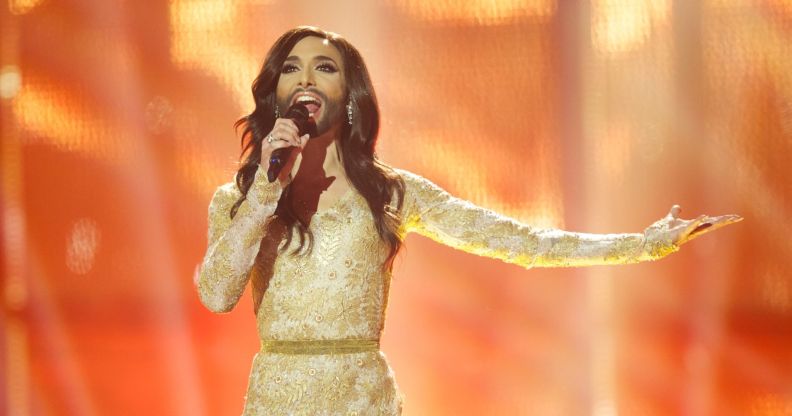
Conchita Wurst: ‘I am withdrawing from the Eurovision context.’ (Getty)
Conchita Wurst, the bearded drag performer who stormed the Eurovision Song Contest in 2014 and won it for her country Austria, has cut ties with the contest.
In an Instagram post on 13 January, Thomas Neuwirth – the man behind the Conchita Wurst persona – wrote that he would be “withdrawing from the Eurovision context” indefinitely.
“The Eurovision Song Contest has shaped my life. It was my stage, my home, my springboard, and a chapter for which I am deeply grateful,” he wrote.
“As an artist, change is my greatest constant. From now on, I am withdrawing from the Eurovision context. I am moving on to focus on other professional projects and to let new things evolve”.
The musician, who won the contest with their soaring operatic pop ballad “Rise Like A Phoenix”, acknowledged that Eurovision will always be connected to his past, but urged that he didn’t wish for it to be part of his “next steps”.
“My decision is personal and I will not comment on it further,” he continued, signing off the post with his out-of-drag name, Tom.
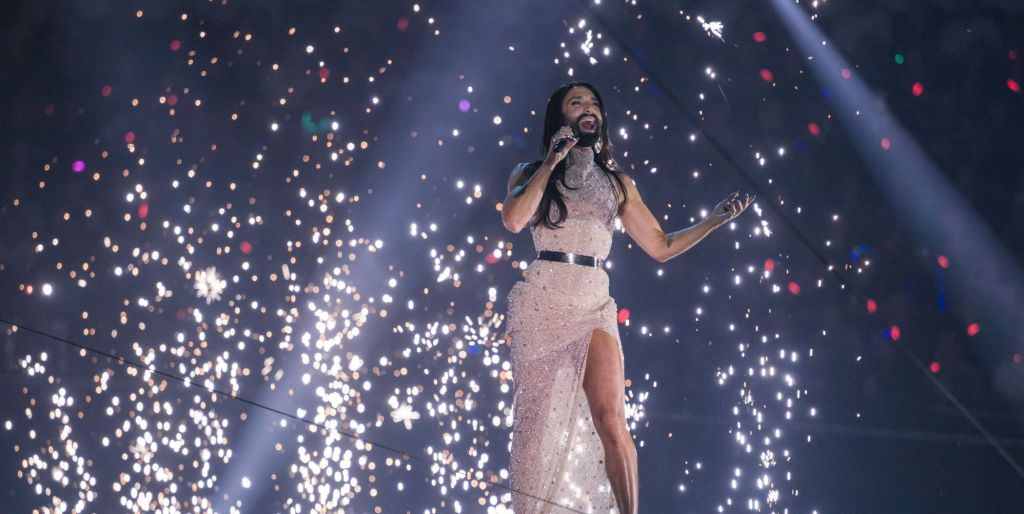
Conchita’s decision comes amid a growing boycott of the upcoming,2026 Eurovision Song Contest, which will take place in Wurst’s home country Austria in May.
At the end of last year, five countries – Ireland, Spain, Iceland, Slovenia and Netherlands – confirmed that they would not be taking part in the 2026 competition, in protest against the European Broadcasting Union’s (EBU) decision to allow Israel to remain in the contest.
Ireland’s national broadcaster RTÉ said in a statement that the country’s participation in the 2026 contest would be “unconscionable given the appalling loss of lives in Gaza and the humanitarian crisis there which continues to put the lives of so many civilians at risk”.
In December Nemo, the history-making, non-binary winner of the 2024 contest, revealed that they had sent their trophy back to the EBU headquarters, also in protest against Israel’s participation.
“Eurovision says it stands for unity, inclusion, and dignity for all. Those values made this contest meaningful to me,” Nemo wrote on Instagram at the time.
“But Israel’s continued participation, during what the UN’s Independent International Commission of Inquiry has concluded to be a genocide, shows a clear conflict between those ideals and the decisions made by the EBU.”
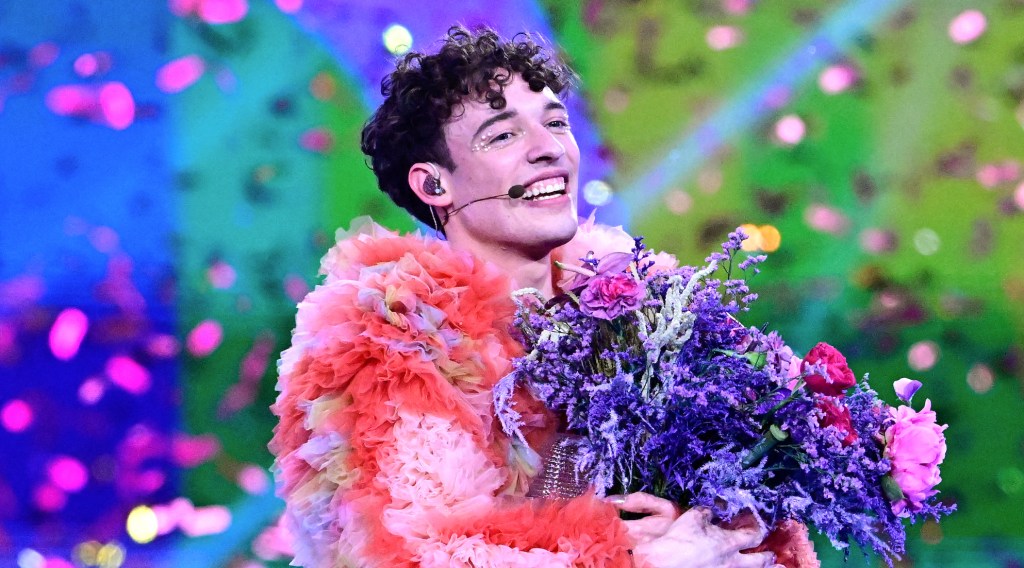
In addition to previous participants in the contest speaking out, a host of Eurovision content creators have outlined their commitment to boycotting the song contest this year.
While Conchita Wurst’s statement distancing herself from Eurovision didn’t reference the growing controversy engulfing the contest, it will no doubt contribute to what is set to be the most contentious year in Eurovision’s history.
Eurovision will mark 70 years since its inception at this year’s contest in Vienna, Austria. The contest takes place in the city after queer “Wasted Love” musician JJ won the 2025 event, beating Israel’s entrant Yuval Raphael.
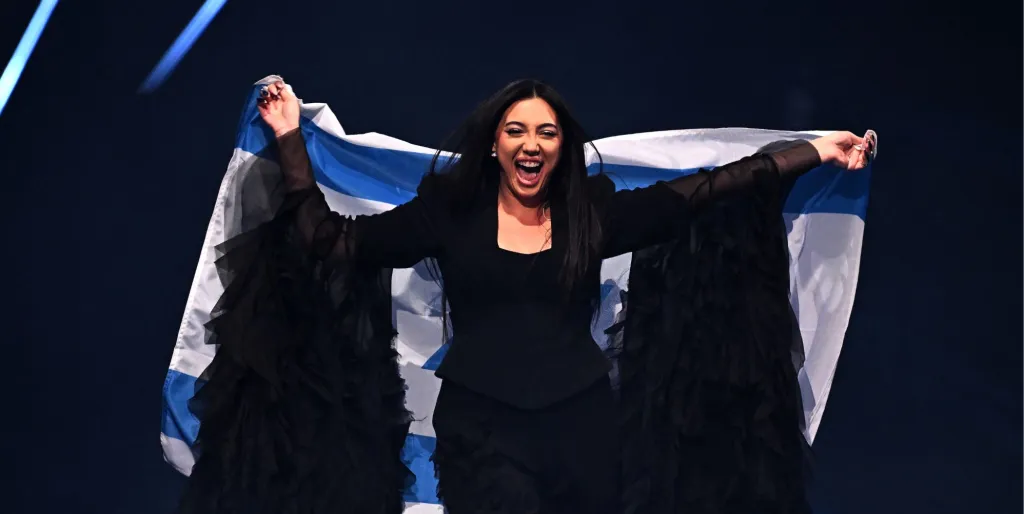
Raphael triumphed in the televote, but came 15th in the jury vote. Following the result, Israel was criticised for allegedly conducting an advertising campaign in support of Raphael, with the scandal ultimately leading to the EBU introducing stricter rules for the 2026 contest.
In December, EBU voted to bring the new rule forward, which discourages governments from organising voting campaigns for their entrants, but decided against voting on whether Israel can participate going forward.
Share your thoughts! Let us know in the comments below, and remember to keep the conversation respectful.