
NHS Puberty blockers trial violates ‘ethical standards’, healthcare bodies argue

WPATH, EPATH, and USPATH jointly expressed concerns over the NHS puberty blockers trial. (Getty)
Three of the world’s top trans healthcare organisations have expressed “significant ethical concerns” regarding the UK Government’s upcoming puberty blockers trial.
The European, World, and US Professional Associations for Transgender Health (EPATH, WPATH, and USPATH) said they believe the NHS PATHWAYS trial conflicts with “internationally recognised ethical standards”.
Commissioned in the wake of the Government’s decision to indefinitely ban puberty blockers for trans young people, the £10 million study will analyse the physical, social, and emotional wellbeing of 220 youngsters, half of which will be given puberty suppressants.
Campaigners, experts, and critics have argued the trial, which will require under-16s to undergo over 13 hours of medical assessments before being able to access treatment, is “intrusive and distressing”.
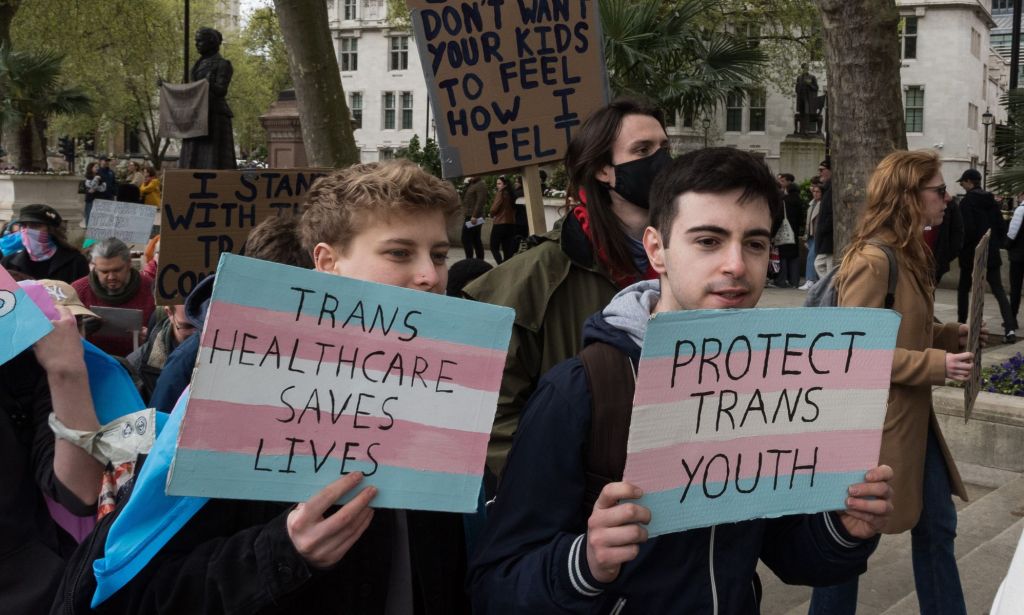
In a joint statement published on Friday (9 January), the organisations outlined five key concerns regarding the trial’s design.
Among them was the fear that the trial structure could undermine voluntary informed consent because it is currently the only way to publicly access puberty blockers in the UK.
Another expressed concerns over forcing adolescents who meet the clinical criteria for accessing puberty suppressants to wait for treatment, potentially violating “established clinical guidelines”.
The organisations further argued that the trial model centre the “lived experience” of its patients to be considered both ethically and clinically reliable.
Furthermore, they urged the UK government not to use the PATHWAYS trial’s conclusions as a “sole basis” to determine national policy decisions.
They expressed concerns that the current research structure may prioritise “research objectives over patient well-being” by delaying access to medical care.
“Ethical research must be voluntary, clinically sound, and designed with the well-being of participants at its core,” the statement reads. “We welcome opportunities for collaboration that uphold these principles and advance the health and rights of transgender young people.”
Research published last year suggested the indefinite puberty blockers ban is having “serious adverse effects” on trans youngsters.
Several young people, previously “well-adjusted” according to their parents, had developed mental health issues including depression and anxiety over the inability to access care.
Caroline Litman, the mother of trans teen Alice who took her own life while waiting for NHS care, criticised the trial, saying: “This is not health care. The old ‘watch and wait’ is how Alice was treated.”
Speaking during a Commons debate, Streeting said the Government was following “clinical advice” in upholding the puberty blockers ban and was ensuring the trial meets the “highest standards of ethics”.
There is virtually no reliable evidence to suggest puberty suppressants, which are supported by major healthcare organisations across the globe, pose a risk to trans young people. Puberty blockers remain available for cisgender young people experiencing precocious puberty.