Human rights organisation ordered to shut down days before election
(Canva)
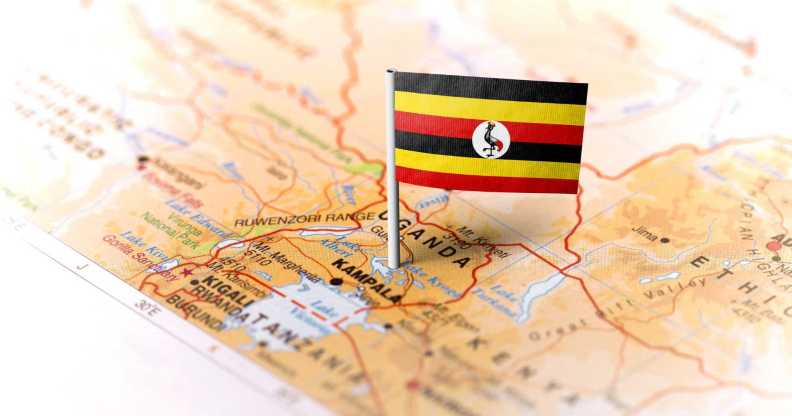
A human rights organisation in Uganda that supports members of the LGBTQ+ community was ordered to shut down by the government just days before the country’s election.
Chapter Four Uganda, which is dedicated to the protection of civil liberties and promotion of human rights – including LGBTQ+ rights – in the East African nation, had its operating permit suspended with immediate effect by the National Bureau for Non-Governmental Organisations under the Ministry of Internal Affairs.
The suspension came just days before the country’s election, which incumbent president Yoweri Museveni – who has led the country since 1986 – won with 72 per cent.
The election was marred by violence, with Museveni’s challenger Bobi Wine alleging his win was down to “fake results” and “ballot stuffing”.
Alongside Chapter Four, several other human rights organisations in the country also had their permits suspended, with the Bureau citing alleged “intelligence information” that claimed the organisation was involved in activities deemed “prejudicial to the security and laws of Uganda” – which would violate Article 42(d) of the Non-Governmental Organisations Act.
In a statement, Chapter Four expressed “concern” over the indefinite suspension.
“The suspension is based on vague allegations that we engaged in activities that are prejudicial to the security and laws of Uganda. As a law-abiding organisation, we have closed our offices and temporarily suspended our operations. We regret any inconvenience this causes to our partners and the community of beneficiaries,” the organisation said.
“We consider this suspension unjustified and are pursuing all available administrative and legal measures to restore our operational status as soon as possible.”
The human rights organisation went on to say for more than a decade it has “worked transparently in courts of law, Parliament, and communities to protect and promote human rights, advance access to justice, and strengthen the rule of law – fostering fairer societies for all.”
It added: “We remain committed to collaborating with government authorities and the people of Uganda to advance the promise of Chapter Four in the 1995 Constitution.”
This crack down on human rights organisations is worrying for LGBTQ+ people in Uganda, who are already at heightened risk following the passage of the country’s draconian Anti-Homosexuality Act – which immediately became one of the strictest pieces of anti-LGBTQ+ legislation in the world when it was passed.
The Act doubled down on already cruel sanctions imposed on LGBTQ+ people in Uganda, where same-sex sexual acts and freedom to talk about queer topics were already illegal.
The legislation still punishes homosexuality with imprisonment for up to life but also introduced the new offence of ‘aggravated homosexuality’, which carries the death penalty.
Acts defined as ‘aggravated homosexuality’ include sexual activity with disabled people, those who are HIV positive and people aged 75 and over – with consent to the sexual act not constituting a defence to a charge. This category also applies to criminal offences such as rape of a child or adult and incest.
‘Attempted homosexuality’ is also punishable by law, with a punishment of up to 10 years in prison possible, while ‘attempted aggravated homosexuality’ can be met with up to 14 years imprisonment.
Condemning the suspension of Chapter Four’s permit, Kechukwu Uzoma, senior staff attorney at the Kennedy Human Rights Center, said: “The weaponisation of vague laws and attacks on the right to freedom of association during electoral periods directly violate the right to vote.
“Such repressive actions undermine the integrity of elections and weaken democracy at its core. All stakeholders, including the African Union, must act now.”