
‘Conversion therapy did nothing to get rid of my transness,’ survivors say

Conversion therapy survivors speak about their experiences. (YouTube/Trevor Project)
Conversion therapy survivors speak about their experiences. (YouTube/Trevor Project)
Survivors of so-called ‘conversion therapy’ have opened up about the lengths to which the abusive practices traumatised them in a powerful new documentary.
Warning: This article contains first-hand accounts of abusive conversion practices and mentions suicide. Reader discretion is advised.
The third instalment of The Trevor Project’s docu-series, Sharing Space, sees six LGBTQ+ people from all walks of life, who were subjected to the harmful practice, discuss the impact it has had on their lives.
“I’m not broken. I’m not fixed. I’m just different,” trans Kentucky resident Dr Bobbie Glass, who endured conversion practices in the 1970s, told the group. “Conversion therapy did not do anything to get rid of my transness. It made me feel super ashamed. It made me depressed. It sent me into clinical depression and years of anti-depressants and suicidality.”
READ MORE: EHRC trans guidance to be changed under ‘constructive’ review, sources claim
So-called ‘conversion practices’ are acts of physical or psychological abuse, typically by religious groups, that attempt to change an LGBTQ+ person’s sexuality or gender identity, which is not possible.
While more than 20 US states currently have laws banning the practice, the majority of state legislatures have yet to consider bans. The Supreme Court is also currently considering a case that could heavily impact currently enforced bans.
Dr Glass said she was pressured to undergo conversion practices while in her 20s after sharing her feelings of gender dysphoria with her ex-wife, who then filed for divorce.
‘I’m not broken. I’m not fixed. I’m just different’
“These two Sheriffs walk into my office, and they hand me a divorce decree,” she said. “I was reading this decree, and it was like, ‘you will never see your children again.’ That just killed me, so I was like, oh my god, what can I do?”
The mother of four and grandmother of 10, now in her 70s, said she was sent to the leaders of a local church, who suggested she undergo shock therapy at her own expense.
“I start going to those and I go to these accountability meetings … I’m just working as hard as I can because I’m a willing participant in this. Like, no, I don’t want a divorce. No, I don’t want to lose my kids forever. Whatever it takes to make this go away.”
Eventually, Dr Glass realised the practice did not, and could never, work. She came out as trans and, as she put it, now lives a life “full of abundance”.
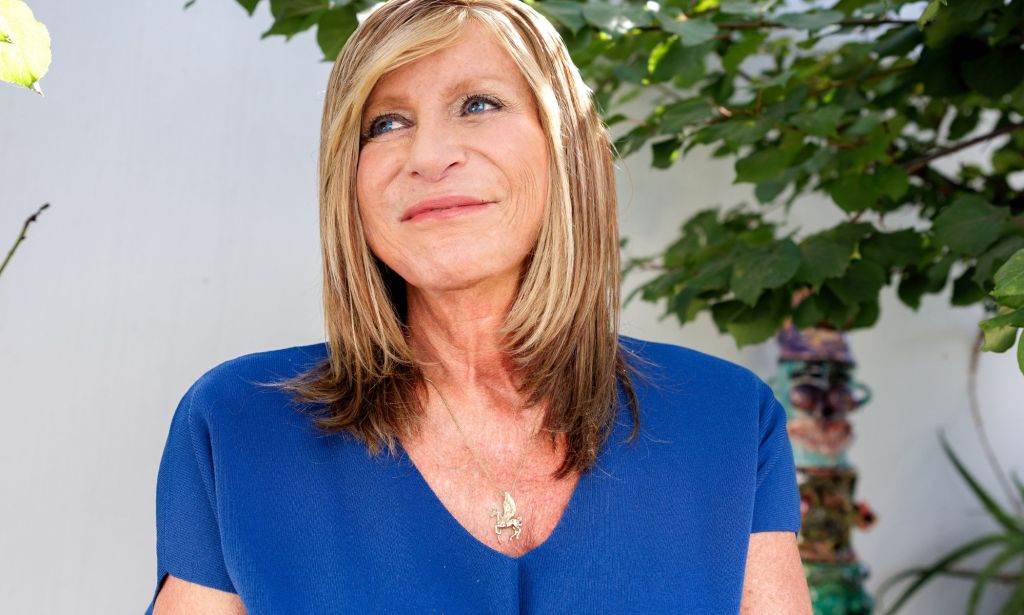
The traumatic experience didn’t come without its impacts, however. The assistant professor of Special Education said she still struggles to believe she deserves to be happy, but that she is “working through that”.
Research shows that LGBTQ+ people subjected to conversion practises are more than twice as likely to attempt suicide and nearly three times as likely to report multiple suicide attempts in a year.
Despite its clear impacts, the practice is still on the rise in the US according to The Trevor Project, which said instances of LGBTQ+ youth being threatened with abusive exercises has nearly doubled over the past year.
A spokesperson for the LGBTQ+ suicide prevention group, Nolan Scott, urged Congress to listen to the generations of LGBTQ+ people who were subjected to traumatic acts and to prevent further harm.
“Too often, political debates and news stories about this topic fail to include the LGBTQ+ people who have been subjected to conversion therapy,” Scott said. “Our goal with this episode is to show the real people, and share the real stories, behind the headlines and government actions.”
Trump pushing ‘conversion therapy’ on trans youth
Another survivor, Illinois resident Darren, noted that there had been a “subtle language shift” among conversion groups who began to platform individuals claiming that the practice had worked.
“Because it’s a social tool, it reformulates every few years, and the [practices] of 15 years ago, [conversion groups say] we’re not using those anymore, we’ve got new ones.”
Californian trans man, Syre, echoed this, saying that groups had begun adapting to political shifts in the US, particularly following Donald Trump’s inauguration last year.
“The executive order that the [Trump] administration released recently has transgender affirming healthcare up against, essentially, conversion therapy lite, where instead of doing gender-affirming care for youth, parents seek therapy elsewhere.”
Andrew from Missouri opened up about his own experiences, saying he came out to his parents at 14 years old, who heavily disapproved.
His father forced him to go to a counsellor in Kansas City who subjected him to psychological abuse three times per week for just over two months.

“I called it learned self-hate,” Andrew said. “He essentially told me to use, like, half of my brain to suppress all of these thoughts I was having, and that there was something wrong with me for having these thoughts.”
The trauma from these sessions were so intense that Andrew attempted to take his own life, which he said forced him to pretend to his parents that the sessions had worked in order to get out of them.
Four years later, he attempted to take his own life after being subjected again to conversion practice following his expulsion from an Oklahoman college over his relationship with another male student.
While in the emergency room following his attempt, Andrew said he asked his mother whether she would attend his wedding if it was another man, to which she responded: “No because that’s sin, and we do not support sin.”
The Trevor Project says it remains committed to helping survivors of conversion practices and other forms of anti-LGBTQ+ abuse, thanking the survivors who spoke up about their trauma. The Trevor Project’s Sharing Space series is available for free on the organisation’s YouTube page.
Suicide is preventable. Readers who are affected by the issues raised in this story are encouraged to contact the Samaritans on 116 123 (www.samaritans.org), or Mind on 0300 123 3393 (www.mind.org.uk). Readers in the US are encouraged to contact the National Suicide Prevention Line on 1-800-273-8255.
Share your story! Do you have an important, exciting or uplifting story to tell? Email us at [email protected]