This weekend’s National Student Pride will be the last after 21 years – due to DEI budget cuts
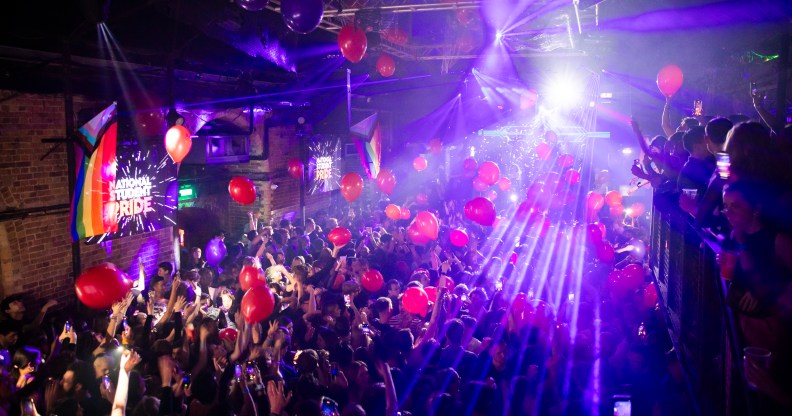
National Student Pride 2026 will its final due to DEI cuts (National Student Pride)
LGBTQ+ student event National Student Pride has announced this weekend’s festival will be its final under its current form, due to corporates slashing their diversity, equality and inclusion (DEI) budgets.
Founded in 2005, National Student Pride is the UK’s largest LGBTQ+ student event and during those two decades has welcomed thousands of students to its events, which were created to give LGBTQ+ students visibility, community, and access to inclusive employers.
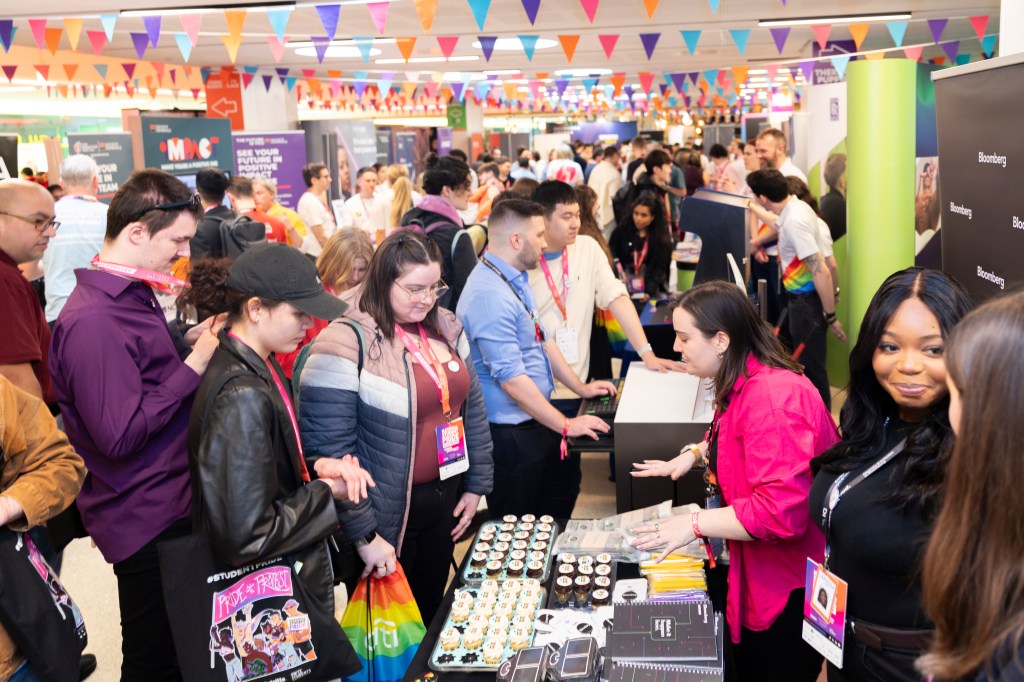
This year’s festival takes place over the weekend of 13 – 14 February, which includes a free daytime event at the University of Westminster, a panel exploring the future of trans rights chaired by Juno Dawson, and the UK’s largest Diversity careers fair.
Organisers say the decision behind the 2026 event being its final one is due to a “sustained” fall in corporate funding.
National Student Pride’s income has decreased by around two-thirds compared to two years ago, with the team behind the volunteer-led LGBTQ+ event saying this is due to widespread cuts to DEI budgets across the corporate sector.
A majority of National Student Pride is funded through its diversity careers fair, whereby reduced employer participation has had a direct impact on the organisation’s ability to continue in its current form.
Tom Guy, an original founder and a current trustee, said: “We founded National Student Pride in 2005 in direct response to a homophobic and deeply divisive talk given by a trainee vicar at Oxford Brookes University.
“We chose to respond by creating something constructive — our very first event intentionally centred on a welcoming and inclusive panel, which included both a vicar and a rabbi, to show that faith, identity and LGBTQ+ lives do not have to be in conflict.
“That founding principle — meeting prejudice with openness and conversation — has shaped National Student Pride for the past 21 years.”
In recent months the ripple effects of the Trump administration’s attacks on diversity, equality and inclusion (DEI) policies and programmes, as well as its shuttering of USAID – the world’s largest foreign aid agency which supported many LGBTQ+ initiatives around the world, including HIV prevention – have been felt more and more keenly.
Shortly after his inauguration in January 2025, Trump signed an executive order eliminating DEI programmes and policies in the US government, military and wider American society, and later claimed he had gotten rid of “the woke c***” in government. This, alongside pressure from anti-DEI campaigner Robby Starbuck, resulted in several big-name US businesses – including Walmart, Target, Ford, Lowe’s, Harley-Davidson and Jack Daniel’s – dropping their long-standing DEI policies, programmes and targets.
In response to this, research found more than half of UK businesses are changing their approach to DEI in response Trump’s state-side attacks on DEI.
Commenting on this, Philippa Dempster, senior partner at Freeths, said the truth of the matter is “that a drive for profit can significantly impact or impede ethical decision-making” and there is a “significant gap between principle and practice” where UK firms are abandoning DEI “in response to outside influence”.
It is a chilling effect that is impacting the third sector across the UK.
In January it was revealed the yearly accounts for Stonewall, the UK’s biggest LGBTQ+ charity, showed its income had dropped from £6.9million in 2024 to £4.7m last year, with just £92,000 left in its cash reserves, alongside a decrease in corporate donations from £348,636 in 2024 to £143,149 in 2025.
“Globally, the LGBTQ+ movement is experiencing a period of significant turbulence including a pushback on rights and freedoms. There are significant reductions in funding for the movement,” a spokesperson for Stonewall told The Guardian at the time.
Heather Paterson, the head of partnerships and development for LGBT+ Consortium, said amid rollbacks on DEI spending it is an “incredibly tough environment” for LGBTQ+ charities at the moment.
Paterson went on to say LGBT+ Consortium works with funders who have reported being subjected to “increasing negative feedback when donating to LGBTQ+ causes in recent years”. In essence, firms who may have donated to LGBTQ+ charities and causes in the past are becoming more nervous about doing so, for fear of experiencing backlash.
National Student Pride organisers hope the event will return in a new form in the future, with a new team behind it.