
Silence of the Lambs star Ted Levine says he regrets film’s trans depictions
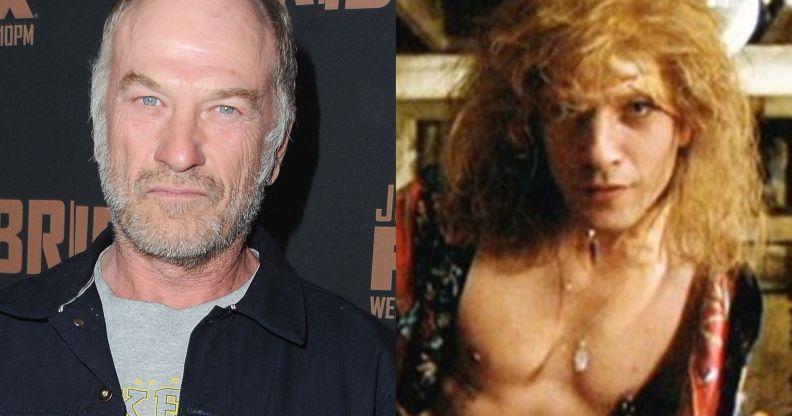
Ted Levine played Buffalo Bill in the 1991 film. (Getty/Silence of the Lambs)
Silence of the Lambs actor Ted Levine says he regrets ‘certain aspects’ of the character Buffalo Bill and the film’s depiction of transgender people.
The 68-year-old, who played the fictional serial killer in the 1991 thriller, admitted that “certain aspects” of his character hadn’t aged well and only served to demonise the trans community.
He said he understood the backlash the film had received over the years after becoming a lot “wiser” on LGBTQ+ issues, adding that certain lines in the film were “unfortunate”.
Silence of the Lambs and the titular book it is based on follow Clarice Staring, a young FBI trainee attempting to hunt down serial killer Jame “Buffalo Bill” Gumb, who has been murdering young women and stealing their skin. It is later revealed that Gumb had been rejected from multiple gender-reassignment clinics due to psychological instability and is stealing women’s skin to fulfil his desire to transition.
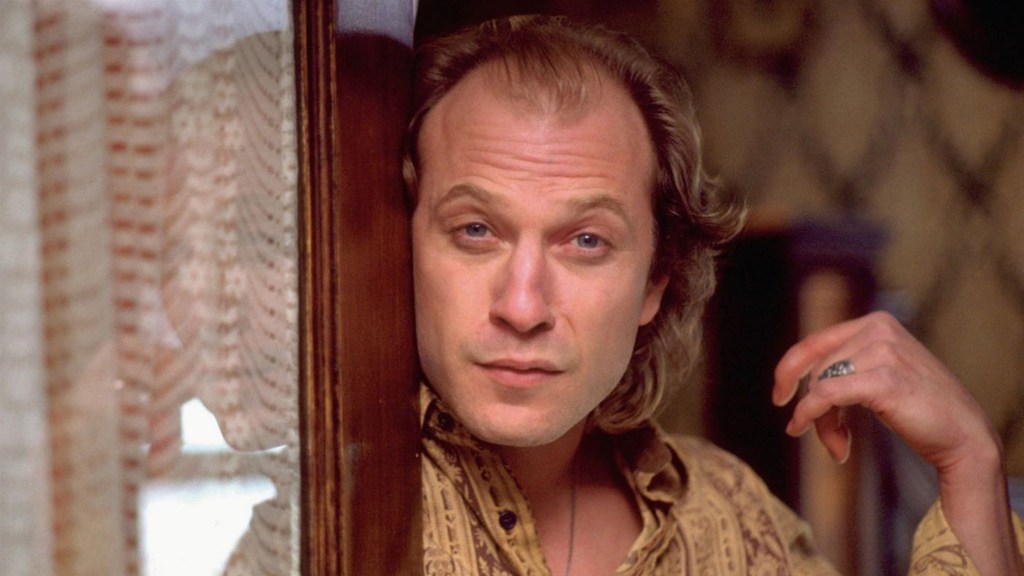
Critics have blasted the film as one of the most “significant and impactful examples of pop culture transmisogyny” which encourages viewers to reject trans people’s “self-identification”. In her coming out statement, filmmaker Lily Wachowski condemned it for “demonising and vilifying” trans women, adding: “We are not predators, we are prey.”
Addressing the backlash for the first time, Levine told The Hollywood Reporter: “There are certain aspects of the movie that don’t hold up too well … we all know more, and I’m a lot wiser about transgender issues. There are some lines in that script that are unfortunate.”
The Heat actor admitted the concerns hadn’t crossed his mind when working on the project, saying he didn’t play the serial killer as “gay or trans” but as a “f***** up heterosexual man”.
He eventually realised the film’s negative impact after working closely with trans people in future projects, developing a better understanding of the issues the community faces.
“It’s unfortunate that the film vilified that, and it’s f****** wrong. And you can quote me on that,” he said.
Director Jonathan Demme has previously defended the film, saying in 2014 that critics had misinterpreted the character’s intentions.
He claimed the original intention behind the character’s desire to become a woman was as “another way to escape”.
“He didn’t wish to be another gender,” Demme said to HuffPost at the time. “He didn’t really have a sexual preference. He loathed himself – he wanted to transform himself so that there was no sense of him in the ‘new’ him [and] becoming a woman… that was his method of doing it.”
He went on to express his support for the trans community, saying he “liked the [LGBTQ+] backlash” to the film.
“Now, finally – maybe this year – more and more people, me included, are starting to really wake up to the challenge [the transgender community faces] today,” he said.