
Victoria passes law protecting intersex children from unnecessary surgeries
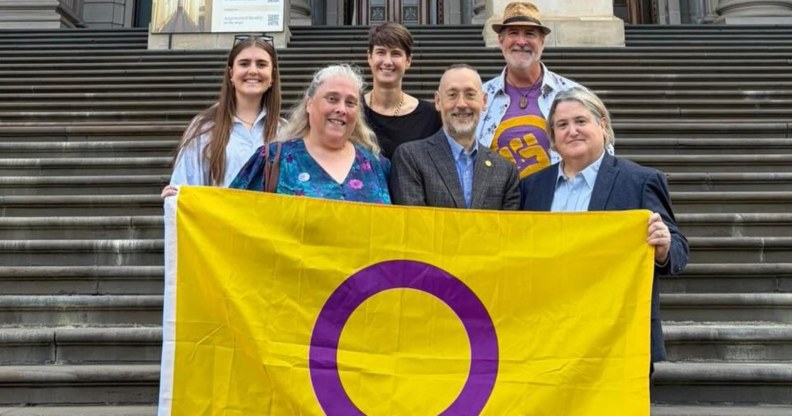
A new law has passed in Victoria protecting intersex children (Instagram/interactionorgau)
The Victorian Parliament has passed a new law that protects intersex children from being subjected to unnecessary medical procedures without their consent.
The new legislation was passed on 19 February with multipartisan support, 24 votes to 15. It is designed to stop children born with innate variations of sex characteristics from receiving unnecessary surgeries to alter them until they are old enough to decide for themselves.
The reformed bill also includes the formation of a panel of medical experts and people with lived experience to oversee medical treatment plans for intersex children, stricter guidelines on when treatment and surgeries are necessary, support for patients and their families, and continued consent from parents and caregivers for medically-necessary treatments.
READ MORE: Five things you need to know about intersex people – including how to be a better ally
In a statement, bioethicist and Executive Director of Intersex Human Rights Australia Dr Morgan Carpenter said: “It is such a powerful moment for the bill to pass with such broad support. Thank you to the members of the Legislative Council, and thank you to the Victorian government for bringing the bill before parliament in an election year.”
Tony Briffa, an intersex advocate and Co-Chair of InterAction for Health and Human Rights, celebrated the victory, saying she is “incredibly proud” that Victoria had taken the historic step for the next generation.
“I have carried the weight of decisions made about my body without my consent — choices that changed my life forever, and that could have waited until I was old enough to understand and speak for myself,” she continued.
“It has taken years of pain and healing to reclaim who I am, unlearn the shame and finally understand that I was always enough. Our bodily differences are a natural part of human diversity. Surgical or hormonal interventions should proceed only where there is clear medical necessity — and where that need outweighs the risk of causing lifelong harm.”
According to Equality Australia, there are at least 40 known variations of intersex characteristics which occur across approximately 1.7 percent of the population.
The consequences of unnecessary surgeries on intersex children include, but are not limited to, loss of sexual function and sensation, loss of fertility, urinary tract issues, a need for ongoing medical treatment or repeat surgeries, incorrect gender assignment, loss of autonomy and negative self-image in later life.