Gay presenter condemns BBC for ‘performative allyship’ after homophobic abuse: ‘Made me feel lesser’
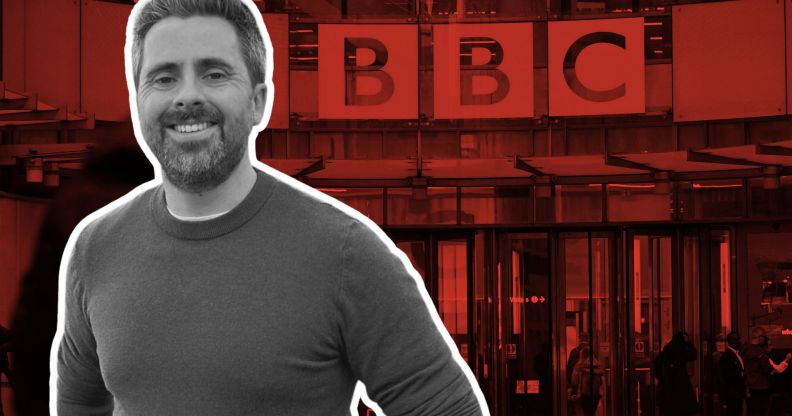
Jack Murley experienced homophobic abuse while working at the BBC (Jack Murley/Rasid Necati Aslim/Anadolu via Getty Images)
An ex-BBC presenter who experienced homophobic abuse on the job has accused the corporation of “performative allyship” towards the LGBTQ+ community, while calling on BBC director general Tim Davie to issue him financial compensation for his treatment.
Jack Murley worked at BBC Radio Cornwall for five years between 2019 and 2024, before being sacked by the public service broadcaster over social media posts that criticised proposed cuts to the BBC’s local radio output.
The BBC said Murley’s posts breached its editorial and social media policies and failed to adhere to its expectations of staff impartiality.
During his time with BBC Radio Cornwall, Murley said he experienced a raft of homophobic abuse from both staff and listeners that “wasn’t covert” and was both “common knowledge” and “happening in plain sight”.
When these incidents were raised to management by himself and other colleagues, Murley alleged they were not appropriately dealt with.
One incident saw a BBC employee call Murley a “fairy boy” whilst another time a different staff member told a joke in front of colleagues that used the homophobic slur “poof”.
Murley claimed there was an onus on him to “laugh it off” when it came to fellow staff members’ casual use of homophobic language.
A separate time, following a change in the law to allow queer men to donate blood, a colleague told Murley: “I can understand why you were banned [from donating blood]. Statistically, your lot are a lot more likely to die of AIDS, that’s just a numerical fact.”
The 37-year-old claimed he was also subject to homophobic abuse from listeners via emails, texts, and phone calls, including one incident where Bible verses and homophobic remarks were sent to him in an envelope.
In response to this homophobia, Murley claimed a manager told him it was not his job to deal with the abuse and the solution should be for Murley to sound “less gay” on air.
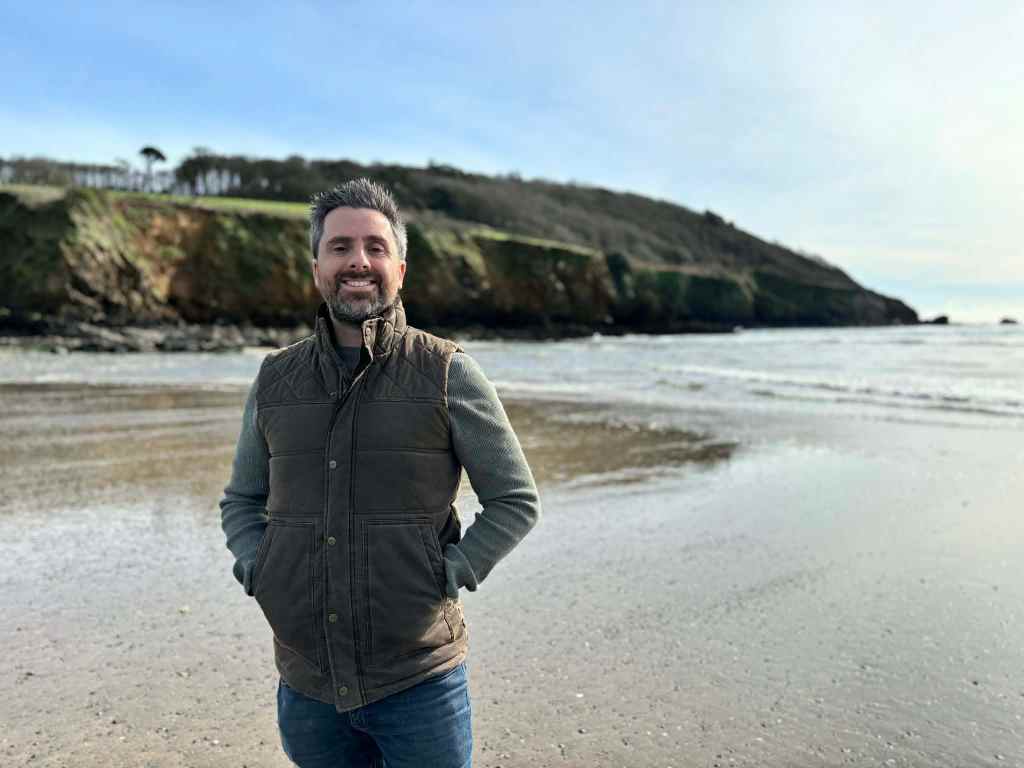
“I always thought I was quite a confident LGBTQ+ person,” Murley exclusively told PinkNews of the impact of the abuse and BBC’s response to it.
“I’ve been out to my friends and family since I was 17/18 years old. I never thought I’d ever be in a position where I thought I would be better off not being out.
“I never thought I’d be in a position where who I was and my authentic self made me feel lesser than what I was.”
Murley subsequently took the BBC to an employment tribunal in which he alleged he was discriminated against for being a gay man as well as a union representative for the National Union of Journalists (NUJ).
In February 2025, employment judge Alastair Smail ruled Murley was not discriminated against due to his sexuality or work as a union rep and in a hearing in October judged the BBC’s dismissal had been “reasonable”.
However, a separate internal investigation carried out by the BBC’s whistleblowing team examined 12 allegations of homophobia and found “managerial failings” in handling the incidents, with there being a “case to answer” in eight of the 12 allegations.
Murley said in a social media statement issued in December 2025 – following the outcome of the employment tribunal – that he met “in-person” with senior members of BBC management to “receive a formal, full and unconditional apology” for “homophobic and discriminatory abuse” he experienced.
When asked about this at the time, the BBC – however – did not acknowledge the alleged in-person meeting and a spokesperson simply said the broadcaster “welcomed the tribunal judgement” and “won’t be commenting further”.
Subsequently, in January 2026, the BBC then acknowledged this apology to Murley which it outlined in a news story published on the BBC News website.
Murley is now seeking financial compensation from the corporation, demands which he outlined in a letter to BBC director general Davie and that he shared directly with PinkNews.
In the letter, Murley stated he and his local MP have been writing to the corporation to secure a meeting to “discuss a financial settlement for the ‘damaging and corrosive’ behaviour that you accept I endured while working there” but “regrettably, the BBC has refused to engage meaningfully with us”.
Murley’s letter goes on to describe the BBC’s stance that it is “absolved” of financial responsibility as “plainly nonsense”.
“If a suspected arsonist is cleared of starting a fire in 2025, only to ‘fully accept’ a year later that they were responsible for starting multiple fires in the years beforehand, they are still held accountable for the fires they’ve admitted to,” Murley wrote.
“The ‘not guilty’ verdict in the first case does not give the arsonist a free pass for any wrongdoing that they latterly admit to; and, similarly, the BBC should not be allowed to cower behind the Employment Tribunal’s decision in 2025 in order to avoid accountability for multiple incidents of discrimination that it admitted to in 2026.”
Within the letter, Murley cites various examples from the corporation’s own expenses disclosures, in which he claims it made clear it is “not willing to spend a single penny on compensating me for ‘wholly unacceptable’ homophobic abuse, despite the fact that the BBC’s own accounts for 2024 show that the Corporation was willing to spend hundreds of pounds on ‘celebratory nibbles’ and ‘thank you pizza’”.
“This isn’t about the money, but about the principle,” he added.
Murley said the whole process has made him feel “lesser and demeaned” and as if it was “okay to abuse people because of their sexuality and who they are”.
“I certainly never expected to be put in that position by the BBC, and I never expected it to be such a fight to have what was common knowledge happening to me acknowledged,” he said.
“People talk a lot about needing validation and for me, to have to fight so hard and for so long and still be fighting to have what the BBC already says that happened to you acknowledged, it’s been draining. It’s been really, really hard.”
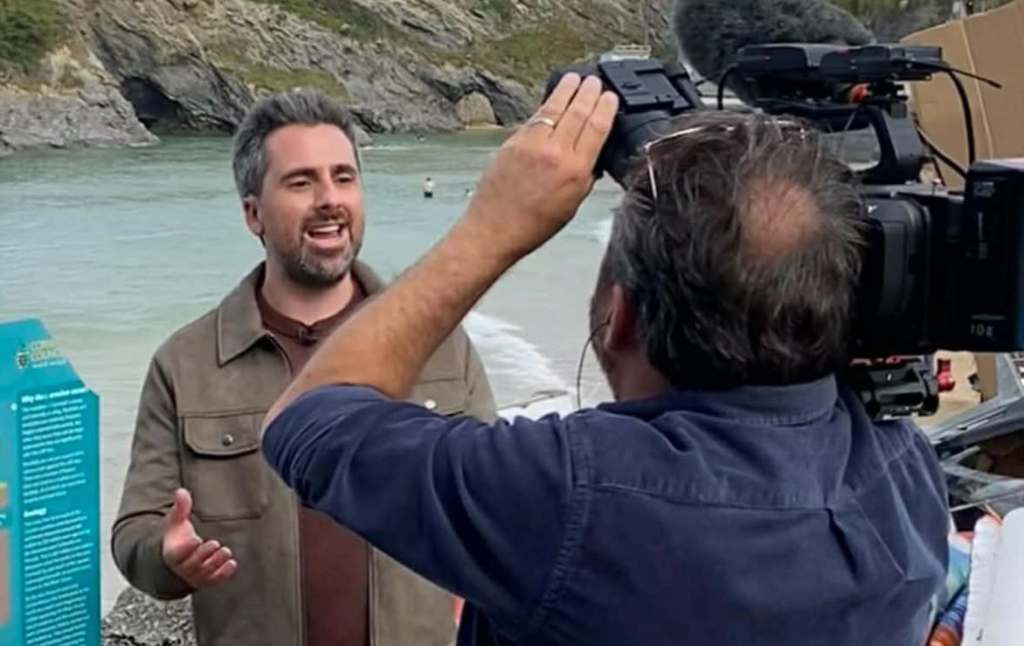
Murley explained there have been times where he has thought about whether the fight is worth continuing with: “And then I get so much support from people who can’t speak and can’t use their voice that you pick yourself up and go again.”
Despite the on-going situation, Murley still describes himself as a “champion” of the BBC and wants the corporation to be its “best” and “be strong”.
“Friends have to be honest with each other,” he explained, “and I’m still a friend of the BBC, but I was brought up in a culture where I was told the BBC covers itself just as thoroughly as it covers anyone else – and that has not been true.”
BBC News and other BBC outlets are all editorially independent from the wider BBC corporation, meaning when a story involving the BBC surfaces – such as Gary Lineker leaving the BBC or Huw Edwards being handed a suspended jail term – they make their own editorial decisions and their journalists produce coverage in the same way they would about external organisations. Murley’s experience has also been covered at various stages on the BBC News website.
“I am certain if what happened to me happened in a council office or a hospital or a government department, the BBC would not have tried as hard as it has to stop people talking about it,” Murley alleged, claiming some current BBC staff are “scared” to like his social media posts for fear of professional repercussions while others have allegedly told him they have been instructed not to pitch Pride stories or “glitter up” their pitches.
He claimed: “The problem the BBC has at the upper levels is a bit like the person we all know who says ‘I can’t have a problem with discrimination, I’ve got gay friends’.
“I think because the BBC has same-sex couples dancing on Strictly Come Dancing and shows RuPaul on BBC Three it thinks it can’t have a problem, and so when people like me come forward and say ‘you have, let me help you fix it, let’s make sure this doesn’t happen to anyone else’, they bury their head.
“If the BBC at its best is my friends and colleagues who stood up and said ‘he’s telling the truth’, the BBC at its worst is folks at the high level who say ‘we just want to close our eyes and pretend this doesn’t happen and hope it all goes away’.”
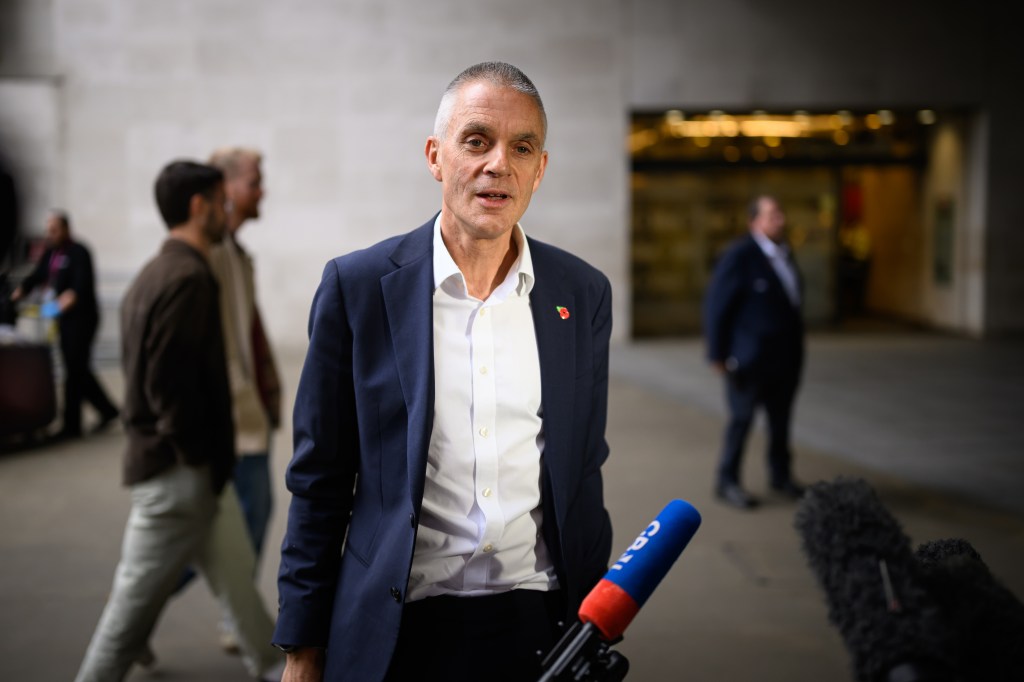
Murley claimed this is an example of “performative allyship” at the corporation, because while LGBTQ+ people are “wheeled out” for LGBT+ History Month or Pride Month “when problems are identified, it is slow to react”.
He feels that at the moment there is a “tide in politics” which means the abuse towards the LGBTQ+ community “can be seen as lesser”.
“Now, I can’t tell you what the BBC is thinking in my case, apart from the fact it feels it’s appropriate for a former employee to have been called a poof and not to get a single penny, that literally is showing that our abuse is valueless, it’s worthless,” Murley claimed. “You can be abused and it won’t cost us a penny.
“All the words about taking homophobia seriously aren’t being matched [and the] BBC will have to answer as to why that is because every single person I speak to cannot understand it. I can’t understand it. It makes no sense because it’s nonsensical.
“I don’t know if that’s because of political pressure. I don’t know if that’s because of a fear that they will be seen to be being ‘woke’.
“But, I think, whatever side of the political spectrum you sit on, most decent people would agree that if you’re told you’re more likely to die of AIDS because you’re gay, that is wrong and that should come at a cost.
“I just can’t fathom why the BBC doesn’t see that.”
A BBC spokesperson told PinkNews: “Jack Murley was dismissed in 2024 for gross misconduct. He brought two tribunal claims against the BBC which were unsuccessful and did not uphold any alleged discrimination by BBC managers.
“We have apologised to Mr Murley in relation to separate instances of homophobic behaviour he was subjected to by individuals who also no longer work here. The BBC is an inclusive organisation and discrimination of any kind is not tolerated.
“We have written to Mr Murley to address his further concerns about events in 2023 and will not be commenting further publicly.”