
Major Women’s Institute branch closes as many members resign over trans ban
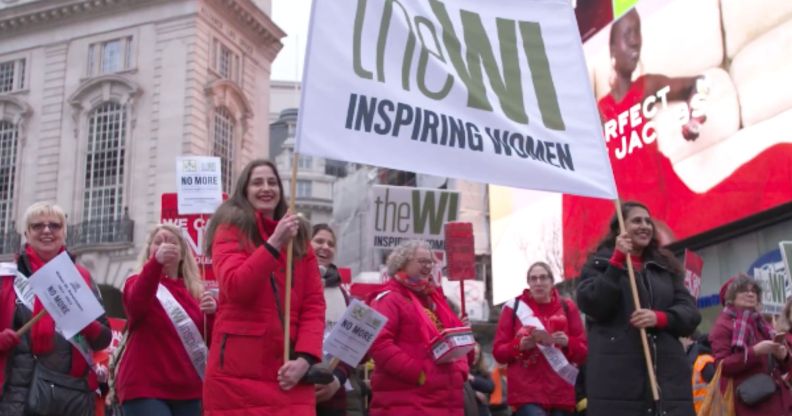
The Women’s Institute’s new trans policy bans trans women from joining its branches. (YouTube/screenshot)
A Women’s Institute (WI) branch in Manchester has been forced to close after a majority of its membership quit over its trans ban.
The women’s-only group announced it was shutting down after the bulk of its membership, including senior officials, exited en masse over WI’s policies excluding trans women.
The National Federation of Women’s Institutes (NFWI) announced in December that, as of April 2026, it will ban trans women from joining its chapters by only accepting members on the basis of “biological sex”.
Its decision came in response to the controversial Supreme Court judgment on FWS v Scottish Ministers, which determined the 2010 Equality Act’s definition of a woman referred to ‘biological sex’ only.
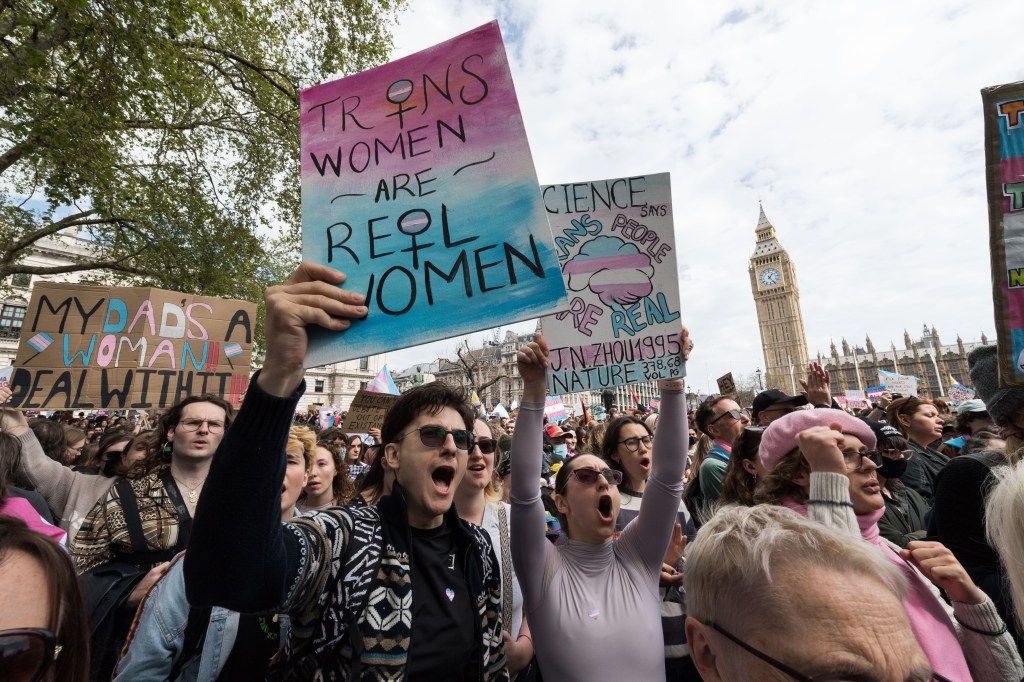
Following WI’s announcement, the Manchester Women’s Institute said it fundamentally opposed the decision and was “incredibly disappointed” by the move.
After consulting with its members, it confirmed on Monday (23 February) the group would suspend all future activities once the policy takes effect, in part due to officer resignations.
“This was not a decision taken lightly – Manchester WI was formed in 2012 and has been incredibly important to so many of us,” a spokesperson said. “Thank you to everyone who has played a role in being part of our community since the start.”
Remaining members, who will act as caretakers until the group disbands, said they remain firmly opposed to WI’s exclusionary new policy, arguing it is “strongly against the ethos of our group”.
It is the latest chapter of the 110-year-old women’s rights organisation to close its doors in the wake of the announcement. Chapters in Hackney, Cheshire, and Seven Hills, all of whom condemned the move, have also disbanded over mass exits by members.
Women’s Institute trans-exclusive policy ‘outrageous’, legal experts say
NFWI chief executive, Melissa Green, said the organisation made the policy changes to act “in accordance with the Supreme Court’s judgment.”
However, legal campaigners Good Law Project disagreed with WI’s interpretation of the judgment, calling the political pressure that the organisation had been put under “outrageous”.
It offered to defend WI and organisations like it from legal attacks if it reverses its plans to exclude trans women.
“We think the law allows organisations to still remain inclusive, if they want to be,” a spokesperson said. “We’ve got independent legal advice telling us the same thing … but we know that just the threat of legal action is incredibly expensive for organisations – no matter what the law actually says.”
It comes as equalities minister Bridget Phillipson considers draft guidance from the Equality and Human Rights Commission (EHRC) which will instruct service providers on gender inclusivity.
While the draft code of practice has yet to be made public, legal experts are concerned it could result in a blanket ban on trans people using facilities, such as toilets and changing rooms consistent with their gender identity.
Concerns come from a since-scrapped interim update from the EHRC which recommended that service providers ban trans women from women’s lavatories and, in some cases, from public spaces altogether.
The High Court recently ruled that the interim update did not exclude trans women from women’s spaces, but held that it was not unlawful to ban them from single-sex facilities in workplaces.
Share your story! Do you have an important, exciting or uplifting story to tell? Email us at [email protected]