PinkNews launches survey on impacts of the Supreme Court’s gender ruling, one year on
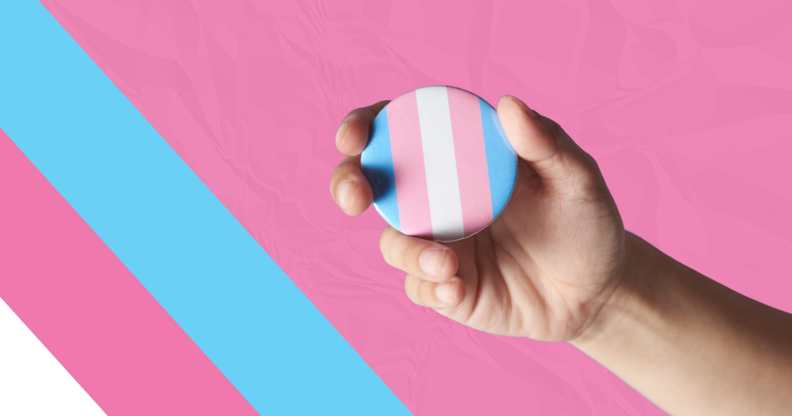
PinkNews has launched a survey looking into the impacts of the April 2025 Supreme Court ruling (Canva)
LGBTQ+ news publisher PinkNews has launched a survey focused on the impacts of the UK Supreme Court’s widely condemned ruling on the legal definition of “sex”, ahead of the one year anniversary of the decision.
The online survey will run from Monday, 2 March to Monday, 30 March 2026 and aims to gain an insight into demographic data, the single-sex spaces people have been questioned for using and the wider effects of the ruling on people’s day-to-day lives, including consequences for physical, mental and emotional health.
The data will be anonymous and used to build a picture of the overall repercussions of the Supreme Court ruling a year on from the decision being handed down in April 2025.
The survey is open to people of all genders.
The Supreme Court judgement handed down on 16 April 2025, made in the case of For Women Scotland vs Scottish Ministers, decided the protected characteristic of “sex” for the purposes of the 2010 Equality Act means “biological sex” only and does not include trans people.
“The unanimous decision of this court is that the terms woman and sex in the Equality Act 2010 refer to a biological woman and biological sex,” Supreme Court judge Lord Hodge said.
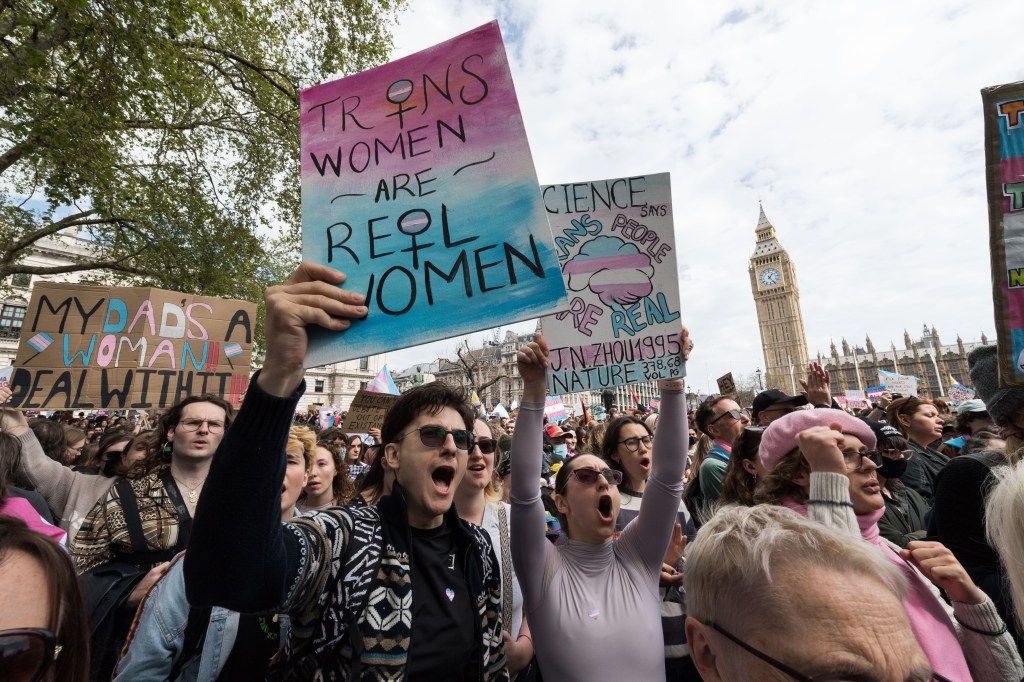
The ruling was the culmination of a years long battle between gender-critical group For Women Scotland (FWS) and the Scottish government, with FWS supported in their legal action by gender critical author JK Rowling – who toasted so-called ‘TERF VE Day’ following the outcome of the case.
In the wake of the ruling, the Equality and Human Rights Commission (EHRC) – the UK’s human rights watchdog which itself has been criticised for its approach to trans rights – drafted interim updates to its Code of Practice on single-sex spaces that recommended the exclusion of trans people from facilities including toilets, changing rooms, and gender-specific organisations.
Have your say! Fill out the survey here.
Alongside recommending businesses, organisations and service providers ban trans women from female facilities and trans men from male facilities, the EHRC also stated in “some circumstances” trans people could be prevented from using spaces based on their “biological sex”.
It was later clarified by the EHRC that these “circumstances” referred to situations where “reasonable objection” could be taken to a trans person’s presence, such as in female spaces when “the gender reassignment process has given [a trans man] a masculine appearance or attributes”.
Since this guidance was published, numerous organisations have implemented policies banning trans people from certain spaces, including Girlguiding, the Women’s Institute and the Football Association (FA).
Trans, LGBTQ+ and wider human rights organisations – as well as some MPs – have all warned that such measures could lead to the “widespread exclusion” of trans people from public life.
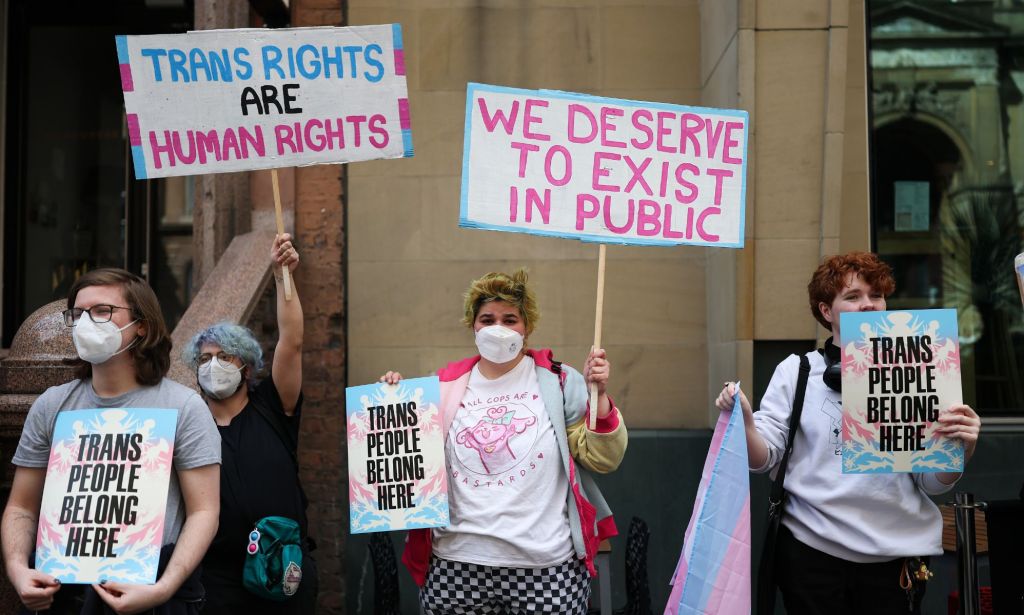
Despite the EHRC’s recommendations being scrapped in October, the High Court ruled earlier this month that the interim update was not unlawful and called for trans people to be excluded from the correct spaces at work.
In September, the EHRC announced it had sent a finished version of the Code to the equalities minister Bridget Phillipson. A leak published in The Times suggested the finalised guidance would not be too dissimilar to what was outlined in its interim version.
The final version has not been made public.
Whilst data showcasing the impacts of the Supreme Court ruling remain scarce, TransActual has previously conducted research in this area, including a report entitled ‘Gendered Spaces and the Impact of the Supreme Court Judgement/EHRC Interim Update‘ and ‘Trans segregation in practice: Experiences of trans segregation following the Supreme Court ruling‘.
The latter was published in August and includes the testimonials of not just members of the trans community, but intersex and cis people who do not meet the conventional standards of gender and have been impacted by the ruling.
These accounts included stories of verbal and physical altercations, vile slurs and names being lodged at people, individuals being filmed without their consent and being questioned about their life and body by strangers.
Have your say! Fill out the survey here.