
NHS England to conduct ‘evidence review’ into HRT for trans adults

NHS England announced the review as part of an EHIA report. (Getty)
NHS England is reportedly reviewing the evidence on the effectiveness of hormone replacement therapy (HRT) for transgender adults as part of its newly announced consultation.
The public health service confirmed the evidence review and several others in a report published as part of an upcoming public consultation into proposed changes to NHS youth gender services.
The Equality and Health Inequalities Impact Assessment (EHIA) report was published after NHS England announced the decision to ban new masculinising and feminising (MAF) hormone prescriptions for under-18s, claiming the evidence for the medication’s benefits are “really weak.”
Transgender teenagers aged 16-17 are gradually given MAF hormones such as testosterone or oestrogen after they have been on puberty suppressant hormones for a sufficient period. MAF hormones do not include puberty blockers, which remain inaccessible under directives from the Health Department.
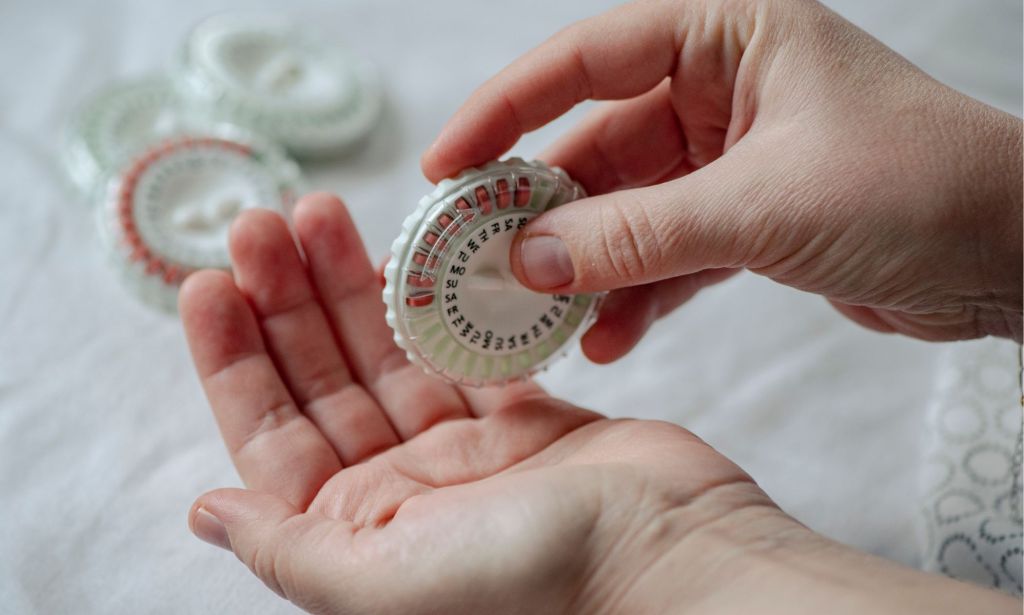
MAF hormones are the primary medication given to trans adults, alongside hormone blockers, as part of hormone replacement therapy (HRT).
According to a recommendation submitted in the EHIA report, NHS England is “separately reviewing the evidence for the use of MAF in adults with gender dysphoria” with the aim of launching a consultation on its findings in late 2026.
A separate section clarifies that its ban on new prescriptions will only apply to youth gender services, adding that the NHS will continue to prescribe hormones for adult patients in its gender identity clinics (GICs).
Hormone prescription ban is not discriminatory, NHS England insists
The evidence review is one of ten commissioned by NHS England that will review the benefits and drawbacks of its gender-affirming care provision.
The array of recommendations, as well as the ban, were brought as officials continue the process of applying proposals made by Dr Hilary Cass in her controversial four-year review of NHS youth gender services, published in 2024.
Clinicians have also been instructed to review existing MAF hormone prescriptions for under-18s. It is unclear what these reviews will involve.

While NHS England acknowledges the adverse mental health effects its ban will likely have, the EHIA report insists that these decisions do not amount to direct or indirect unlawful discrimination, calling its proposals “reasonable and rational and clinically necessary.”
“NHS England has concluded that no direct or indirect discrimination would occur to children and young people under 18 years by adoption of [a ban on MAF hormone prescriptions] notwithstanding that MAF hormones will remain an intervention through the service specification for Adult Gender Services,” it reads.
“NHS England is, properly and rationally, acting upon the updated evidence recently received that related only to individuals who are predominantly seen in paediatric gender services. Adoption of the proposed policy would be a proportionate means of achieving a legitimate aim.”
Trans healthcare experts ‘dismayed’ at NHS prescription ban
Research published in June last year suggests that gender-affirming care restrictions are having an “extensive” impact on transgender youngsters in the UK, while another found that trans youth suicides surged around the same time that the government banned puberty blockers.
Gender Plus, the UK’s only CQC Outstanding registered trans healthcare provider, voiced its objections to NHS England’s decision, arguing it is contradictory to “every reputable expert body” in the field.
A spokesperson for its senior leadership said they were “dismayed” at the announcement, adding that the service prescribes MAF hormones “following a rigorous process, in line with international best practice and guidance.”
“NHS England’s interpretation of the evidence is in contrast to every reputable expert body in the field of transgender healthcare,” they continued, adding that the service would assess relevant documents to better understand how the public health service came to its conclusion.
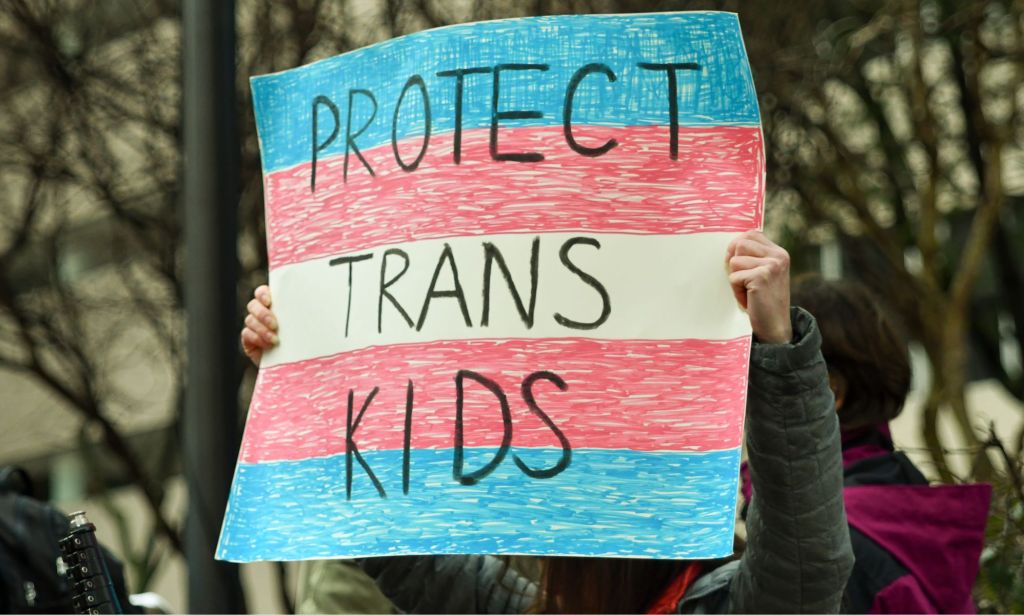
In a statement to PinkNews, NHS England’s national medical director for specialised services, professor James Palmer, said that its review established that the public consultation would determine whether any key evidence provided may need to be reviewed.
“The NHS has exercised extreme caution when considering starting people on this treatment,” he said. “As part of this action, we will now be pausing any new referrals for this treatment for 16-17 year olds. Patients currently receiving these treatments on the NHS can continue, but this will need to be reviewed individually with their clinical team.”
A Cass-style review into adult gender clinics, headed by Dr David Levy, was published in December and made several recommendations primarily focused on minimising the staggering wait times for a first appointment.
It was criticised by campaigners and health experts who described it as a “missed opportunity” to implement an informed consent model recommended by leading trans healthcare bodies in the UK and beyond.
Share your story! Do you have an important, exciting or uplifting story to tell? Email us at [email protected]