
NHS England to review private HRT prescriptions for adults over ‘patient safety’ concerns
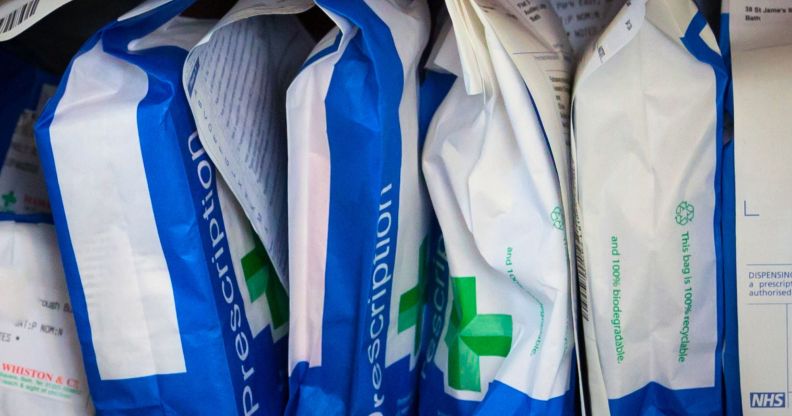
NHS England says it plans to address the ‘potential risk’ of shared care agreements with private clinics. (Getty)
NHS England is considering whether to stop working with “unregulated” private clinics in prescribing gender-affirming care for adults, a new update has suggested.
The public health service said it planned to address whether GPs should continue to work with private services in prescribing hormones to adult patients after claiming they pose a “potential risk to patient safety across all age ranges”.
In the UK, GPs can establish a “shared care agreement” with a private or public healthcare service. Under this formal agreement, clinics provide GPs with the necessary advice to prescribe a variety of medications to patients.
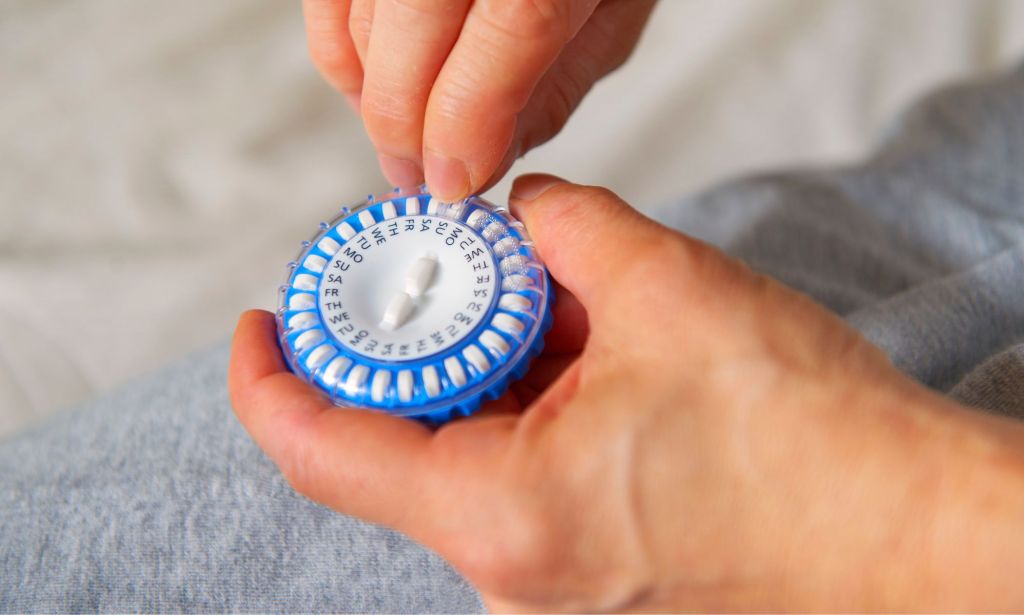
In a report published last week, NHS England said GPs should refuse to support prescribing gender-affirming care for trans under-18s via shared care agreements with private clinics and advise patients and their parents/guardians to refrain from taking medications “sourced from unregulated providers”.
Providers that officials recommended GPs refuse to work with include GenderGP and Anne Trans Healthcare limited; two of the UK’s top private trans clinics.
While it clarifies that these recommendations do not apply to patients over the age of 18, the public health service said it planned to determine whether to extend these recommendations to adult care in the future.
“In recognition that unregulated healthcare services pose a potential risk to patient safety across all age ranges, NHS England will address the management of adults who source medications outside of the NHS-commissioned gender dysphoria service, including the management of those who are using atypical levels of medications, within its current work to establish a clinical commissioning policy for exogenous hormones in 2025/26,” the report reads.
Leaked NHS guidance published in April last year suggested that NHS officials were already considering scrapping shared care agreements with “non NHS-commissioned” gender clinics for under-18s.
However, GPs have been abruptly cancelling prescriptions for trans patients of all ages over the past few years, with many claiming a lack of expertise led to their respective decisions.
Despite this, many GPs continue to prescribe hormones to cisgender adults and puberty blockers to under-18s for other issues such as precocious puberty or menopause.
NHS England criticised over approach to trans healthcare
TransActual’s policy lead, Tammy Hymas, heavily criticised NHS England for its decision to review shared care agreements without addressing the logistical issues of its gender identity clinics.
“People are being forced to access gender-affirming care outside the NHS because some have been waiting more than eight years for a first appointment with a gender clinic,” she told PinkNews. “The NHS could easily address these waiting lists by making gender-affirming care available on the basis of informed consent for all those who want it – in line with decades of evidence and international best practice.
“Instead, our health system continues to consider trans people as suffering from a psychiatric condition and requiring intrusive assessments and bureaucracy to access care. Everyone should have the right to bodily autonomy and trans people’s access to hormone treatments must be no exception.”
An evidence review into the effectiveness of hormone replacement therapy (HRT) for trans adults was announced by the health service earlier this month alongside its decision to ban masculinising and feminising (MAF) hormone prescriptions for trans 16-17 year olds.
It is one of 10 reviews commissioned in an Equality and Health Inequalities Impact Assessment (EHIA) report as part of NHS England’s plans to implement recommendations brought by Dr Hilary Cass in 2024.
Gender Plus, the UK’s only regulated private trans healthcare provider with a CQC rating of Outstanding, said it was “dismayed” at NHS England’s recent decisions, arguing they were contradictory to “every reputable expert body” in the field.
A spokesperson for the clinic said the health service’s interpretation of evidence into the effectiveness of gender-affirming care stood in contrast to the broad consensus by international medical institutions.
In a statement to PinkNews, professor James Palmer, NHS England’s national medical director for specialised services, said that its upcoming evidence reviews would provide further information on whether its approach to trans healthcare should be changed.
“The NHS has exercised extreme caution when considering starting people on this treatment,” he said. “As part of this action, we will now be pausing any new referrals for this treatment for 16-17 year olds. Patients currently receiving these treatments on the NHS can continue, but this will need to be reviewed individually with their clinical team.”
Share your story! Do you have an important, exciting or uplifting story to tell? Email us at [email protected]