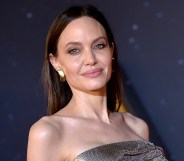
ìfé (The Sequel) director of the Nigerian lesbian drama: ‘The state will be very hostile towards this film’
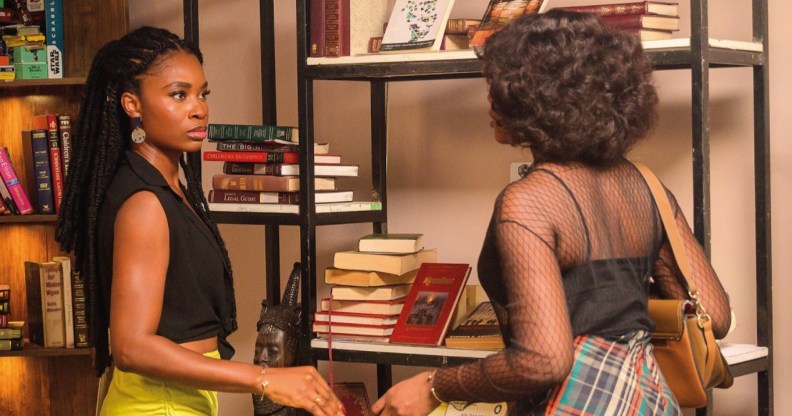
Pamela Adie reunites with fan-favourite characters in ìfé (The Sequel). (BFI Flare)
After her groundbreaking short film about a lesbian couple in Nigeria, activist and filmmaker Pamela Adie returns with ìfé (The Sequel), but not without challenges.
When Ìfé debuted in 2020, the film sparked heated discourse for its bold navigation of queer love in a country that criminalises LGBTQ+ relationships. Ìfé is widely regarded as Nigeria’s first lesbian film, despite the government’s ban on LGBTQ+ work. The 35-minute film follows a straightforward yet revolutionary story of two women as they fall in love over three days.
“For me, like many queer Africans and queer Nigerians, we live in a society where our lives are criminalised. It’s not socially and legally accepted to be a queer person,” Adie says to PinkNews ahead of the ìfé (The Sequel)’s world premiere at the 2026 BFI Flare London LGBTQ+ Film Festival.
With ìfé (The Sequel), Adie reunites with her beloved characters who are now at very different stages of life. Adaora (Gbubemi Ejeye) and her husband, Dafe (Ozzy Agu), are discussing fertility treatment. Meanwhile ífé (Uzoamaka Aniunoh) is newly engaged to another woman, Bhewkiwe (Adunolaoluwa Osilowo).
The two star-crossed lovers unexpectedly reconnect at a Lagos bookstore. It’s a playful re-meet-cute, but the ripple effects cause waves in both women’s lives. The domesticity of Adora’s married life is suddenly upended as she battles the passionate lure of her former lover. Also, ìfé has found a love that ignites her spirit, yet she cannot ignore the sparks when she’s with Adora.
‘It’s not socially and legally accepted to be a queer person’
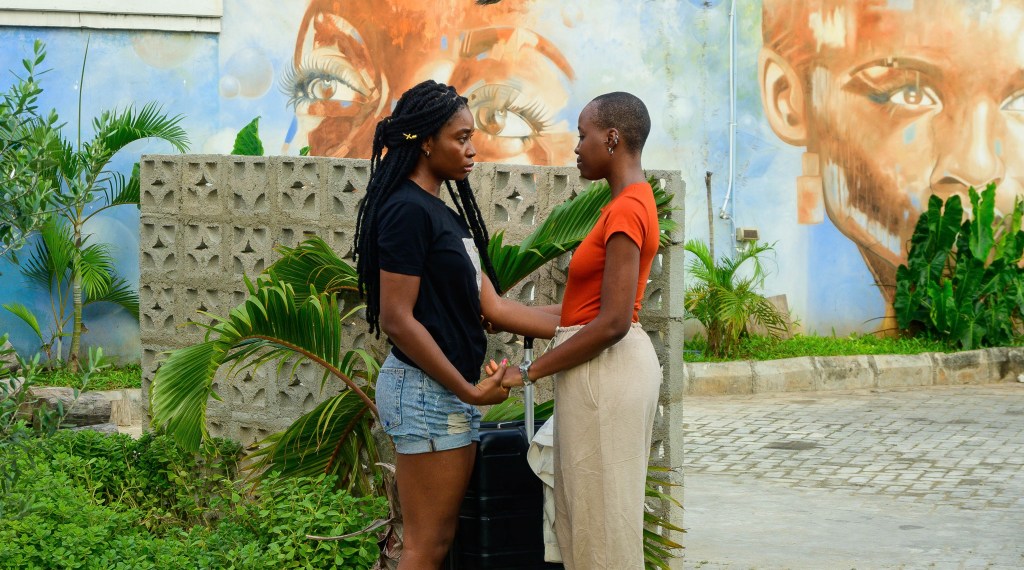
“The audience asked for this film,” Adie explains. “When the first film came out, people kept saying: ‘It’s too short, I didn’t like the ending, when’s part two?’ That told me that people weren’t just watching the film, they were emotionally invested in these characters.”
Adie notes that it was this audience reaction that encouraged the team to pursue a sequel: “African audiences were very hungry to see themselves on the screen, not just for a moment like the short film, but as fully realised and fully told stories.”
Making ìfé (The Sequel) was, as Adie put it, “not easy.” The 2020 film faced censorship by the National Film and Video Censors Board (NFVCB), the government agency responsible for regulating films in Nigeria. “When we released the first film in 2020, the chairman of the Nigerian film and censors board went on CNN, threatening to arrest me,” Adie says.
In 2014, the Same-Sex Marriage (Prohibition) Act was introduced in Nigeria. The law bans same-sex marriage and civil unions. Furthermore, the bill states an individual could face prison time for “public advocacy or associations supporting the rights of lesbian and gay people.” According to The Initiative for Equal Rights’ 2019 survey, 75% of those surveyed on LGBTQ+ issues in the West African country support the enforcement of the anti-gay laws.
‘Love is freedom’
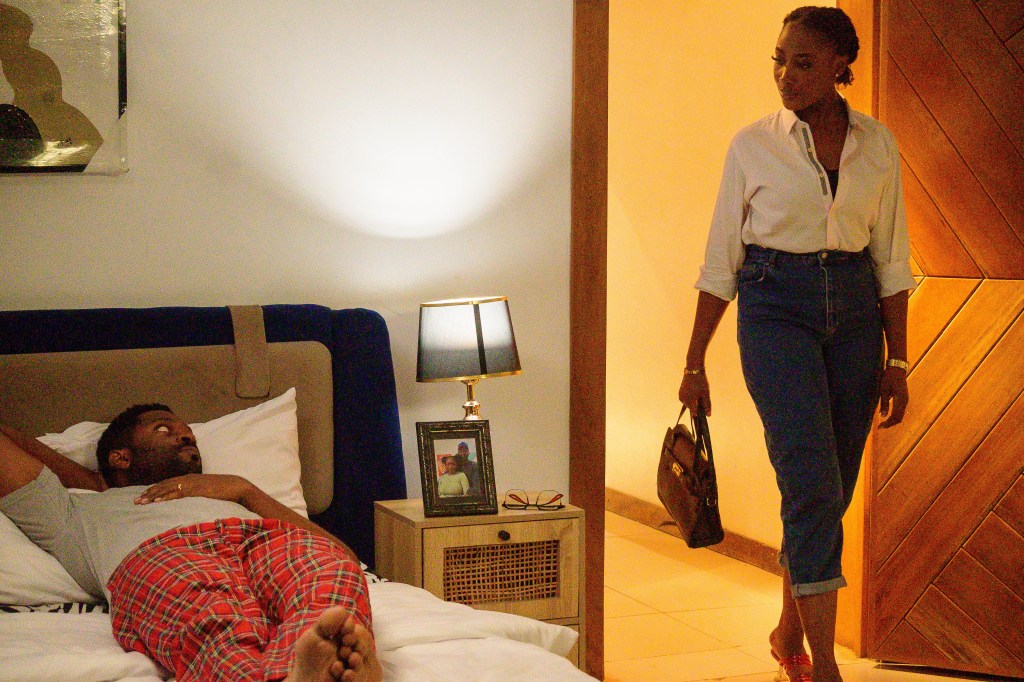
“We are already aware that the state is going to be very hostile towards this film,” Adie says. She also explains it will be very unlikely that the film will be shown in public Nigerian cinemas. Adie’s personal awareness of LGBTQ+ life in Nigeria is what grounds this lesbian drama. “Living here, I understand what it means to navigate expectations about how you’re supposed to be,” the filmmaker explains. “That experience shapes how I approach storytelling.”
In this context, when watching ìfé (The Sequel), it’s particularly noticeable that the film offers an uplifting portrayal of LGBTQ+ Nigerians. “Nigeria is a place where conversations about sexuality can be very sensitive, and that affects how stories like this are received,” Adie explained. “At the same time, queer Nigerians exist. Our lives are rich, complex, and our stories deserve to be told.” From the outset of the film, Adie was uninterested in something “controversial.” Instead, her film was built around a “human story about love and identity.” Particularly important is giving her queer women character “choice and agency.”
With this focus, ìfé (The Sequel) re-frames the conversation of queerness in Nigeria. Adie notes the film “doesn’t depict queer people as caricatures, people that need help or need to be saved; that kind of narrative would be accepted by the film censorship board.”
‘We’re seeing filmmakers across the continent telling queer stories’
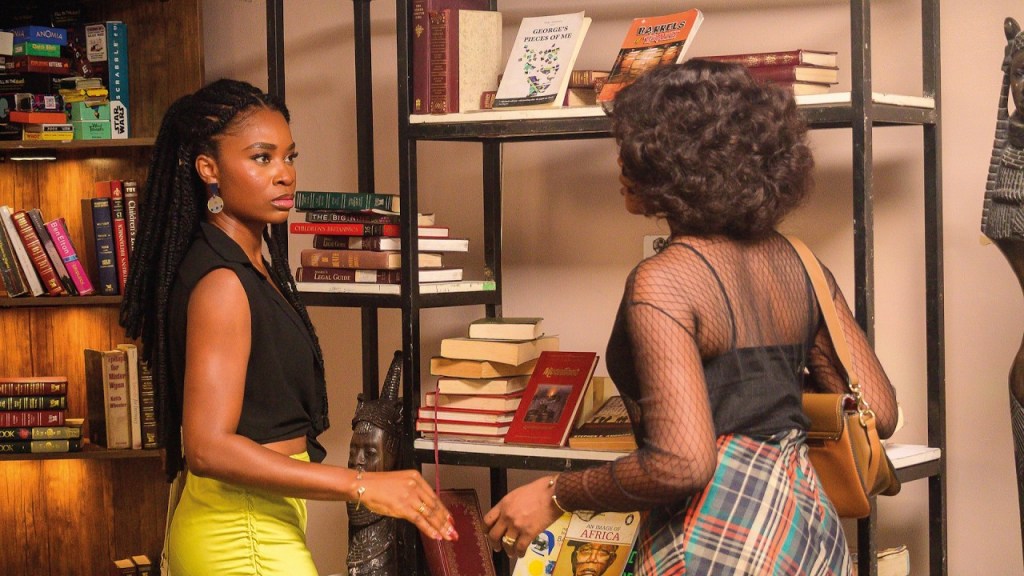
Instead, the characters on screen have rich lives, individual personalities and deep bonds with family and friends. Take an early scene in the film where the two ex-lovers discuss the paths they’ve taken. One gently muses: “Love is freedom.” It’s a brief line yet one that perfectly encapsulates the messaging of Adie’s film. Speaking about that specific line of dialogue, Adie shares: “You cannot have love without having freedom, and you cannot speak of freedom without the presence of love.”
Alongside the optimism of ìfé (The Sequel) is the film’s touching portrayal of queer chosen family. “As queer people, our lives aren’t just only about romance or suffering; it’s also about friendship,” Adie shares. “In places like Nigeria, we often rely heavily on chosen family who understand our experiences and offer support when biological family or society may not. Portraying those friendships felt very important, as important as portraying the love story itself.”
Though Adie faced challenges in making ìfé (The Sequel), the film marks an important moment not only in her filmmaking journey but also in the cinematic LGBTQ+ stories in Nigeria and Africa more widely.
“We’re living in a time when more African storytellers are claiming their right to tell their own stories. For a long time, narratives about Africa and Nigeria were often told by people from outside,” Adie outlines. “Now, we’re seeing filmmakers across the continent telling queer stories that are intimate, complex and deeply personal.”
ìfé: The Sequel is screening at BFI Flare London LGBTQIA+ Film Festival on 23 and 24 March. Ticket information here.