
How many trans women have competed at the Olympics? The answer is far smaller than you might think
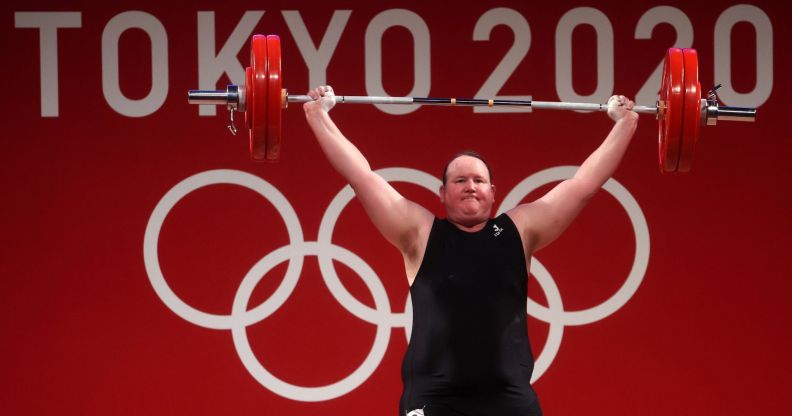
New Zealand weightlifter Laurel Hubbard was the first out transgender woman to compete in the Olympic Games (Chris Graythen/Getty Images)
This week, the International Olympic Committee (IOC) confirmed that transgender women will be banned from the female categories of future Olympic events.
The new policy, titled ‘Policy on the Protection of the Female (Women’s) Category in Olympic Sport’, will come into effect for the Los Angeles 2028 Olympic Games. The IOC has described the policy as “evidence‑based and expert‑informed”.
The IOC has also shared that eligibility for female sporting events will be determined by one-time gene-screening sex tests, which will “ensure fairness and protect safety, particularly in contact sports”.
Arguments about transgender athletes in sport has become a regular fixture of culture wars, political campaigns and governing body rule changes in recent years. But when it comes to the Olympic Games themselves, the reality is strikingly different from the huge amount of column inches that have been dedicated to this “debate.”
To date, only one openly transgender woman has ever competed in the Games: Laurel Hubbard, who represented New Zealand in weightlifting at the Tokyo 2020 Olympics.
Laurel Hubbard competed in the women’s +87kg category, but did not win a medal.
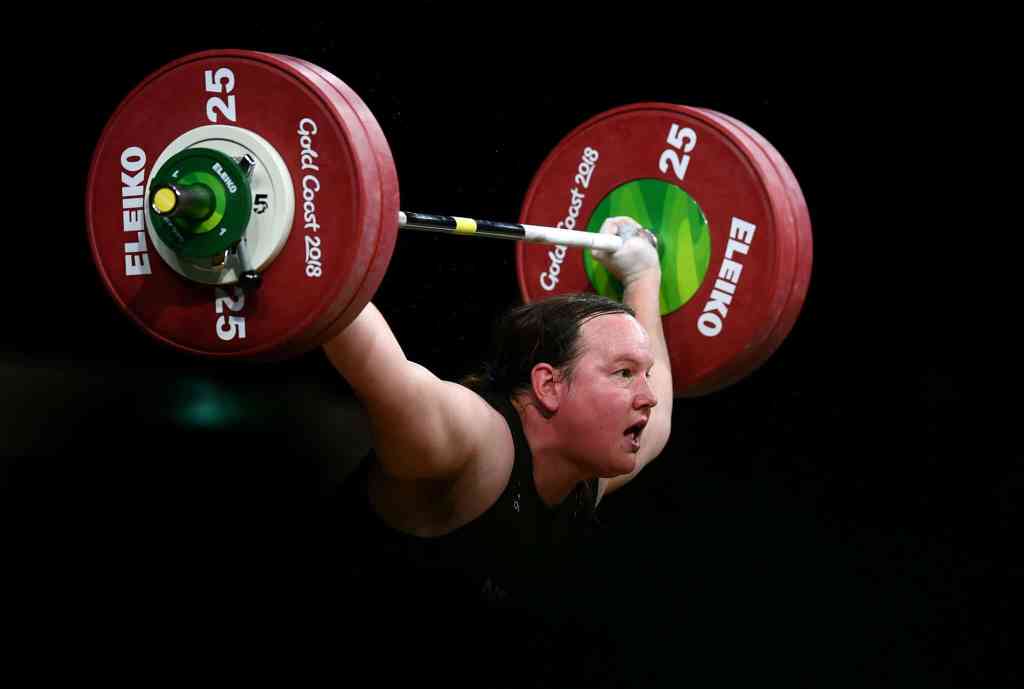
She didn’t become an Olympic athlete overnight – the then-43-year-old had a long, often tumultuous journey that led to her qualifying for the Tokyo Games.
Hubbard’s weightlifting career started in the 1990s, prior to her transition – but it wasn’t long before she decided to call it quits. She set a junior record in 1998, but three years later, she made the difficult decision to leave weightlifting behind.
“What people don’t realise is I actually stopped lifting in 2001 when I was 23 because it just became too much to bear,” Hubbard explained in a 2020 interview. “Just the pressure of trying to fit into a world that perhaps wasn’t really set up for people like myself.”
During the 2020 Games, Hubbard was targeted with vitriolic transphobia, with many claiming she shouldn’t be allowed to compete despite her many achievements as a weightlifter.
Following that, despite – or possibly, because of – the intensity of public discussion, no openly trans women took part in the Paris 2024 Olympics. And there are no confirmed cases of trans women medalling at the Games.
Part of the confusion stems from the broader visibility of transgender and non-binary athletes in sport more generally. For example, Quinn, who won gold with Canada’s women’s football team in Tokyo, made history as the first openly transgender and non-binary Olympic medallist, but Quinn does not identify as a trans woman.
The IOC doesn’t publish official data on athletes’ gender identity, meaning any figures rely on those who have publicly come out, so it is theoretically possible that others have competed without disclosing that aspect of their identity.
Even so, the documented cases, or rather, case, is vanishingly small: a single athlete across more than a century of modern Olympic competition.
This single-digit figure sits in stark contrast to the scale of political and media attention devoted to the issue, particularly in recent years as sporting bodies around the world have introduced or tightened eligibility rules around transgender participation.