Here’s everything Lady Gaga has said about her sexuality as she turns 40
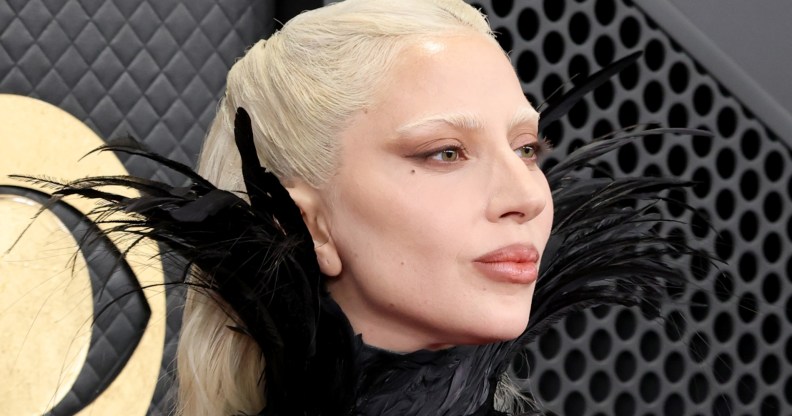
Lady Gaga has been open about her sexuality throughout her career. (Amy Sussman/Getty)
Lady Gaga turns 40 today! The LGBTQ+ icon has always been a proud member and supporter of the queer community, although her bisexuality sometimes gets forgotten, and she’s often described as an “ally”.
Throughout her career, Mother Monster, born Stefani Joanne Angelina Germanotta, has used her platform to uplift the LGBTQ+ community.
It’s not just in her music, though the 16-time Grammy award winner has made enough hits that gay clubs can stay open all night just playing her discography.
Here are all the major statements Gaga has made about her sexuality over the years:
Coming out as bisexual
Gaga has been open about her sexuality since 2009. In a now-famous interview with Barbara Walters, Gaga came out as bisexual.
When asked about her sexuality, Gaga responded: T“I do like women. I’ve only been in love with men; I’ve never been in love with a woman.”
She remarked that she’d been in sexual relationships with both men and women. Also, she explained that her 2008 hit track “Poker Face” is underscored with queer sentiment.
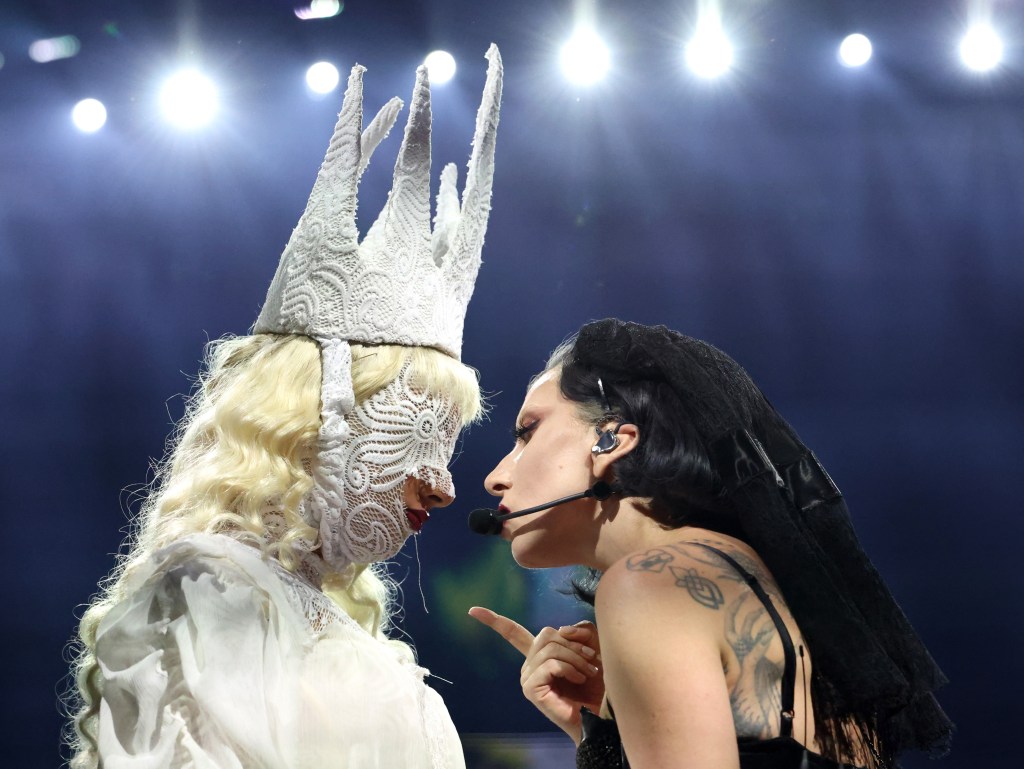
In 2024, she told a crowd: “I bet you didn’t know this song was about [sleeping] with men and thinking about women.”
Speaking out against bisexual erasure
Throughout her career, Gaga has faced biphobia, bi-erasure and relentless questions about her sexuality and gender.
In 2013, she explicitly took a stand against critics. Speaking to Attitude, she stated: “I am bisexual, I’ve said it before I’ll say it again, I don’t need to – I’m sorry if this is a bit vulgar – I don’t need to eat p***y in front of people for the whole world to take me seriously.”
The same year, during her Artpop-era, she clarified: “It’s not a lie that I am bisexual and I like women, and anyone that wants to twist this into ‘she says she’s bisexual for marketing,’ this is a f****** lie. This is who I am and who I have always been.”
She’s bisexual, not gay
In 2017, Gaga appeared on Untucked alongside RuPaul’s Drag Race queens. On the show she opened up about her relationship with the LGBTQ+ community,
Her season nine appearance included providing contestants with feedback and open up about her love for the drag community.
During the Untucked episode, Gaga shared that she’s “not a gay woman.”
“Can you stand up for people that you are not necessarily fully part of that community in a way that you can understand what you all go through?
“I have always been surrounded by incredibly intelligent, powerful gay men who have lifted me up through lots of changes in my life. Becoming famous was very strange and it’s the gay men in my life that helped me to become a woman.
“I don’t know that a lot of people would understand that, but it’s because of what you’ve been through ― you survived so much that you inspire me to continue surviving.”
Belonging to the LGBTQ+ community
At New York City’s 2019 WorldPride event, Gaga opened up about feeling excluded from the LGBTQ+ community.
The singer was speaking outside the iconic Stonewall Inn when she voiced that she was unsure her bisexuality meant she belonged to the queer community.
“To some people, I may not even be considered a part of this community even though I like girls sometimes,” she said onstage.
“I would never degrade the fight you have all endured, the adversity that you have all been through to truly be seen, to be heard, or the struggles that you’ve been through to love yourselves and to seek that love from other people.”
Her speech prompted headlines and discussions around the exclusion of bi representation in LGBTQ+ spaces and conversations.