
Exclusive: A growing wave of GPs are withdrawing care from trans patients, leaving many ‘terrified’

GPs across the country have stopped prescribing hormones to trans people. (Getty)
A recent wave of NHS General Practitioners closing their doors to hormone replacement therapy (HRT) prescriptions for trans patients “comes from fear,” a clinical expert has said.
Over the past year, GPs across the UK have announced they are no longer prescribing the life-saving medical treatment for hundreds of trans patients due to a claimed “lack of expertise” and “lack of support.”
Far Lane Medical Centre – a GP in Sheffield – became the most recent to withdraw its care after writing to patients saying the work is “outside of our expertise.”
Patients of other practices that have ceased care, including a set of GPs in the East Midlands, have said they are “terrified” of the implications and have considered self-medicating if they can’t feasibly access NHS treatment.
In the UK, Gender Identity Clinics (GICs) require that GPs prescribe HRT to trans patients under a shared care agreement since most GICs in the UK do not have the power to prescribe medication.
Under the agreement, GICs or private organisations advise GPs on the prescriptions they give to patients. Without this, trans people are forced to pay hundreds for private care.
‘GPs have expertise in prescribing hormones, they do it for cis people all the time’
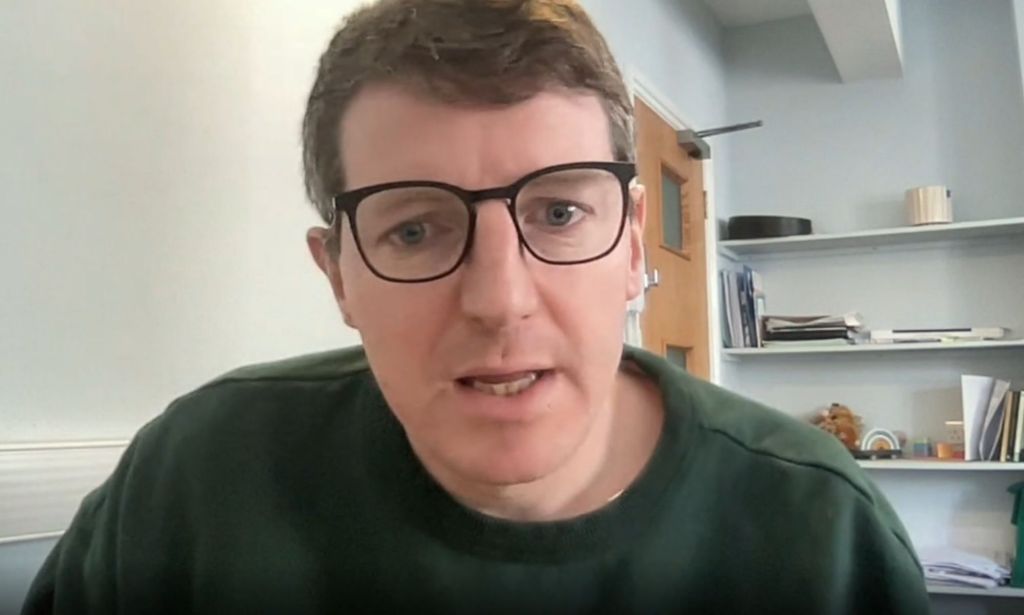
Speaking to PinkNews, clinical psychologist and director of CQC-approved private healthcare service Gender Plus, Dr Aidan Kelly, says that the impact of banning HRT prescriptions on patients isn’t being considered by GPs ceasing care, adding that there’s “no nuance to it.”
“There’s no allowing for complexities in people’s individual situations. I don’t think there’s any appreciation for that,” he said. “I don’t think it’s done, perhaps, from a malicious point of view, but I think it’s done from fear.”
Among the GP surgeries ceasing HRT prescriptions is Jubilee Park Medical Partnership, which announced in December 2024 that it would immediately cease prescriptions that it felt would be “more appropriately provided by a specialist.”
It added in a statement to PinkNews that it felt prescribing hormones was “beyond the clinical expertise and knowledge of the GPs” that it runs in the East Midlands.
Dr Kelly says that the claim equates to “professionalized speak for saying we don’t want to do this anymore,” adding there is a double standard in the GP’s lack of care.
“GPs have expertise in prescribing hormones, they do it for cis people all of the time,” he says. “The only bit where I could see where there’s an argument that there is more particular expertise needed is in the initial assessment and to work out how best to support people.”
He added that things such as minority stress – chronic stress that comes from facing stigmatization for being a minority – can sometimes lead to “complexities,” but isn’t a sufficient reason to cease prescriptions altogether.
“Once you get to that point of assigning a diagnosis and having a specialist recommend that they’re appropriate for hormones, which is the point that shared care comes in, then they’re not at the front end,” he adds. “It’s not something that’s outside of most GPs abilities to do, or at least have someone in the practice who could advise on it.”
Shared care agreements ‘standard practice’ for GPs, clinical expert says
Under its guidance to GPs following shared care agreement proposals, Gender Plus outlines its responsibilities and emphasises an open line of communication on issues or considerations. Dr Kelly says that once the contract has been provided, most of the clinical expertise falls on Gender Plus or related organisations, including the GIC.
“They would have an overseeing hormone expert who would be advising on dosages, investigations, and taking overall responsibility for the treatment,” he says. “That’s the whole idea of shared care – the overall responsibility would lie with the expert. The more routine [work] like prescribing, administering, taking up bloods which is standard practice in many other areas of primary care is what’s being asked of the GP.”
Patients under Jubilee Park Medical Partnership GPs told PinkNews that, after hearing that their care had been stopped, they had suffered “the worst anxiety I’ve had in many years.”
Samathy, a 29-year-old trans woman who saw her care rescinded said that being forced to detransition over losing access to her care would “plunge me into the worst mental state of my life.”
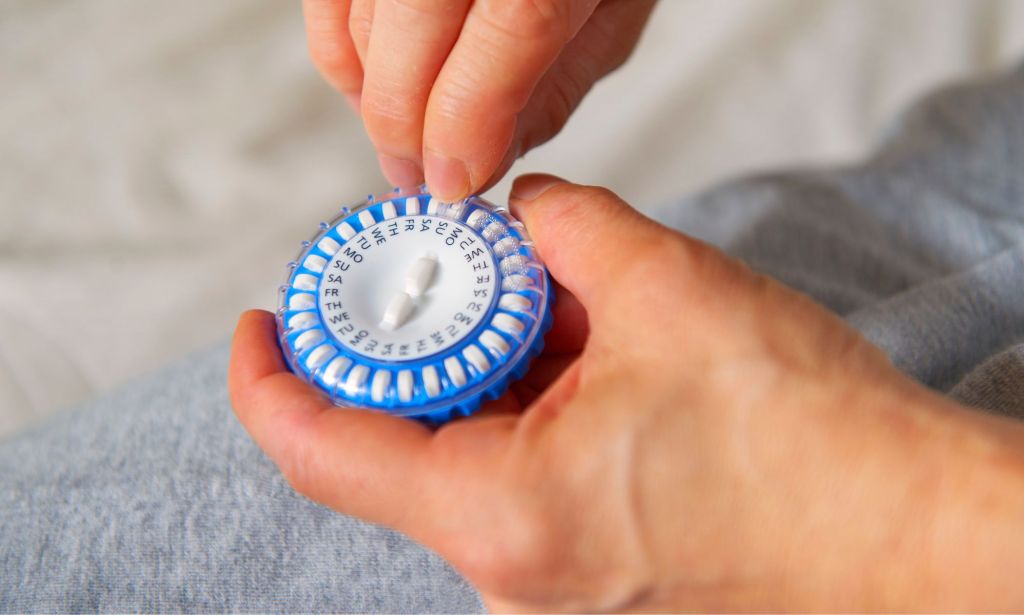
She said that gaining access to HRT made her able to “enjoy life,” but felt she had been forced to consider self-medicating, or ‘DIY’ HRT if she can’t get access to care.
“I’d much rather enjoy being treated for my NHS-diagnosed medical condition by an NHS doctor,” she said. “As history shows us, removing people’s access to healthcare does not remove the need for it.”
32-year-old trans patient, Lex, meanwhile said that the “unconscionable” decision left them feeling “incredibly let down” and has nullified years of waiting for access to care.
“I have already been receiving treatment on the NHS, why should I be forced to go private now?” they said.
Dr Kelly says that the impact of GPs cutting access to HRT has had a significant impact and will continue to do so unless policies are reversed.
“Ethically, I think that’s a problem really,” he said. “They’re there to provide care for your local community. There are trans people in your local community. Why does their care matter less than other people’s?”
PinkNews has contacted Far Lane Medical Centre for comment.
RCGP issues new guidance on the role of GPs in trans care

This week, the College of Gender Practitioners (RCGP) – an advisory organisation that supports GPs in the UK on ethical and clinical standards – issued new guidance on the role that GPs play in trans healthcare.
The position statement, published on Wednesday (26 March), recognises that trans people are reliant on GPs to access the bulk of gender-affirming care in the UK and that GPs are typically the first place patients go to discuss gender dysphoria.
It goes on to say that handling gender dysphoria symptoms is “complex” and argues that the “specialist skills” required to address it “do not fall within the remit of a GP’s education and training.”
“The RCGP curriculum does, however, include the need to provide ‘high-quality, holistic and comprehensive care to… transgender people’,” it adds. “As such, GPs should seek to gain as much knowledge and understanding as possible in order to deliver this holistic care.”
To do this, RCGP says GPs should seek specialist advice under shared care, but said that GPs who cannot accommodate patient’s needs should “be signposted to a suitable care provider.”
Given the overwhelming demand for GIC appointments in the UK, it is incredibly rare for clinics to provide prescriptions directly, meaning that alternative care providers would likely be private clinics that can cost hundreds.
While there is no explicit mention of blanket bans in RCGP’s guidance, it states that GPs who do not feel “confident or competent” in providing care to trans people should not do so without shared care.
In its recommendations, RCGP called on relevant national bodies to review the service specification and the “model of provision” for adult gender identity services. It further pledged to “fully implement the provisions of the NHS England commissioned Cass Review.”
It clarified that the RCGP does “not consider that the GP role in relation to children and young people would include prescribing gender affirming hormones.”
A spokesperson for the RCGP told PinkNews: “The care of transgender and gender questioning people is a complex area of medicine and the RCGP has members with widely diverging views on the issue. We are clear that all GPs should provide ‘whole person’ care, taking into account a person’s individual physical, psychological and social health needs.
“However, as expert generalists, GPs are not trained to have the specialist skills required to address the specific needs related to gender incongruence. While some GPs may have developed additional expertise in this area, others might not feel confident or competent to assess whether or not a prescription is appropriate, and initiate it without specialist input and advice.
“GPs will always aim to do the best for all their patients, treating every consultation with sensitivity to ensure they get the care they need. The College remains strongly committed to the improvement of services for patients experiencing gender incongruence – and we will continue to call for significant expansion in resources and dedicated services to ensure timely access to high-quality care.”