
Trans Day of Visibility: Voice feminisation expert busts myths about the procedure and how it works

Mr Chadwan Al Yaghchi MD, PhD, FRCS, DOHNS, consultant laryngologist, ear nose and throat surgeon. (Andrew Mason)
“She’s quite talented in terms of voice use”, Mr Chadwan Al Yaghchi, who is credited with introducing voice feminisation surgery to the UK, said of Bel Priestly being able to do a “deep voice”.
The Heartstopper star took to TikTok to share her attempt at “trying to do a deep voice for the first time after voice surgery”. Her effort shocked her and many in the comments.
“Most people will lose that. Some people can still access it, but it’s the norm that you lose it”, Yaghchi told PinkNews of Priestly’s ability to still speak deeply.
He added that the quality of the voice can continue to improve up to a year after voice feminisation surgery.
@belpriestley What do you guys think hahaha #trans #surgery ♬ original sound – Belle🖤
Speaking to PinkNews in celebration of Trans Day of Visibility (31 March), the consultant laryngologist, ear, nose and throat surgeon, who practises throughout west and central London, shared his passion for his work.
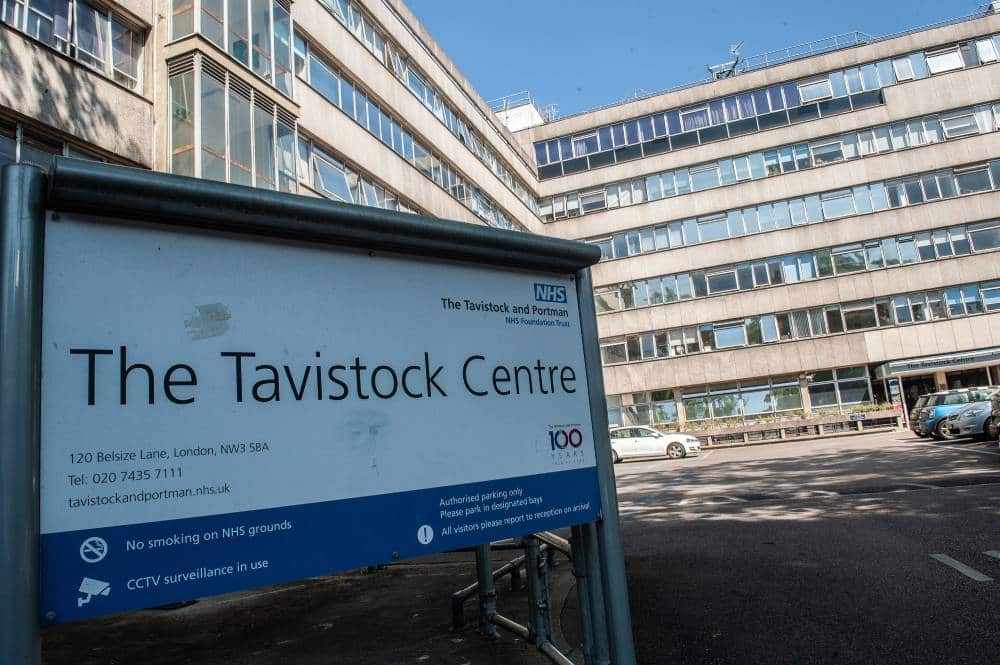
Mr Yaghchi’s interest in trans healthcare stemmed from his time working at Charing Cross Hospital, which worked closely with the first Gender Identity Clinic in London: the Tavistock and Portman.
But it was in 2017 that he introduced wendler glottoplasty, which he calls the “gold standard for voice feminisation”, to the UK through Charing Cross Hospital.
His modification of the wendler glottoplasty technique, which alters the vocal cords to raise the pitch of a patient’s voice, has since become the preferred method for voice feminisation.
‘Minimally invasive’
There is also the voice feminisation method of cricothyroid approximation, which aims to increase vocal pitch by stretching the vocal folds and increasing their tension by replicating the action of the cricothyroid muscle. Yaghchi, however, no longer uses this method.
He described his surgery as “minimally invasive” and went on to use the analogy of a guitar to make it simple to understand.
“To get a higher note from a string instrument, you need to change one of three parameters: either a thinner string, a tighter string or to shorten the part that vibrates”, he explained, adding that that’s “exactly what we do with a glottoplasty; my operation shortens the part that vibrates the vocal cord.”
He is no stranger to listening to concerns from patients and emphasised that, as with every surgery, “results can be variable sometimes”, but added that his operation is “very successful in terms of raising pitch”. Despite this, he admits that many people can “get fantastic outcomes” from voice therapy, which requires no surgery.
No, you can’t completely lose your voice…
But with his surgeries, he explained: “I get around 60 hertz increase, while with cricothyroid approximation on average you get 40.”
He added: “The success rate in a glottoplasty, which is permanent, is over 90 per cent, while with cricothyroid it’s 50 per cent and the result tends to deteriorate with time.”
It’s a misconception that you can lose your voice after the surgery, he said, adding: “You can’t lose your voice completely.”
There are many advancements in the medical field that he is excited about, including the refinement of glottoplasty and a change in the shaving of the Adam’s apple, which in the near future could be performed by him via an oral approach, meaning the surgery would be scarless.
Another improvement in the field is a testosterone injection directly into the vocal cord for voice deepening.
‘Access to healthcare is a human right’
He said of his role in helping people live authentically as themselves: “It’s genuinely a privilege. I make a small contribution to somebody’s life, improving their quality of life.
“It gives me immense pleasure when that person comes in and tells me they can use their new voice with freedom. It fills my heart with happiness.”
“Access to healthcare is a human right”, he asserted before departing the call.
However, the price of Mr Yaghchi’s surgeries range from £5,500 to £7,500, which may put it out of reach as an option for many. Voice surgeries for trans individuals are not included as a core procedures in the NHS trans services protocol.
Share your thoughts! Let us know in the comments below, and remember to keep the conversation respectful.