
Pope Leo XIV affirms opposition to gay marriage as he states family is between ‘a man and a woman’
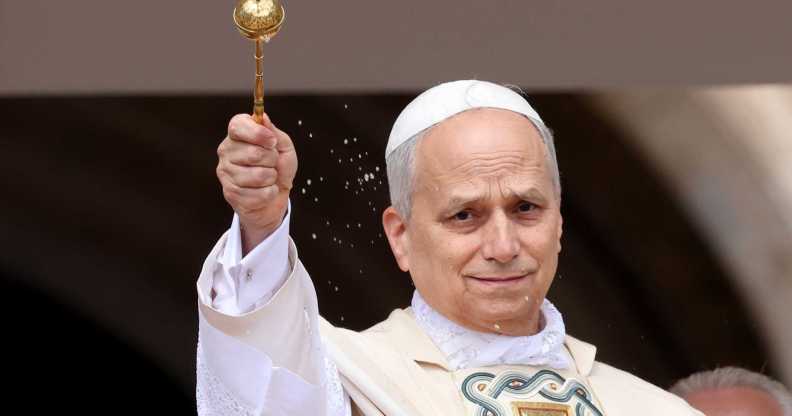
Pope Leo XIV made clear his views on gay marriage. (Franco Origlia/Getty Images)
Pope Leo XIV has affirmed his views on gay marriage and abortion, setting the tone for LGBTQ+ rights at the start of his papacy.
The new head of the Catholic Church – the first American to hold the role – made the comments during his first meeting with the Vatican diplomatic corps on Friday (16 May), which represents 200 countries, ahead of his formal installation Mass that took place on Sunday (18 May).
He said the family is “founded upon the stable union between a man and a woman”, highlighting that his views align with the Catholic Church’s core teachings on gay marriage.
He also said: “No one is exempted from striving to ensure respect for the dignity of every person, especially the most frail and vulnerable, from the unborn to the elderly, from the sick to the unemployed, citizens and immigrants alike.”
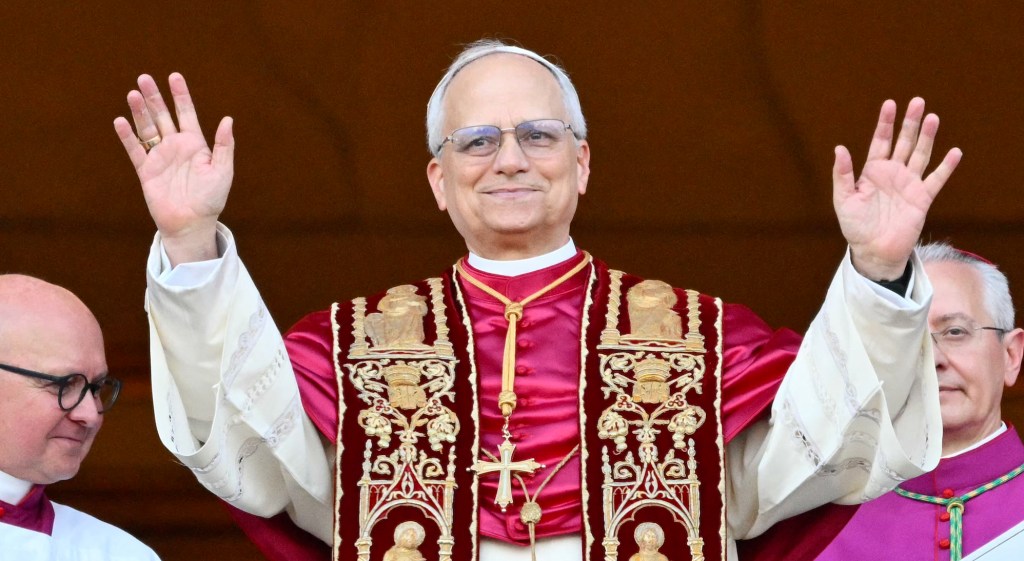
Pope Leo XIV, who is the 267th pontiff, was elected on Thursday (8 May) after a two-day papal conclave following the death of Pope Francis in April at the age of 88.
Whilw Pope Leo XIV has commented on some social issues in the past – including immigration policies of the Trump Administration and expressing sympathy for the death of George Floyd – he has made much less positive statements about the queer community.
In 2012, then-head of the Augustinian order, he was critical of entertainment media that held “sympathy for beliefs and practices that are at odds with the gospel,” including the “homosexual lifestyle” and “alternative families comprised of same-sex partners and their adopted children”.
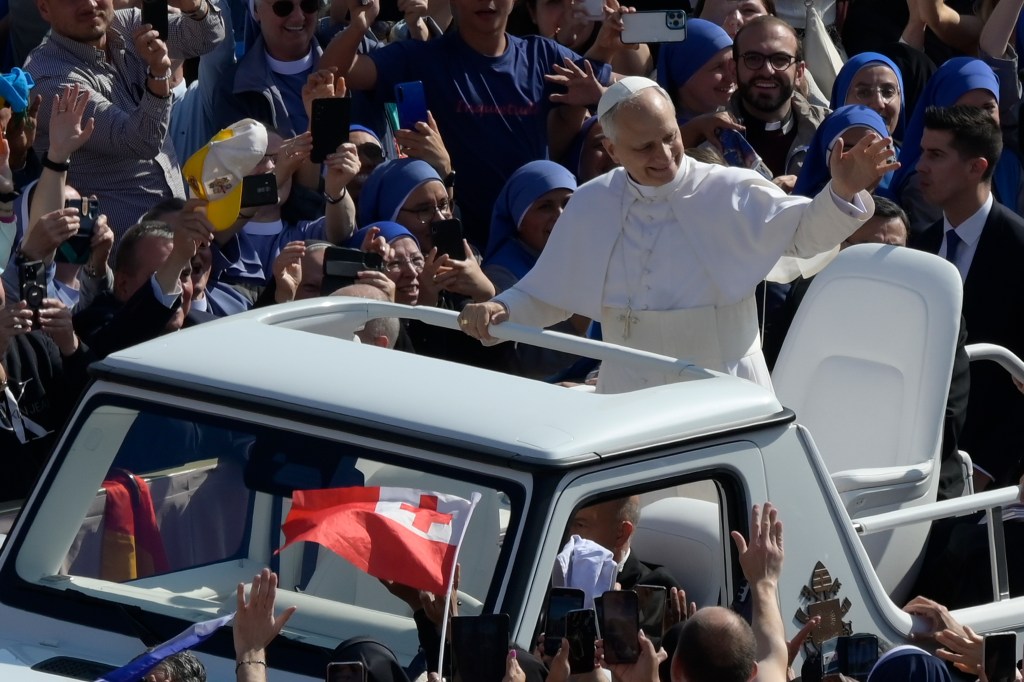
This tone differs to that of Pope Francis, who oversaw a Catholic Church in flux on acceptance of LGBTQ+ people and was responsible for softening the church’s language on queer people compared to his predecessors, such as with his famous “who am I to judge?” statement.
Although, he still left behind a complex legacy on LGBTQ+ rights.
Whilst Pope Francis said being gay as a “human fact”, “not a crime” and labelled the criminalisation of LGBTQ+ people as “wrong”, he said he only supported blessings for individual LGBTQ+ people – but not their unions.
But to bless each person, yes. The blessing is for everyone,” Pope Francis said at the time.
“To bless a homosexual-type union, however, goes against the given right, against the law of the Church. But to bless each person, why not? Some people were scandalised by this. But why?”
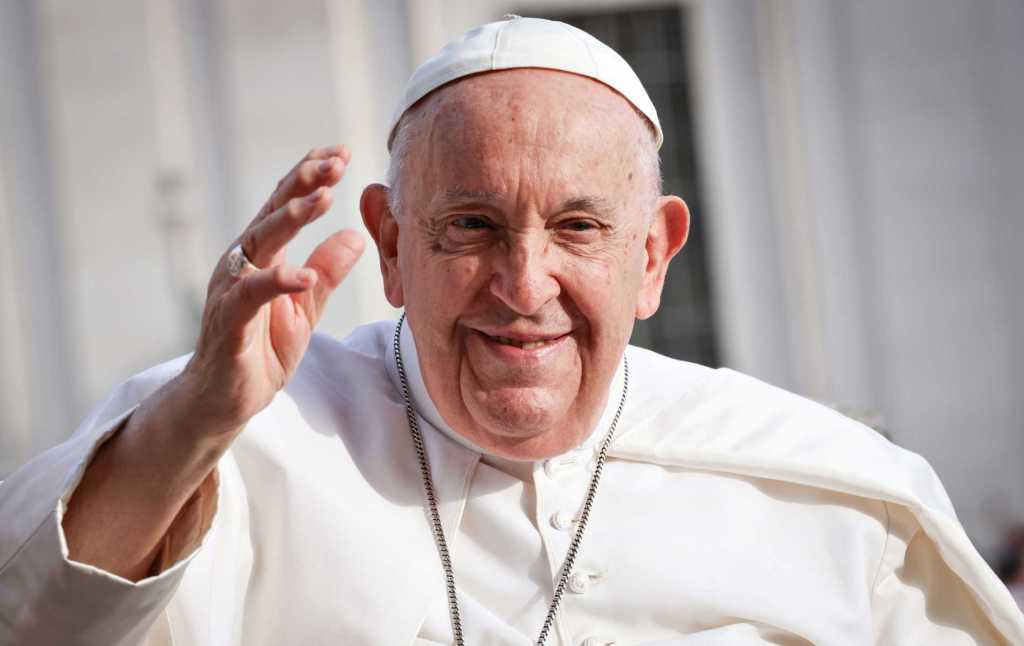
His relationship to the LGBTQ+ community was only made more complex when he hit out at so-called “gender ideology” and faced criticism for allegedly using the term “frociaggine” a number of times during meetings with bishops about allowing gay men to become priests.
The term “frociaggine” is an f-pejorative in the Italian language, which roughly translates to the derogatory term, “f****t”.
Despite Pope Leo XIV’s less than positive comments on the LGBTQ+ community, queer Catholics remain hopeful his “opinions and ideas can change” about LGBTQ+ folks and their place within the church.