
EHRC sued over ‘unlawful’ consultation on single-sex spaces guidance
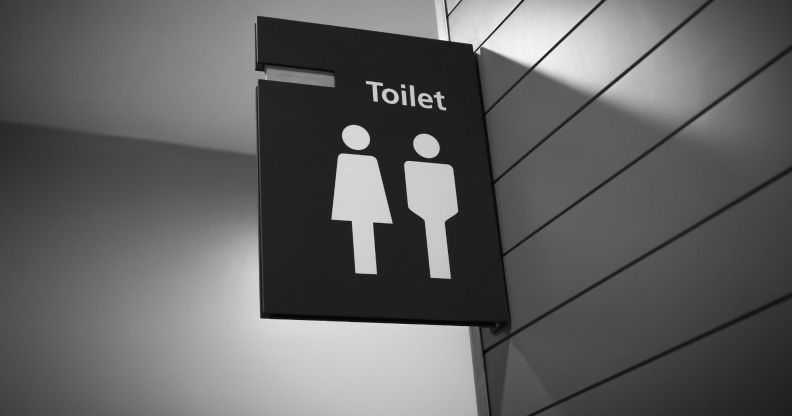
The UK equalities watchdog’s interim guidance on single-sex spaces has been heavily criticised. (Getty)
The UK equalities watchdog's interim guidance on single-sex spaces has been heavily criticised. (Getty)
An independent human rights group has launched legal action against the Equality and Human Rights Commission (EHRC) over the “unlawful” handling of its guidance on trans people.
The National Council for Civil Liberties, also known as Liberty, claimed the EHRC was trying to “speed through” a public consultation on changes to its Code of Practice on single-sex spaces, after giving people just two weeks to respond.
The EHRC has now extending the time frame to six weeks, and a High Court judge will decide whether a hearing on the legal complaint will go ahead, and how quickly to deal with it.
The EHRC, which has been criticised for its transgender policies, launched the consultation in April, following a UK Supreme Court ruling which deemed that the definition of women in the 2010 Equality Act related to “biological women”.
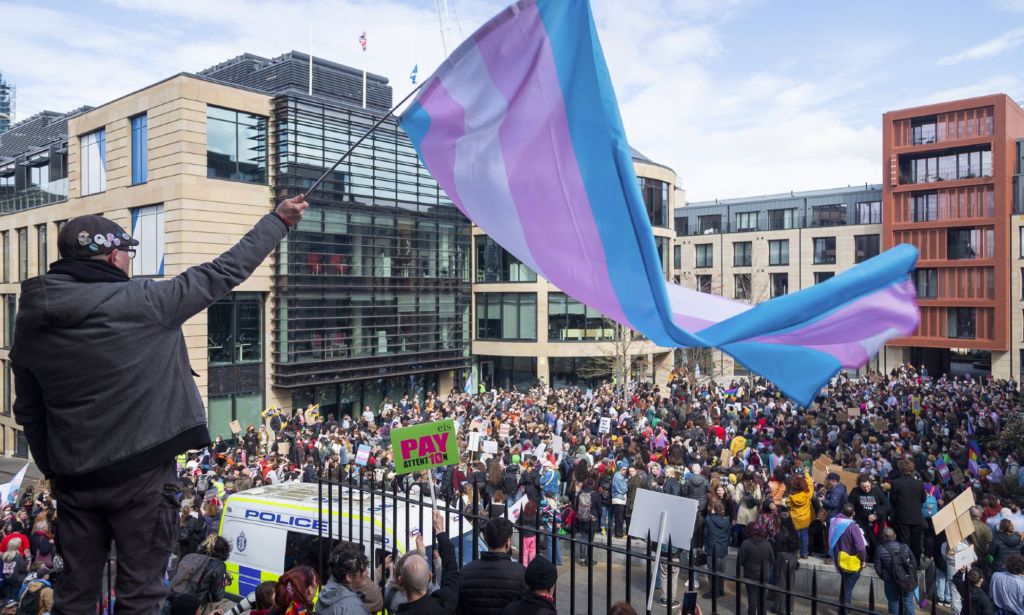
Following the announcement of the court’s verdict, the EHRC issued interim guidance which called for transgender people to be banned from gendered single-sex spaces.
In its legal complaint, Liberty argued that the consultation period on guidance that had “life-changing implications” for transgender men and women was not long enough, calling instead for at least 12 weeks to allow members of the public to have their say.
Liberty director Akiko Hart claimed the EHRC had failed in its “legal duty” to ensure the consultation was “fair and lawful”, adding: “Instead, they have tried to speed through sweeping changes to their guidance, initially giving just two weeks [for] people to respond to nearly 60 pages of amendments when printed out.
“Anything less than a minimum of 12 weeks on this issue is wholly insufficient and simply does not comply with the law.”

The legal challenge argued that the six-week time scale breached the Public Sector Equality Duty, which requires public authorities in the UK to consider the impact of their policies and decisions on people with protected characteristics, such as age, disability, gender reassignment, race, religion, sex and sexual orientation.
Liberty pointed to a similar case brought against the Department of Work and Pensions in January, in which a High Court judge ruled that an eight-week consultation into disability benefits was unlawful, saying it was “essential” to allow a minimum of 12 weeks, which gave “adequate time to consider, take advice upon, and respond to the proposals”.
You can donate to the crowd-funder for Liberty’s legal funds, which has so far raised more £11,600 ($15,700) towards its £15,000 ($20,300) target, here.
Share your thoughts! Let us know in the comments below, and remember to keep the conversation respectful.