‘I came out as non-binary in my 30s – it’s never too late to be yourself’
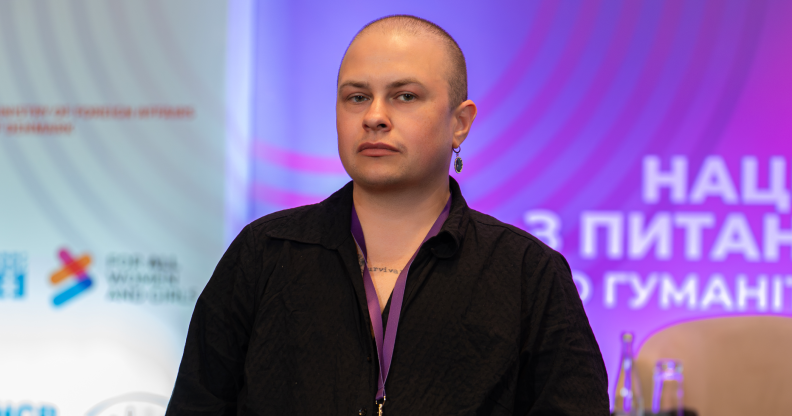
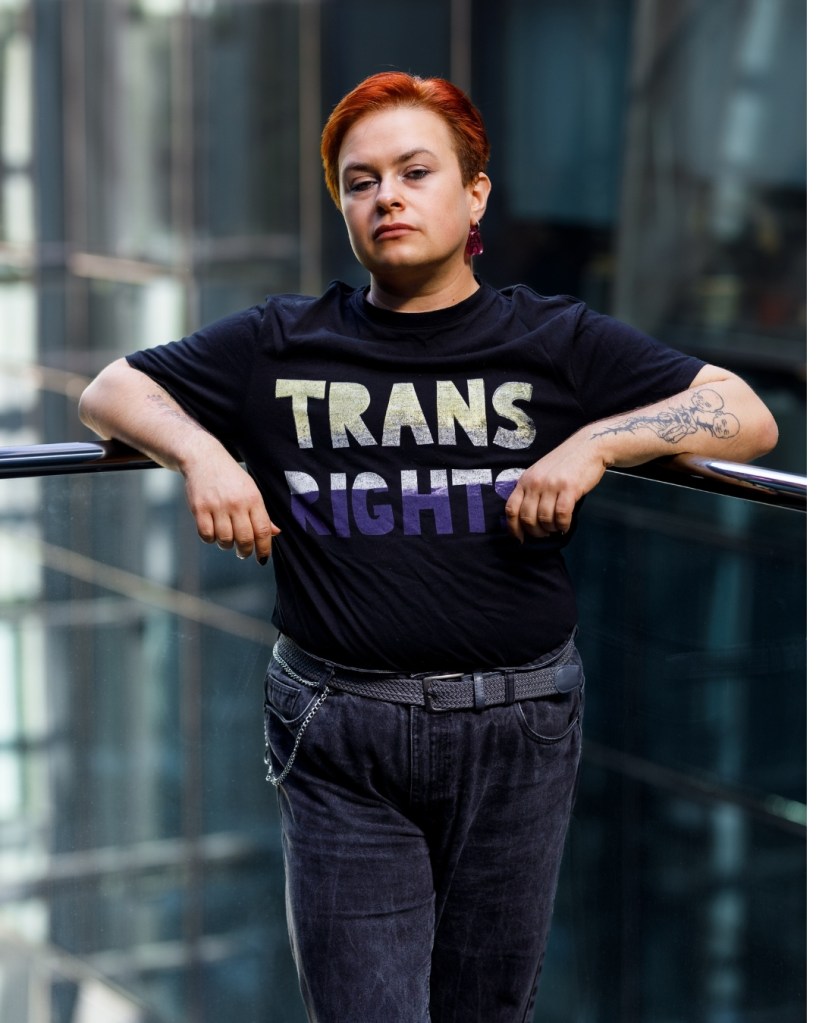
Edward Reese on coming out as non-binary at 33 (Edward Reese)
Trans activist Edward Reese, a gender and sexuality expert at dating app Taimi, reflects on coming out as non-binary in their thirties.
I came out as genderqueer/non-binary at the age of 33, I’m now 40.
My story isn’t unique, I’ve met a number people who found their truth in their 30s, 40s and beyond. If you’re reading this and wondering if it’s “too late”, it’s not.
Even though I’d known since childhood that my gender didn’t match what I was assigned, life had other plans for my time line. From the age of 20, I lived in an abusive relationship where I had no say in my life. All my public statements had to be approved by my abuser. While we explored gender together, only he was allowed to speak about it because he pursued an activist career, and I was merely a resource provider.
Another reason I delayed my coming out was the fear of discrimination in the workplace. Being fired or ridiculed for your identity is never easy, especially when you’re already dealing with abuse at home. This was the early 2000s, and there was little visibility or legal protection for non-binary people. A public coming out often meant you were left to deal with the aftermath alone.
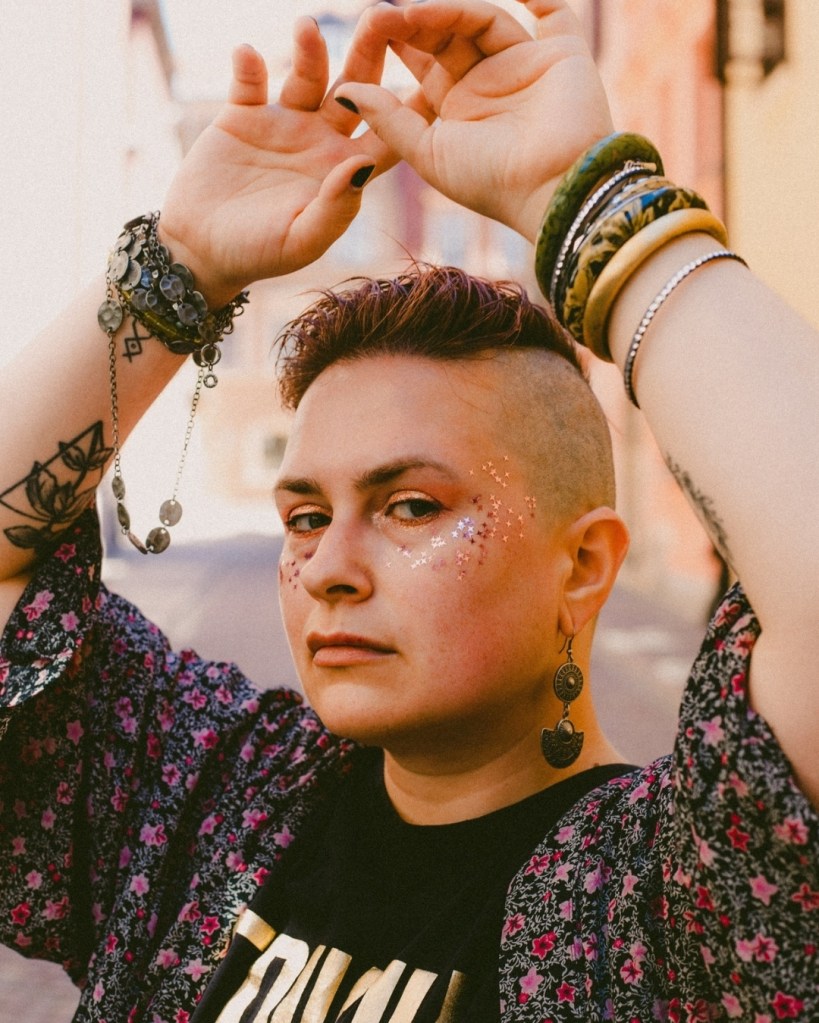
In June 2018, I turned 33 and was done pretending. I came out in a Facebook post. I was exhausted from a life time of performance: the wrong pronouns in meetings, a name that never felt like mine, constantly editing myself in public.
Where I expected judgment, instead my feed was filled with love and encouragement. “We’ve been waiting for you to tell us,” one friend wrote. Another said: “We could see you in there.” I was still hiding from my boss but for the first time, I felt free.
The fear of workplace discrimination is real and valid. You have no obligation to come out to everyone at once. Your safety and financial security matter.
There are many people like me all over the world. Although non-binary identities are often seen as a more-modern concept, we’ve always been here. We just didn’t have the words (or the chance) to describe how we feel.
Coming out as non-binary in adulthood can be daunting. People fear a lack of acceptance and being ridiculed or deemed “immature.” Additionally, many of us go through a long process of self-identification: starting as cisgendered heterosexual, then believing our gender feelings are tied to our sexuality, identifying as trans, and eventually finding a non-binary identity later in life. Some even transition then detransition, realising that the trans journey isn’t for them.
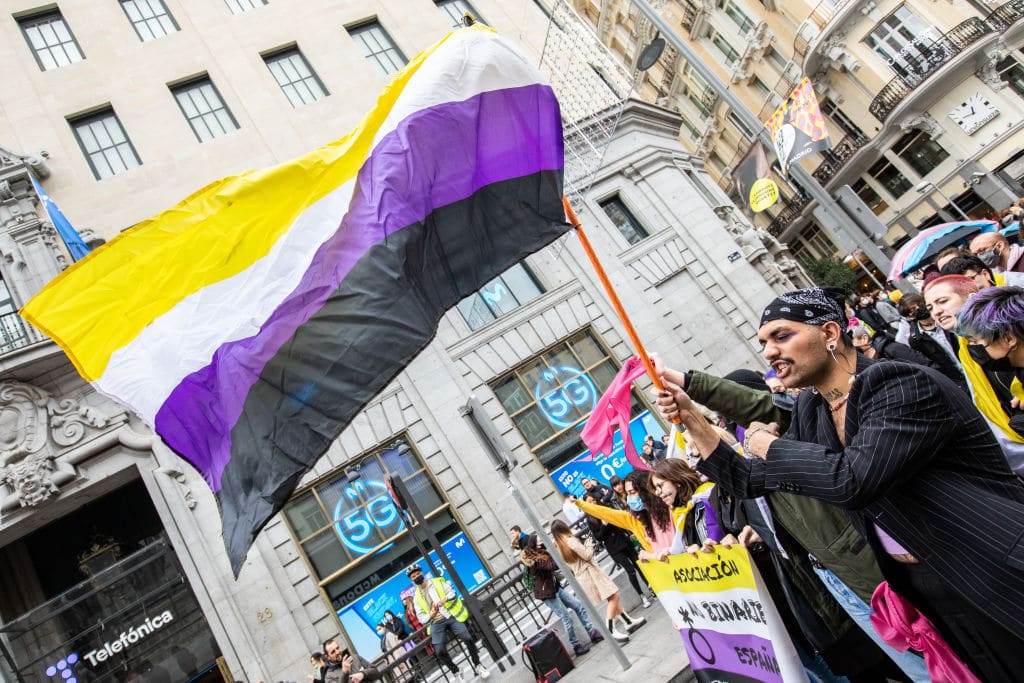
But here’s what I wish someone had told me: coming out later in life isn’t settling for second best. For many of us, it’s exactly when we’re ready.
In our 30s, some of us have the financial freedom and independence that younger non-binary people often don’t. We can also afford a transition if needed, experiment with clothing and appearance, and access therapy. When I came out, I had more resources and autonomy to pursue my true self, something that wasn’t available to me as a youth because of my restrictive, religious parents.
As adults, we also have more-established relationships and friendships. While explaining your identity to long-term partners can be challenging, we have more resources to work through these conversations. Queer-friendly couples’ therapy and gender-theory education are readily available. If relationships become difficult, LGBTQ+ dating apps can help connect us to new people.
All these fears are normal but living authentically is worth the risk. Some relationships don’t survive the change and that’s painful but not your fault. Others become stronger than ever. Either way, you deserve to be loved for who you truly are.
Yes, it can be sad to realise that you might never have the Heartstopper-like life story. Teenage coming outs are special and it’s OK to grieve the non-binary youth we never got to be. But we can still build our chosen families, attend Pride parades and have a blast at parties.
When I came out, I realised I wasn’t alone, and gathered a group of queer millennials just like me. We’re all living out the experiences we missed while in the closet. The 33-year-old person who finally speaks their truth is no less brave than the 16-year-old one who does the same.
We all deserve happiness and acceptance, regardless of when we arrive at ourselves. The best gift we can give one another is patience. You never know what someone had to overcome to get where they are.
Share your thoughts! Let us know in the comments below, and remember to keep the conversation respectful.