
Good Law Project confirms case against EHRC’s trans guidance will be heard in full in November
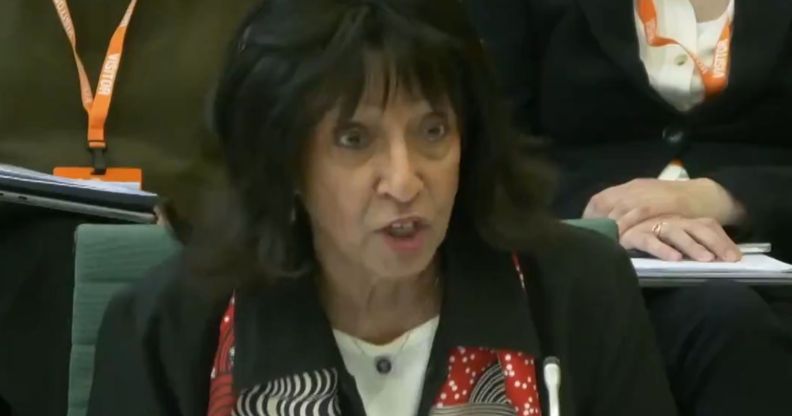
Kishwer Falkner said the EHRC guidance could be statutory in seven or eight months. (UK Parliament/Screenshot)
A legal challenge against the UK equalities watchdog’s controversial trans guidance is set to officially commence in November.
A High Court has reportedly set a date to consider a lawsuit brought against the Equality and Human Rights Commission (EHRC) over its proposed guidance on trans people’s right to access public spaces, described as a “bigot’s charter” by Green party co-leader Carla Denyer in May.
The human rights regulator proposed updates to its guidance for single-sex service providers shortly following the FWS v Scottish Ministers Supreme Court judgement.
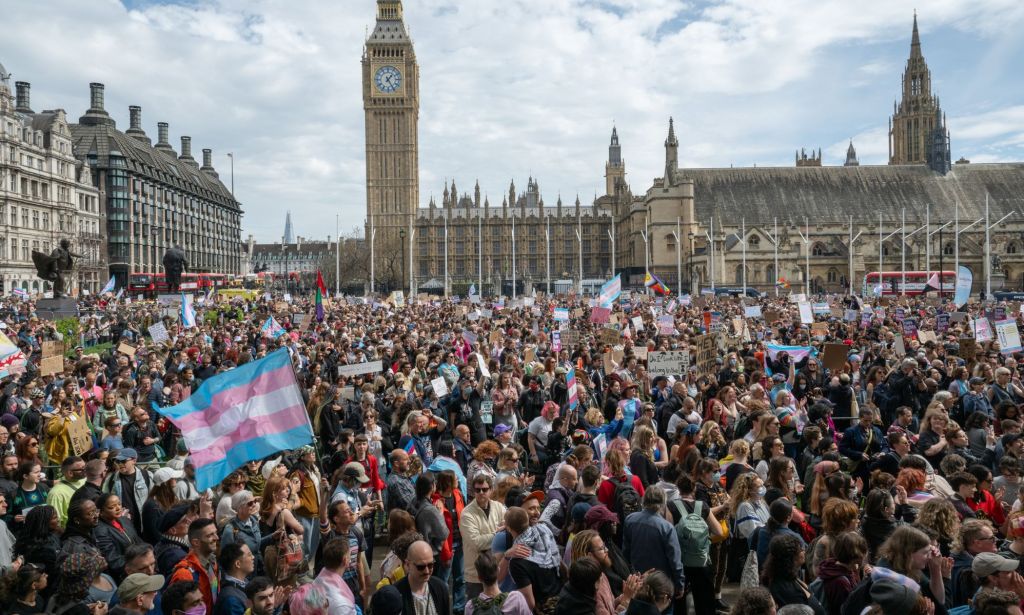
Published in April, the ruling argued that the 2010 Equality Act’s definition of sex related to “biological sex” and its definition of women related to “biological women” only, language that excludes trans women.
In his ruling opinion, judge Lord Patrick Hodge said the judgement was not a “triumph of one or more groups in our society at the expense of another.”
In response, the EHRC launched a consultation on proposed changes to its code of practice on services, public functions, and associations, including new clauses that would force trans people to take ID with them into “single-sex” changing rooms and toilets.
The regulator also published interim guidance, which recommends that trans people be barred from spaces exclusive to their gender identity and, in some cases, their birth sex too.
EHRC to face legal challenge from Good Law Project
Good Law Project, a nonprofit and legal organisation, challenged the EHRC’s consultation in May, arguing it has spread “confusion and fear” among the trans community.
On Wednesday (30 July), the High Court scheduled a two-day hearing to consider the case fully in November 2025.
Jess O’Thomson, Good Law Project’s community outreach lead, urged services and businesses to “hold fire” before making policy changes in line with the EHRC’s “rushed” interim guidance, “or find themselves in hot water.”
“The EHRC’s guidance could be leading people into legal error,” they said. “A narrative has been spun about the ‘clarity’ brought by the Supreme Court judgement, but the legal situation is actually very complex.”
Several organisations and institutions have already begun implementing policy changes in line with the EHRC’s guidance, despite it not yet being law.
EHRC chair, Kishwer Falkner, said during a parliamentary committee in June that the guidance, which has not yet been finalised, could become law within months.
‘Trans people still have human rights in this country’
Jess O’Thomson added that some people had taken the guidance as a “green light” to “strip away trans rights,” but clarified that the law had not changed.
“That’s just not how the law works. Businesses are taking a big risk by rushing ahead without the full picture,” they continued. “Trans people still have human rights protections in this country, and at Good Law Project, we plan to defend them.”
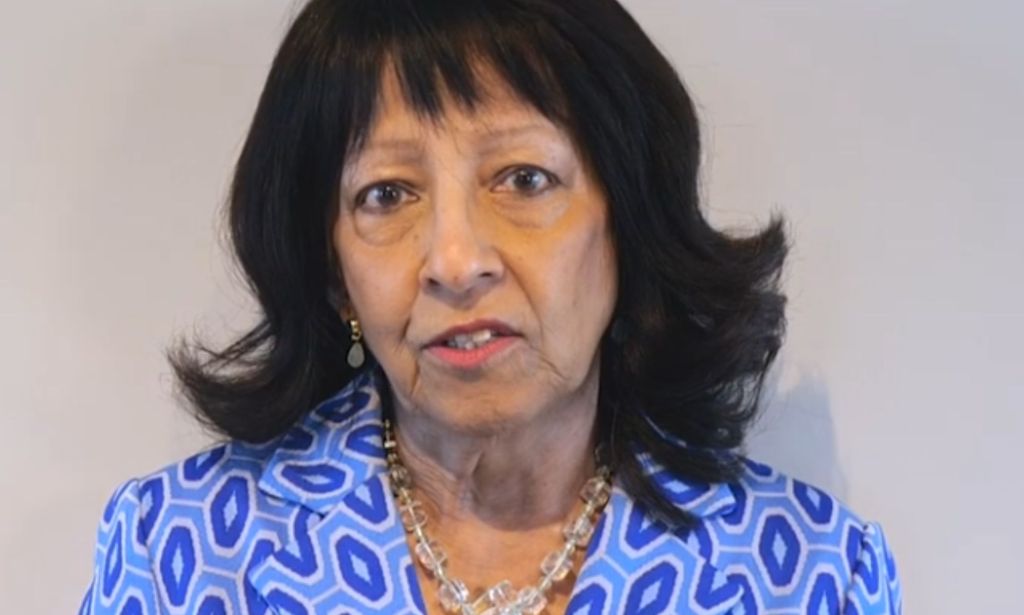
The organisation says it plans to argue that the EHRC has misinterpreted the Supreme Court ruling and was wrong to recommend only providing facilities based on “biological sex.”
In May, former Supreme Court president and the institution’s first female judge, Baroness Brenda Hale of Richmond, said the ruling had been misconstrued.
Speaking during a literary festival in East Sussex, the 80-year-old said she was told by doctors that there is “no such thing as biological sex” and professed that the ruling said “nothing about that.”
“There’s nothing in this judgement that says you can’t have gender neutral loos, as we have here in this festival, despite the fact that there are people saying you can’t do that.”